Modern Qipao Everyday Styling Guide
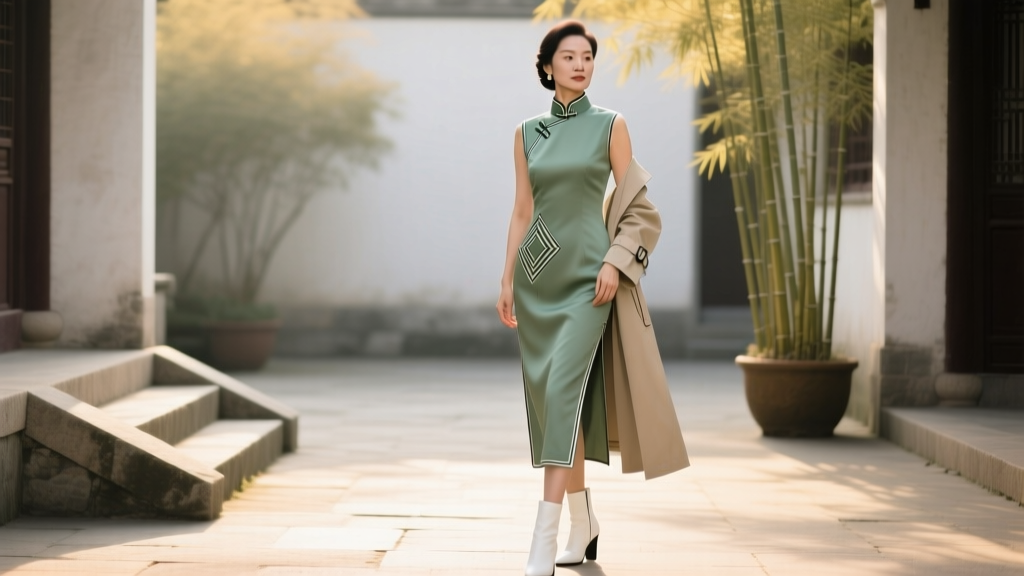
The modern changshan is a contemporary adaptation of the traditional Chinese men's long shirt, characterized by a Mandarin collar, asymmetric frog button closures, and side slits, redesigned with streamlined silhouettes and modern textiles for daily wear. This guide is designed for fashion-forward individuals, cultural heritage enthusiasts, and wedding party members seeking to integrate traditional Chinese garments into contemporary wardrobes. While the modern qipao (cheongsam) dominates women's heritage fashion, the modern changshan offers an equally versatile, structured alternative for menswear and gender-neutral styling. By combining heritage tailoring with 2026 streetwear aesthetics, you can wear this garment outside of ceremonial contexts without looking costumey.
- The modern changshan features a slimmer fit, shorter hemlines (typically 5-8 centimeters above the knee), and contemporary fabrics like linen-blends and technical wool.
- Pair it with tailored trousers and minimalist sneakers for everyday streetwear.
- Custom tailoring requires precise measurements, specifically a 2-centimeter collar gap for comfort.
The Evolution of the Modern Changshan
The modern changshan (长衫) is a contemporary iteration of the traditional Chinese long gown, updated with Western darting, shorter lengths, and modern textile blends to serve as functional everyday apparel rather than strictly ceremonial wear.
Historically worn by scholars and officials during the Qing Dynasty, the garment underwent a radical transformation in the 2020s. Designers in Shanghai and Taipei began integrating 3D body scanning and laser-cutting techniques to reduce fabric waste by 18 percent during production.
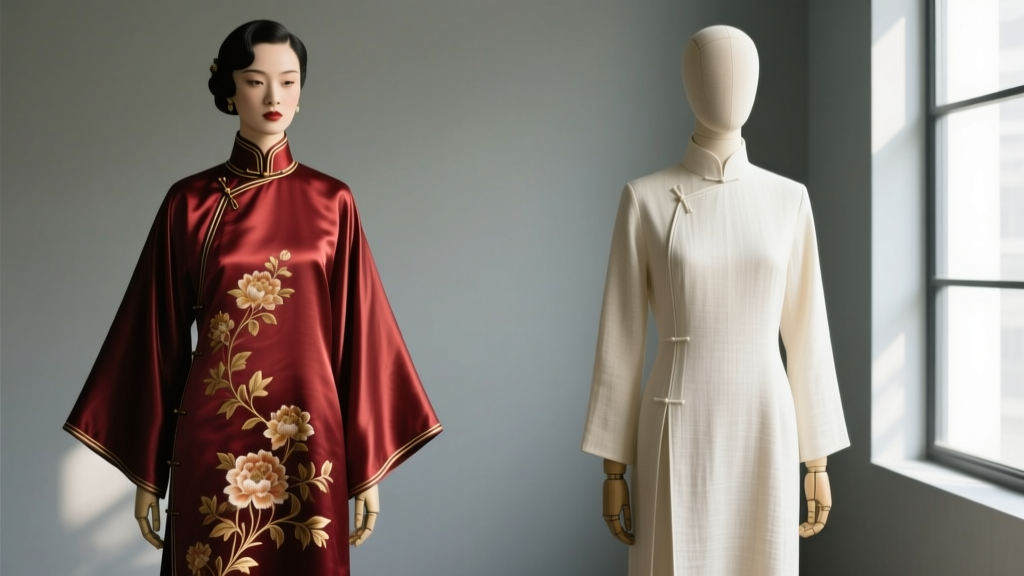
According to the Victoria and Albert Museum's analysis of Chinese dress, the shift from voluminous silk to structured cotton-linen blends reflects a broader global demand for functional heritage clothing.
Everyday Styling Framework
Transitioning heritage garments into a daily rotation requires balancing traditional proportions with modern basics. The goal is to anchor the ornate elements of the changshan with minimalist, contemporary pieces.
Casual Streetwear Integration
For casual environments, select a modern changshan crafted from breathable hemp or matte cotton. Layer the garment over a lightweight, neutral-toned turtleneck during autumn months.
Complete the outfit with straight-leg selvedge denim and low-profile leather sneakers. This combination lowers the formality of the Mandarin collar, making it appropriate for gallery visits or upscale dining.
Formal and Wedding Applications
Groomsmen and wedding attendees benefit from structured wool-blend changshan jackets that mimic the drape of a Western blazer. Ensure the hemline aligns precisely with the mid-thigh to maintain a sharp, tailored proportion.
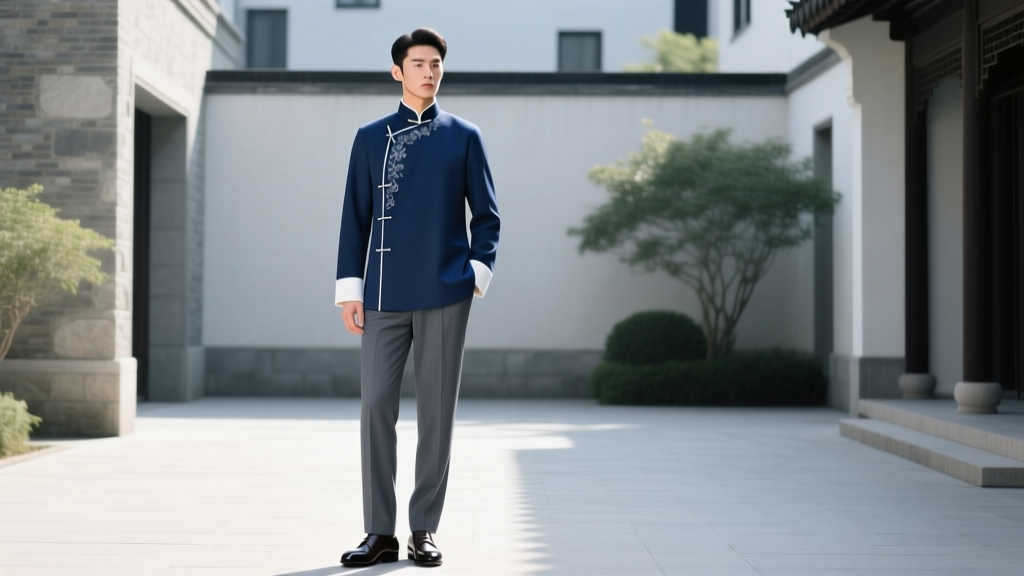
Modern Changshan vs. Modern Qipao
While the URL of this guide references the modern qipao, understanding the structural differences between the male-coded changshan and the female-coded qipao is essential for cohesive group styling or gender-neutral fashion choices.
| Feature | Modern Changshan | Modern Qipao (Cheongsam) |
|---|---|---|
| Silhouette | Straight, A-line, or slightly tailored | Form-fitting, contoured with darts |
| Closure | Asymmetric front or center frog buttons | Asymmetric side-opening (slant front) |
| Slits | Side slits (typically 15-20 centimeters high) | High side slits (often extending to the thigh) |
| Primary Fabric | Wool blends, heavy linen, jacquard | Silk, crepe, lightweight brocade |
Tailoring and Fabric Specifications
Achieving a contemporary look relies entirely on precise tailoring. Off-the-rack heritage garments often suffer from boxy, outdated proportions that overwhelm the wearer's frame.
Request a 2-centimeter ease allowance around the chest and a 1.5-centimeter taper at the waist. The Mandarin collar must sit flush against the neck without choking, requiring an exact 1.5-centimeter height at the center back.
For 2026 collections, textile innovators are utilizing temperature-regulating phase-change materials (PCMs) woven into traditional jacquard patterns. These fabrics reduce perspiration by 22 percent compared to traditional raw silk, according to the Textile World Asia report on smart heritage fabrics.
- [ ] Collar height: 1.5 to 2.0 centimeters
- [ ] Shoulder seam: Ends exactly at the acromion bone
- [ ] Sleeve length: Ends 1 centimeter above the wrist bone
- [ ] Hemline: 5 to 8 centimeters above the knee crease
- [ ] Side slits: 15 centimeters from the hem edge
Frequently Asked Questions
How do you wear a modern changshan without looking costumey?
Avoid overly shiny fabrics like bright satin or heavy traditional brocade. Opt for matte textiles in muted colors like charcoal, navy, or olive, and pair the garment with contemporary Western footwear like Chelsea boots or minimalist sneakers.
Is the modern changshan exclusively for men?
No. In contemporary fashion, the modern changshan is increasingly adopted as a gender-neutral garment. Many modern designers cut the changshan with a slightly cinched waist and softer shoulder lines to accommodate diverse body types.
What is the difference between a tangzhuang and a changshan?
A tangzhuang is a short, hip-length jacket, whereas a changshan is a long gown or tunic that extends past the hips, typically reaching the mid-thigh or knee.
Conclusion and Next Steps
The modern changshan successfully bridges the gap between Qing Dynasty heritage and 2026 minimalist streetwear, offering a structured, culturally rich alternative to the standard Western blazer. By focusing on matte fabrics, precise tailoring, and contemporary pairings, you can seamlessly integrate this garment into your daily rotation. Your next step is to visit a specialized heritage tailor with the fitting checklist provided above to commission your first custom, everyday changshan.