Where the Modern Hanfu Woman Shops: 2026 Buying Guide
The Evolution of the Hanfu Woman's Wardrobe
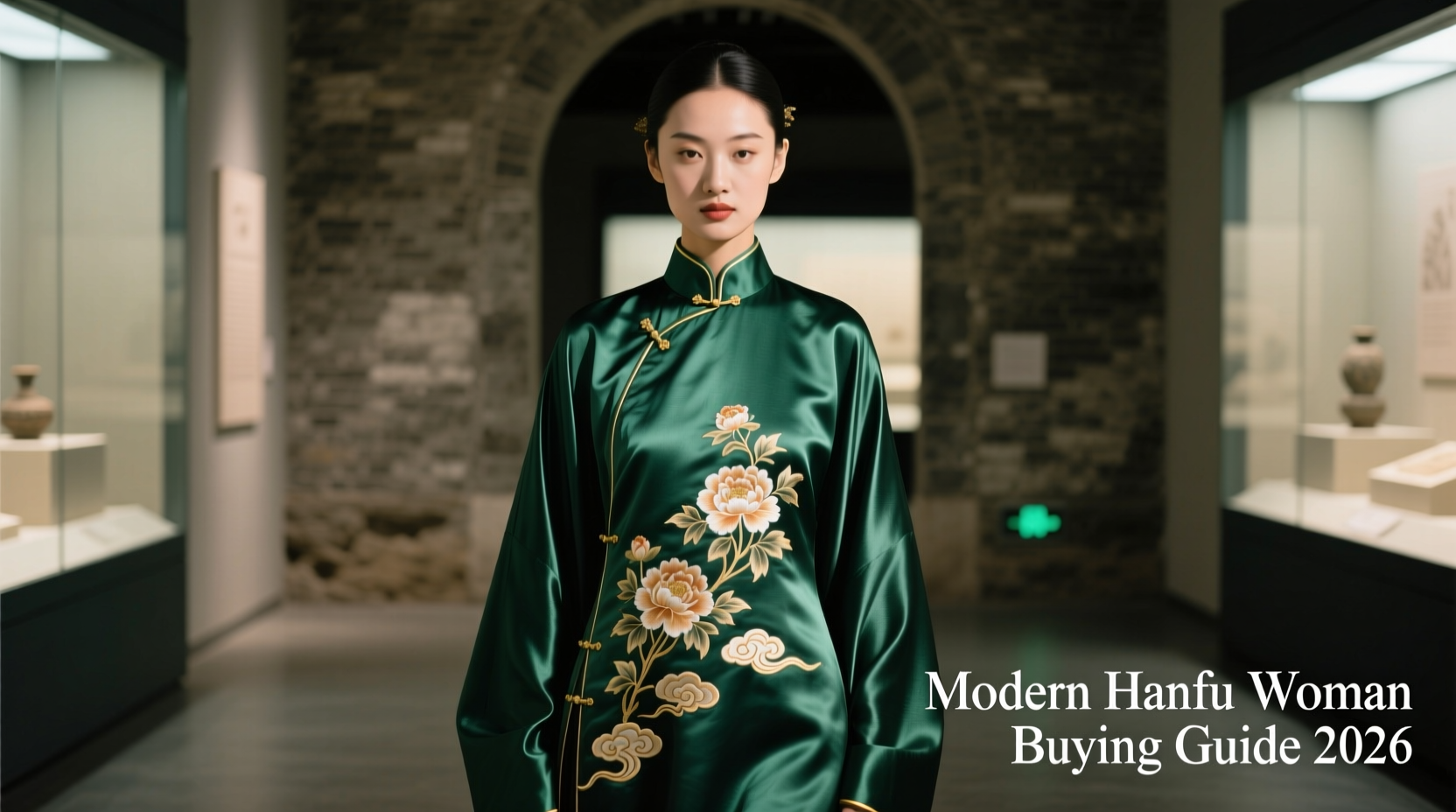
The global resurgence of traditional Han Chinese clothing—known as Hanfu (汉服)—has transformed from a niche historical interest into a vibrant, living sartorial movement. For the modern hanfu woman, building an authentic wardrobe is no longer about sourcing theatrical costumes; it is about reclaiming the sophisticated tailoring, textile mastery, and philosophical elegance of the Huaxia civilization. As we navigate the 2026 market, the availability of museum-grade reproductions and high-quality daily wear has never been greater, provided you know where to look and what to look for.
Unlike Western historical dress, which relies on darts, corsetry, and structured seams to mold the body, traditional Hanfu utilizes a flat-pattern cutting system. This creates a fluid, drape-heavy silhouette that prioritizes the natural movement of the fabric and the modesty of the wearer. According to the Metropolitan Museum of Art's Asian Art Department, the structural integrity of historical Chinese garments lies in their woven geometry and the intricate use of ties rather than buttons.
Decoding the Silhouettes: Ruqun, Aoqun, and Beizi
Before adding items to your cart, it is crucial to understand the primary silhouettes that define a historically accurate Hanfu wardrobe. The market is flooded with 'fantasy' garments; a discerning buyer must recognize the markers of dynasty-specific authenticity.
Tang Dynasty: Qixiong Ruqun (齐胸襦裙)
Characterized by a chest-high skirt tied securely above the bust, paired with a short, narrow-sleeved jacket (shan) and a draped shawl (pibo). This silhouette is romantic and voluminous, ideal for summer festivals. Authentic versions feature high-density pleating and silk-satin tie ribbons.
Song Dynasty: Beizi (褙子) and Baizhe Skirts
The Song aesthetic favors minimalism, slender lines, and intellectual elegance. The Beizi is a parallel-collar, long-sleeved jacket that falls to the knees or calves, worn open over a slender, pleated skirt (baizhequn). This is the preferred silhouette for modern professionals seeking subtle, everyday Hanfu that integrates seamlessly into contemporary urban environments.
Ming Dynasty: Aoqun (袄裙) and the Mamianqun
The undisputed queen of the modern Hanfu wardrobe is the Ming dynasty Mamianqun (马面裙), or 'horse-face skirt.' Constructed from two overlapping panels of fabric with deep, structured pleats on the sides and flat, unpleated front and back panels, it allows for exceptional mobility. Paired with an Ao (a lined, cross-collar or standing-collar jacket), this silhouette provides warmth, structure, and unparalleled majesty.
| Dynasty / Style | Key Components | Best Fabric Choices | Ideal Occasion |
|---|---|---|---|
| Tang (Qixiong Ruqun) | Chest-high skirt, short jacket, shawl | Lightweight silk chiffon, damask | Summer festivals, photography, weddings |
| Song (Beizi) | Parallel-collar long jacket, pleated skirt | Crepe, raw silk, linen blends | Tea ceremonies, office wear, daily casual |
| Ming (Aoqun) | Lined jacket, Mamianqun (horse-face skirt) | Silk jacquard, Xiangyunsha, brocade | Winter events, formal gatherings, New Year |
Fabric & Textile Mastery: What to Look For
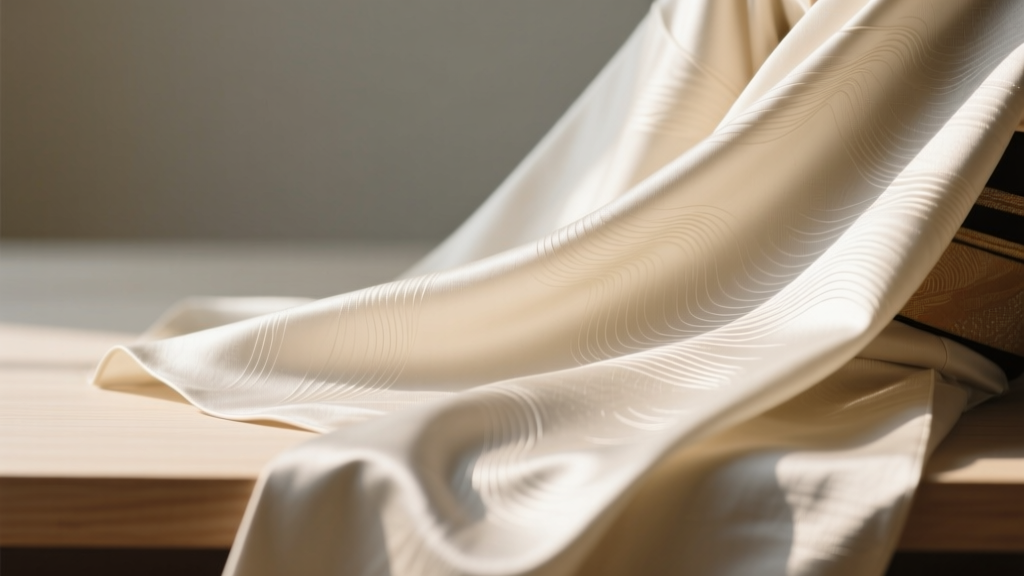
The Victoria and Albert Museum's Asian textile archives frequently highlight the supremacy of Chinese silk weaving techniques. When shopping for premium Hanfu, the fabric composition dictates both the price and the historical accuracy.
- Xiangyunsha (香云纱): Known as 'Canton Gauze' or 'mud-silk,' this is a rare, eco-friendly textile dyed with薯莨 (shoulang) yam juice and coated in iron-rich river mud. It is water-resistant, breathable, and possesses a distinct, papery rustle. Expect to pay a premium for authentic Xiangyunsha Mamianqun.
- Song Brocade (宋锦): A complex, multi-colored woven silk featuring geometric and floral motifs. Often used for the collars, cuffs, and front panels of Ming dynasty jackets to provide structural contrast.
- Ramie and Linen Blends: Historically used by commoners and scholars for summer wear. Modern high-quality Hanfu brands use refined ramie for Beizi jackets, offering excellent temperature regulation.
'To wear Xiangyunsha is to wear the earth and the river. It is a textile that ages with the wearer, softening and developing a patina that reflects the passage of time and the warmth of the human body.' — Textile Conservation Notes, Palace Museum Digital Archives.
The 2026 Buyer’s Matrix: Price Tiers & Where to Shop
The Hanfu market is vast, primarily centered on Chinese e-commerce platforms, though international accessibility has improved dramatically. Here is a breakdown of where the modern hanfu woman shops, categorized by budget and quality.
Tier 1: Entry-Level & Everyday Wear ($45 - $90 USD)
Best for: Beginners, daily commuting, and travel.
Fabrics: High-quality polyester blends, cotton-linen, machine embroidery.
Where to Shop:
- Shisanyu (十三余): The most accessible gateway brand. Known for whimsical, Tang and Song-inspired designs with modern color palettes. They have an official international storefront and frequently collaborate with global pop-culture franchises.
- HanfuGlobal / Newhanfu: Excellent English-language aggregator sites that curate entry-to-mid-level sets from various Taobao vendors, handling the proxy shipping and customer service for Western buyers.
Tier 2: Enthusiast & Festival Ready ($120 - $350 USD)
Best for: Dedicated enthusiasts, cultural festivals, and formal dinners.
Fabrics: Real silk blends, silk jacquard, hand-finished embroidery, genuine metal hardware.
Where to Shop:
- Tingyue (听月小筑): Renowned for exquisite Song and Ming dynasty reproductions. Their use of color-blocking and subtle jacquard weaves is unparalleled in the mid-tier market.
- Zhongling (钟灵记): Famous for heavily embroidered Ming dynasty Aoqun sets. Their cloud shoulders (piling) and standing-collar jackets feature dense, raised embroidery that mimics historical court garments.
- Taobao Proxy Agents: To access these brands directly, savvy buyers use proxy services like Superbuy or CSSBuy, searching the native Chinese brand names on Taobao to avoid international markups.
Tier 3: Museum-Grade & Bespoke Artisans ($400 - $1,500+ USD)
Best for: Collectors, brides, and historical purists.
Fabrics: Authentic Xiangyunsha, pure mulberry silk, real gold-leaf weaving (zhi jin), hand-beaded pearls.
Where to Shop:
- Minghuatang (明华堂): The gold standard of Ming dynasty replication. Minghuatang does not merely design; they research extant garments from tombs and imperial archives to recreate the exact weave structures, loom widths, and tailoring methods of the 15th century. Purchasing from them requires joining a waitlist, and a single Mamianqun can easily exceed $800 USD.
- Custom Artisans on Xiaohongshu (RED): Many independent weavers and tailors take bespoke commissions via the Xiaohongshu app, allowing buyers to select specific historical weave patterns and have garments tailored to their exact flat-pattern measurements.
Sizing, Fit, and the Cross-Collar Protocol
Buying Hanfu requires a paradigm shift in how you think about sizing. Because traditional garments lack darts and zippers, they are inherently forgiving. Sizing is generally based on height, weight, and bust/waist circumference, but the fit is adjusted via the tie-ribbons.
The Golden Rule: Jiaoling Youren (交领右衽)
If you purchase a cross-collar jacket or robe, you must understand the most critical protocol in Han Chinese dress: Left over Right. The left lapel must always cross over the right lapel, forming a 'y' shape at the collar. This is known as Youren (right lapel).
Cultural Warning: Wrapping the right lapel over the left (Zuoren) is strictly reserved for dressing the deceased for burial or for specific mourning rites. Wearing a garment right-over-left in daily life is considered highly inauspicious and deeply disrespectful to the culture. Always double-check your collar before stepping out.
Skirt Length and Proportions
When ordering a Mamianqun, brands usually offer lengths in centimeters (e.g., 95cm, 100cm, 105cm). The traditional protocol dictates that the skirt should rest just above the ankle bone, allowing the embroidered hem to be visible without dragging on the ground. Measure from your natural waist (or where you intend to tie the skirt) down to your ankle bone to select the correct length.
Caring for Historical Textiles
Investing in authentic silk Hanfu requires proper maintenance. Never machine-wash Xiangyunsha or Song Brocade. Xiangyunsha, in particular, should only be spot-cleaned or gently hand-washed in cool water with a pH-neutral silk detergent. The iron-rich mud coating can be damaged by harsh chemicals and high heat. Always store your Hanfu flat or rolled in breathable cotton garment bags; hanging heavy, pleated Mamianqun for long periods can cause the silk fibers to stretch and the pleats to lose their structural integrity.
Final Thoughts on the 2026 Market
The modern hanfu woman is a curator of history, blending ancient aesthetics with contemporary life. Whether you are investing in a Minghuatang masterpiece or ordering a breathable linen Song dynasty Beizi for your morning commute, the key to a fulfilling wardrobe lies in respecting the tailoring, understanding the textiles, and supporting the artisans who keep this magnificent heritage alive.