The Modern Hanfu Dress for Women: 2026 Styling Guide

Beyond the 'Hanfu Dress': Understanding the Sartorial System
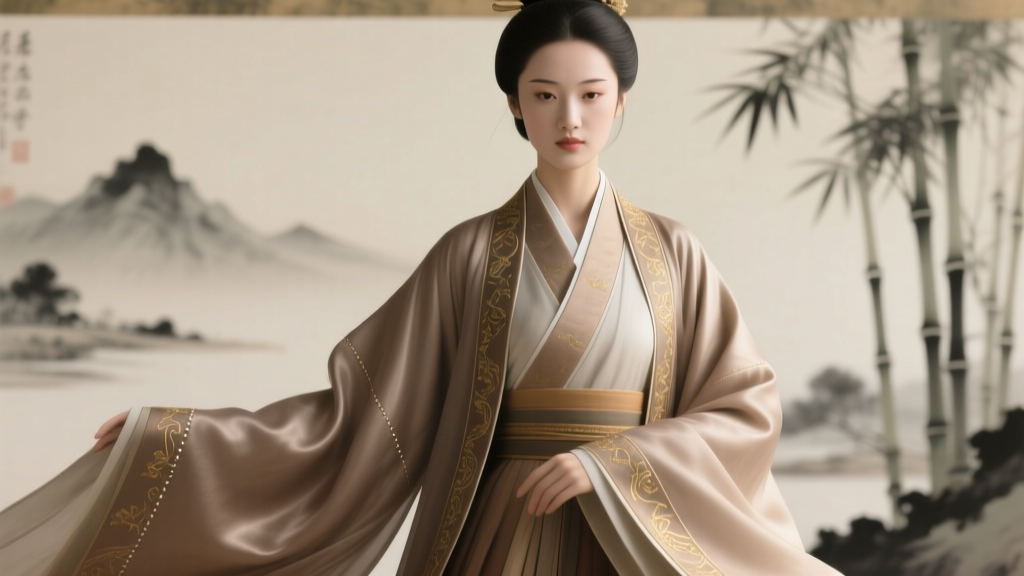
When western audiences search for a hanfu dress for women, they are often envisioning a single, unified gown. However, traditional Han Chinese clothing (汉服, Hànfú) is rarely a one-piece dress. Instead, it is a sophisticated sartorial system comprising upper garments (Yi) and lower skirts or trousers (Shang), or deeply integrated one-piece robes (Shenyi). The modern Hanfu revival movement (Hanfu Yundong) has transformed these historical garments from museum relics into a living, breathing wardrobe for contemporary women.
Styling Hanfu in 2026 is less about theatrical historical reenactment and more about integrating千年的 (millennia-old) aesthetics into modern daily life. Whether you are attending a traditional tea ceremony, navigating a corporate office, or walking through a modern cityscape, understanding the architecture of Hanfu is the first step to mastering its modern wear.
The Golden Rule of Hanfu Anatomy: Jiaoling Youren
Before exploring specific styles, every wearer must understand the most critical structural and cultural rule of Hanfu: Jiaoling Youren (交领右衽). This translates to 'crossed collar, right lapel.' The left side of the collar must always cross over the right side, forming a 'y' shape at the neckline. According to historical texts and textile conservation records at the China National Silk Museum, the right-over-left lapel was a defining marker of Han civilization, distinguishing the living from the deceased (who were dressed left-over-right) and neighboring nomadic tribes. Violating this rule in modern wear is considered a significant cultural faux pas.
Dynasty-Specific Silhouettes for the Modern Wardrobe
The term 'Hanfu' spans over three millennia, but the contemporary market is dominated by three distinct historical aesthetics. Each offers a unique silhouette that translates differently to modern styling.
| Dynasty | Key Garment | Silhouette & Vibe | Best Modern Occasion | 2026 Styling Tip |
|---|---|---|---|---|
| Tang (618–907) | Qixiong Ruqun (Chest-high Skirt) | Romantic, voluminous, high-waisted | Summer festivals, resort wear, photography | Pair the skirt with a modern fitted turtleneck or off-shoulder knit top for a fusion look. |
| Song (960–1279) | Beizi (Long Outer Coat) & Baiqie Skirt | Slender, minimalist, layered, elegant | Office wear, gallery openings, tea ceremonies | Wear an unbuttoned Beizi over a modern silk camisole and tailored trousers. |
| Ming (1368–1644) | Aoqun (Lined Jacket) & Mamianqun | Structured, A-line, architectural pleats | Winter events, formal dinners, weddings | The Mamianqun (horse-face skirt) pairs flawlessly with a modern cropped blazer and leather boots. |
The Ming Dynasty Mamianqun: A Modern Wardrobe Staple
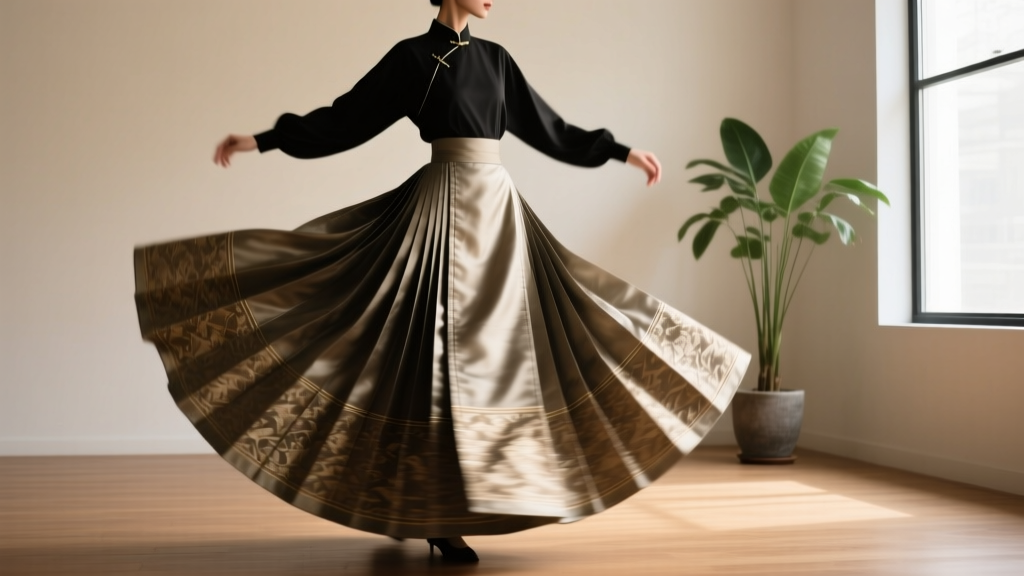
If there is one garment that bridges the gap between historical accuracy and high fashion in 2026, it is the Mamianqun (马面裙), or 'horse-face skirt.' Characterized by its flat front and back panels with deeply pleated sides, this Ming Dynasty skirt has become a staple in the modern 'Han Yuansu' (Hanfu elements) wardrobe. Luxury fashion houses and independent artisans alike are producing Mamianqun in wool blends and heavy silks, allowing them to be worn with crisp white button-downs or cashmere sweaters in autumn and winter.
Fabric Economics: Pricing Your Hanfu Wardrobe
Investing in Hanfu requires navigating a vast market. Prices vary wildly based on fabric composition, weaving techniques, and embroidery methods. Here is a practical buying framework for the modern consumer.
1. Entry-Level & Daily Wear ($30 – $80 USD / 200 – 550 RMB)
At this tier, garments are typically made from polyester chiffon, cotton-linen blends, or artificial silk. While they lack the drape of natural fibers, they are machine-washable and durable, making them ideal for travel, casual outings, and beginners building their first wardrobe.
2. Mid-Tier & Festival Wear ($80 – $250 USD / 550 – 1,800 RMB)
This category features genuine mulberry silk, jacquard weaves, and machine-assisted embroidery. The Victoria and Albert Museum's Asian collections highlight the historical importance of complex silk weaves like Song Brocade (Songjin), which modern mid-tier brands now replicate using advanced jacquard looms. These pieces offer a luxurious drape and subtle sheen, perfect for cultural festivals and formal gatherings.
3. Artisan & Intangible Heritage ($300 – $2,000+ USD / 2,000 – 15,000+ RMB)
Haute couture Hanfu utilizes intangible cultural heritage fabrics. The most prized is Xiangyunsha (Gambiered Canton Gauze), a silk dyed with river mud and yam juice, cured in the sun. It produces a distinctive crackled texture and a dark, lustrous finish that is water-resistant and incredibly breathable. Garments at this level feature hand-embroidery (such as Su embroidery) and are treated as heirloom investments.
Curating the Look: Modern Accessories and Footwear
The key to wearing a hanfu dress for women in a contemporary setting lies in the juxtaposition of historical garments with modern accessories. The goal is to avoid looking like you are wearing a theatrical costume.
- Footwear: Traditional cloud-head shoes (Yuntouxie) are beautiful but impractical for city walking. In 2026, the prevailing trend among Hanfu enthusiasts (Tongpao) is to pair Ming-style skirts with leather Mary Janes, sleek loafers, or even minimalist white sneakers for a streetwear edge. For Tang-style flowing skirts, strappy block-heeled sandals complement the romantic silhouette.
- Hair & Headwear: Forego heavy, theatrical wigs. Instead, opt for modern updos secured with a single, high-quality hairpin (Zanzi) carved from jade, sandalwood, or acetate. A minimalist Buyao (dangling hairpin) adds movement without overwhelming the face.
- Outerwear: In colder months, the traditional Doupeng (a cloak or cape with a standing collar) is highly functional. Modern iterations are lined with shearling or wool, providing dramatic elegance over a structured Aoqun set.
- Bags: While embroidered silk pouches are historically accurate, a structured modern leather handbag or a sleek rattan clutch grounds the outfit in the present day.
Cultural Etiquette and Wearing Protocols
Wearing Hanfu is an act of cultural participation, and doing so respectfully requires adherence to a few foundational protocols:
- Respect the Collar: As mentioned, always ensure the left collar crosses over the right. Double-check this in mirrors and photographs, as camera flipping can sometimes create the illusion of the 'death lapel.'
- Mind the Hem: Traditional Hanfu skirts are designed to graze the floor or the top of the foot. When buying off-the-rack, ensure the skirt length is appropriate for your height and footwear. Dragging hems in muddy urban streets damages the fabric and disrupts the elegant silhouette.
- Undergarments Matter: Historical Hanfu does not include built-in modern support. Wear skin-toned, seamless undergarments. For chest-high Tang skirts, a modern corset top or bandeau is essential for both modesty and structural support, as the skirt relies on tight tying around the ribcage.
- Occasion Awareness: Hanfu is increasingly accepted as formal wear in China, worn to graduations, weddings, and diplomatic events. However, avoid wearing heavily embroidered, bridal-style 'dragon and phoenix' motifs (typically reserved for weddings) to casual or somber events.
The Future of Hanfu: A Living Tradition
The search for the perfect hanfu dress for women is no longer just about looking to the past; it is about participating in a dynamic cultural renaissance. By understanding the architectural rules of the Jiaoling Youren, respecting the weaving heritage of fabrics like Xiangyunsha, and confidently pairing a Ming Dynasty skirt with a modern blazer, you honor the artisans of antiquity while forging a distinctly modern identity. Hanfu is not a costume to be played in; it is a profound sartorial language waiting to be spoken in the modern world.