Modern Traditional Chinese Clothing: Regional Substyles 2026

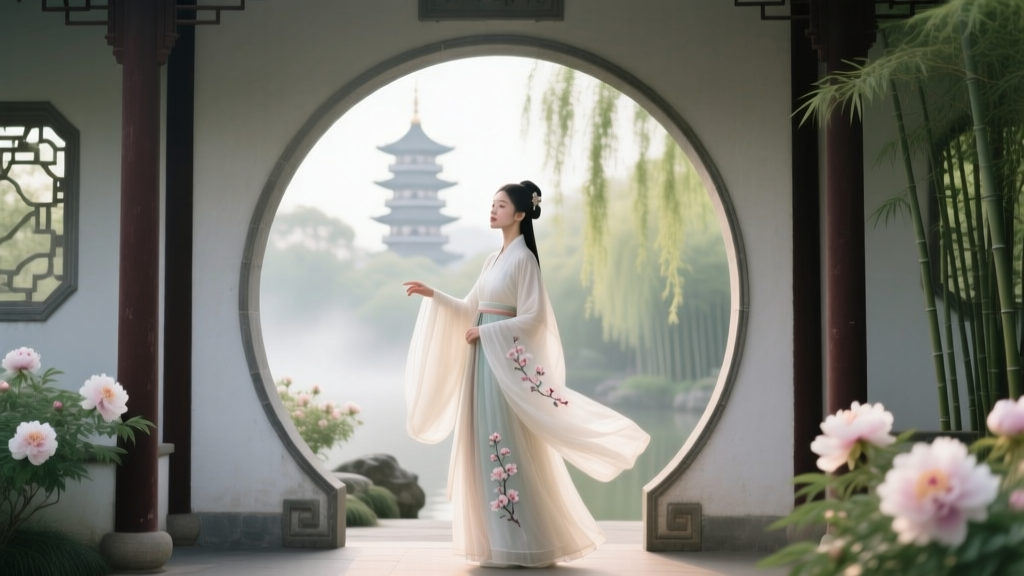
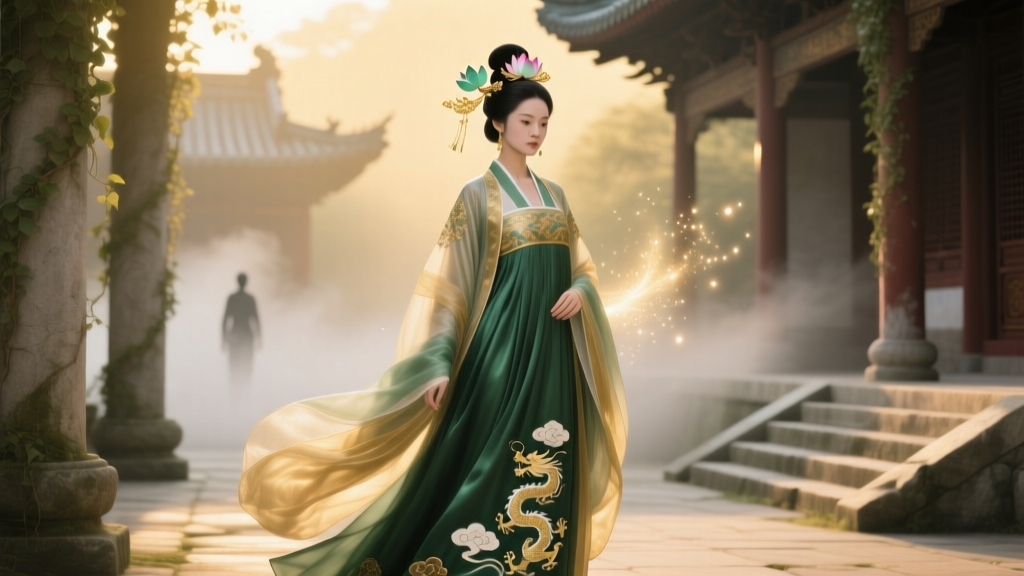
The global resurgence of modern traditional Chinese clothing has evolved far beyond monolithic costume replicas. Today, the movement known as Xin Zhongzhuang (新中式, or "New Chinese Style") is deeply informed by China's vast geographical and climatic diversity. Rather than a single uniform aesthetic, contemporary designers and artisans are reviving hyper-specific regional substyles, adapting historical silhouettes to suit local climates, indigenous textiles, and modern urban lifestyles. For collectors, cultural enthusiasts, and everyday wearers in 2026, understanding these regional variations is essential for building an authentic, functional wardrobe.
The "Xin Zhongzhuang" Paradigm: Deconstructing the Monolith
Historically, Western perceptions of Chinese dress were limited to the mid-20th-century qipao or generic "Tang suits." However, the modern traditional Chinese clothing movement of the 2020s has decentralized this narrative. Xin Zhongzhuang is not a single garment, but a design philosophy that merges traditional flat-cutting techniques, indigenous织造 (weaving) methods, and regional aesthetics with contemporary ergonomics. By examining this movement through a regional lens, we uncover distinct substyles that honor local heritage while providing practical solutions for modern dressing.
Shanghai Haipai: The Architectural Modern Qipao
Shanghai remains the epicenter of the Haipai (Shanghai School) aesthetic, a style born in the 1920s that blends Eastern silhouettes with Western tailoring. In 2026, the modern Haipai qipao is celebrated for its architectural precision and urban sophistication.
Construction and Collar Variations
Unlike the traditional flat-cut robes of the Qing dynasty, the modern Shanghai qipao utilizes 3D tailoring, incorporating bust darts and waist suppression to contour the body without restricting movement. Artisans in Shanghai's former French Concession district are currently pioneering the diguo (low collar) and wuling (dance collar) variations, which eliminate the stiff, high Mandarin collar in favor of a scooped neckline that prevents chafing during long workdays. Furthermore, the traditional fabric pankou (frog buttons) are being reimagined using carved Hetian jade, brushed brass, and even magnetic closures hidden beneath silk plackets.
Price Range: A daily-wear cotton-linen Haipai qipao starts around ¥450 ($65 USD), while bespoke, hand-rolled silk crepe de chine pieces from master tailors range from ¥3,500 to ¥12,000 ($500–$1,700 USD).
Lingnan Pragmatism: Subtropical Song-Style & Xiangyunsha
In the humid, subtropical climates of Guangdong and the broader Lingnan region, heavy brocades and high collars are impractical. Here, modern traditional Chinese clothing draws heavy inspiration from the Song Dynasty (960–1279), favoring minimalist, breathable silhouettes like the Beizi (褙子, a long parallel-collar overcoat) and the Banbi (半臂, a short-sleeved jacket).
The Mastery of Xiangyunsha
The defining textile of the Lingnan substyle is Xiangyunsha (Gambiered Canton Gauze). Recognized as an Intangible Cultural Heritage, this fabric is woven from raw silk, dyed with the tannin-rich juice of the Dioscorea cirrhosa tuber, and coated in iron-rich river mud. The resulting chemical reaction creates a metallic, rustling fabric that is naturally antimicrobial, sweat-wicking, and cool to the touch. Modern Guangzhou-based designers are cutting Xiangyunsha into relaxed, wide-legged trousers and oversized duster coats, creating a "quiet luxury" aesthetic that thrives in high humidity.
Northern Imperial Echoes: Ming-Style Aoqun for Winter
The harsh winters of Beijing and the northern provinces demand structural warmth. The northern substyle of modern traditional Chinese clothing heavily references the Ming Dynasty (1368–1644), specifically the Aoqun (袄裙, a lined jacket and skirt ensemble). According to archival textile research from the Palace Museum, Ming winter garments relied on complex layering and heavy tapestry weaves.
The Mamianqun Evolution
The Mamianqun (马面裙, or horse-face skirt) is the cornerstone of the northern wardrobe. Characterized by flat front and back panels with deeply pleated sides, the modern 2026 iteration utilizes fusible interfacing and high-twist polyester-silk blends to ensure the pleats remain razor-sharp even in biting winds. For the upper body, the Pi'ao (padded jacket) is constructed with inner channels for silk batting or lightweight down, hidden beneath opulent Zhuanghua (妆花, discontinuous weft brocade) featuring auspicious motifs like snow-laden plum blossoms.
Southwestern Fusion: Shu Brocade in Contemporary Streetwear
Sichuan and the southwestern provinces offer a vibrant, eclectic substyle that merges Han Chinese weaving traditions with the colorful textile heritage of local ethnic minorities. The focal point is Shu Brocade (蜀锦), one of China's oldest and most complex weaving techniques, historically produced in Chengdu.
Contemporary streetwear brands in Chengdu are extracting Shu brocade from formal robes and integrating it into modern outerwear. You will find Shu brocade utilized as structural paneling on bomber jackets, as lapels on western-style blazers, or crafted into structured corset vests. The fabric's thick, tightly woven warp-faced structure makes it incredibly durable, allowing it to withstand the rigors of urban streetwear while showcasing intricate, multi-colored geometric patterns that date back to the Han and Tang dynasties. The China National Silk Museum notes that modern jacquard looms have made these ancient patterns more accessible, though hand-loomed artisanal Shu brocade remains a highly sought-after collector's item.
2026 Regional Fabric & Price Matrix
| Region | Signature Garment | Primary Fabric | Climate Suitability | Est. Price Range (USD) |
|---|---|---|---|---|
| Shanghai (East) | Modern Haipai Qipao | Silk Crepe, Cotton-Linen | Temperate / Urban | $65 – $1,700 |
| Lingnan (South) | Song-Style Beizi / Trousers | Xiangyunsha (Mud-silk) | Subtropical / Humid | $170 – $850 |
| Beijing (North) | Ming Aoqun & Mamianqun | Zhuanghua Brocade, Wool | Cold / Dry Winters | $120 – $600 |
| Sichuan (Southwest) | Shu Brocade Outerwear | Shu Brocade (Warp-faced) | Mild / Basin Climate | $200 – $950 |
Curating a Regionally Diverse Wardrobe
When investing in modern traditional Chinese clothing, avoiding cultural homogenization is key to true appreciation. A well-curated wardrobe should reflect an understanding of these regional strengths. For summer travel or humid environments, sourcing authentic Xiangyunsha from Guangdong-based cooperatives ensures you are wearing a garment engineered by centuries of local climatic adaptation. For formal winter events, a Beijing-tailored Mamianqun provides unmatched structural elegance and warmth.
"To wear Xin Zhongzhuang is not merely to put on a historical costume; it is to engage in a dialogue with the specific geography, climate, and artisanal lineage of a region. The fabric remembers the river mud of Lingnan, the looms of Chengdu, and the tailoring tables of Shanghai."
As we navigate 2026, the most respected brands and independent artisans are those who transparently cite their regional inspirations, collaborate with local intangible heritage inheritors, and prioritize the functional realities of the climates for which these garments were originally conceived. By embracing these regional substyles, wearers help sustain the diverse, living ecosystem of Chinese sartorial heritage.