Mochihanfu Guide: Regional Roots & Contemporary Substyles

The global renaissance of traditional Chinese clothing, known as the Hanfu movement, has birthed numerous specialized substyles that bridge ancient sartorial practices with modern sensibilities. Among the most searched and highly specialized niches within this revival is the concept of mochihanfu. While the term often circulates in contemporary digital communities as a stylized keyword, it fundamentally traces its lineage to the historical Mo Xiong (抹胸, tube-top bodice) and the delicate, layered silhouettes of the Tang (618–907 CE) and Song (960–1279 CE) dynasties. Today, mochihanfu represents a distinct aesthetic substyle characterized by soft pastel palettes, lightweight gauze fabrics, and youthful, romantic silhouettes.
Decoding the Mochihanfu Aesthetic: From Antiquity to Modernity
To understand the mochihanfu substyle, one must first separate modern internet nomenclature from historical textile realities. In contemporary Hanfu markets, the term often denotes a 'sweet,' soft, and approachable aesthetic. This modern aesthetic relies heavily on the structural foundations of the Mo Xiong (a wrapped or tied bodice) and the Beizi (褙子, an open-front jacket popular in the Song dynasty). Unlike the heavily structured and rigid garments of the Ming dynasty, the Tang and Song silhouettes prioritize fluidity, drape, and the delicate interplay of translucent layers. The modern mochihanfu enthusiast typically seeks garments that emulate this historical lightness, utilizing soft crepes, chiffons, and mulberry silks to achieve a romantic, ethereal look that remains highly wearable in contemporary settings.
Historical Foundations: The Evolution of the Bodice
The structural core of the mochihanfu aesthetic is the bodice. During the Tang dynasty, women frequently wore the Qixiong Shanqun (齐胸衫裙), a high-waisted skirt tied above the chest, often paired with a sheer, wide-sleeved shawl called a Pibo (披帛). This silhouette celebrated volume and opulence, reflecting the cosmopolitan wealth of Chang'an. According to textile archives at the Metropolitan Museum of Art, Tang dynasty silks were often woven with complex weft-faced patterns, incorporating gold thread and vibrant dyes derived from safflower and indigo.
By the Song dynasty, the cultural pendulum swung toward restraint, intellectualism, and understated elegance. The Mo Xiong evolved into an inner garment that was occasionally visible beneath the slender, straight-lined Beizi. The Song aesthetic favored narrow sleeves, subdued jewel tones, and intricate, subtle embroidery rather than bold, sweeping patterns. This historical pivot is precisely what modern mochihanfu draws upon: the quiet luxury of Song dynasty layering, where a finely pleated Baizhe Qun (百褶裙, hundred-pleat skirt) peeks out from beneath a translucent, pastel-toned jacket.
Regional Variations: Climate, Geography, and Textile Choices
The historical execution of these bodice-and-jacket ensembles varied drastically across China's diverse climatic zones, a factor that continues to influence how modern artisans construct regional variations of Hanfu.
The Jiangnan Region (Southern China)
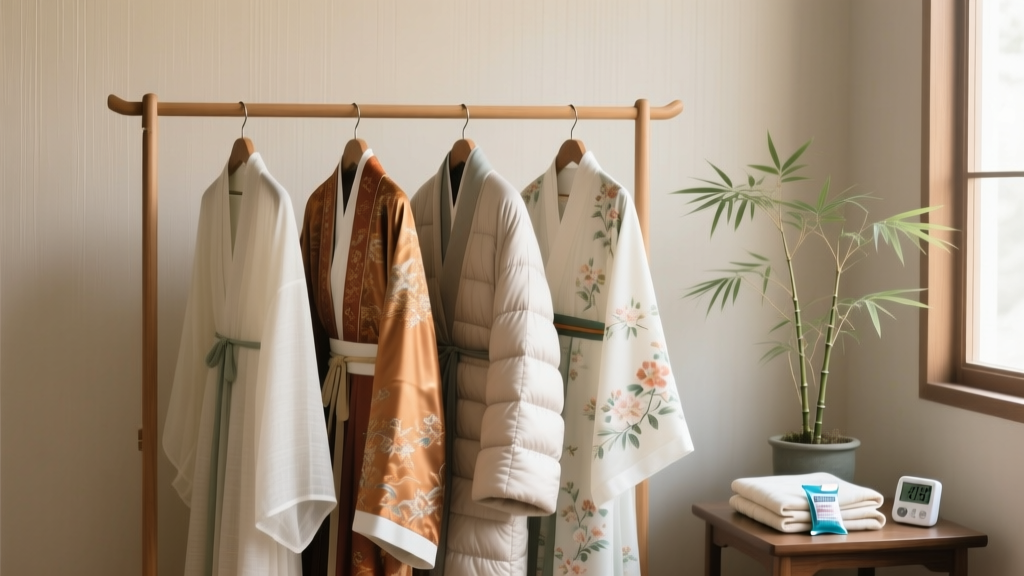
In the humid, subtropical climate of Jiangnan (the region south of the Yangtze River), historical garments prioritized breathability and moisture-wicking properties. Artisans utilized Luo (罗, open-work gauze) and Ling (绫, twill silk). The modern mochihanfu substyle heavily borrows from Jiangnan's textile traditions, favoring sheer, lightweight fabrics that drape beautifully in warm weather. Pastel pinks, celadon greens, and soft lotus whites dominate this regional palette, reflecting the area's famous water towns and lotus ponds.
The Central and Northern Plains
Conversely, in the colder, wind-swept Central and Northern plains, the Mo Xiong was often layered beneath thicker, lined jackets or padded vests (Bijia). Silks were heavier, often utilizing Juan (绢, plain weave silk) or wool-blended brocades. While the modern 'sweet' mochihanfu aesthetic is less common in heavy winter variations, northern-inspired substyles incorporate darker, richer tones like plum, maroon, and deep navy, utilizing velvet-lined Beizi and heavier pleated skirts to maintain the silhouette while providing necessary insulation.
Comparative Analysis: Historical vs. Modern Mochihanfu Construction
Understanding the differences between museum-grade historical garments and modern commercial adaptations is crucial for collectors and enthusiasts. The following table outlines the structural and material evolution of the substyle.
| Feature | Historical Song/Tang Garments | Modern Mochihanfu Substyle |
|---|---|---|
| Primary Fabrics | Hand-woven Mulberry Silk, Luo (gauze), Hemp, Ramie | Mulberry Silk, Polyester Chiffon, Crepe, Cotton Blends |
| Dyeing Methods | Plant-based dyes (Safflower, Indigo, Pagoda tree buds) | Synthetic reactive dyes for colorfast pastels |
| Fastenings | Woven silk ties, hidden inner loops, fabric knots | Traditional ties supplemented by hidden metal snaps or hooks |
| Pleating (Skirts) | Hand-pressed, heat-set using heavy stones or natural starches | Machine-pressed, permanent heat-set synthetic pleats |
| Embroidery | Hand-embroidered silk threads, gold-leaf couching | Machine embroidery, digital printing, selective hand-beading |
Sourcing and Styling: A Buyer’s Framework
For those looking to integrate mochihanfu into their wardrobe, navigating the modern market requires an understanding of pricing tiers, fabric composition, and styling protocols. The Hanfu market is vast, ranging from mass-produced costume pieces to haute couture artisanal creations.
Price Tiers and What to Expect
- Entry-Level (300 - 600 RMB / $40 - $85 USD): Typically made from high-quality polyester chiffon or crepe. These garments are excellent for beginners, offering vibrant, colorfast pastels and permanent pleating. However, they lack the breathability of natural fibers.
- Mid-Tier Artisan (800 - 1,800 RMB / $110 - $250 USD): This tier introduces genuine mulberry silk, silk-cotton blends, and traditional plant-dyed fabrics. Look for sets that include a genuine Mo Xiong with intricate machine or partial hand-embroidery. Brands in this tier often collaborate with cultural institutions to replicate historical patterns.
- Heritage & Couture (3,000+ RMB / $420+ USD): Reserved for serious collectors. These pieces feature hand-woven Luo gauze, entirely hand-embroidered motifs using traditional Suzhou embroidery techniques, and bespoke tailoring. The China National Silk Museum frequently highlights the immense labor required for these traditional weaving techniques, which can take months to complete.
Styling Protocols and Cultural Respect
When styling a mochihanfu ensemble, the layering sequence is paramount. The Mo Xiong must be secured tightly using the traditional tying method—wrapping the ties around the back and crossing them over the chest before tying a secure knot at the side or front. Modern iterations often include anti-slip silicone strips or hidden elastic to assist with this, but learning the traditional knot-tying method is a mark of respect for the garment's lineage.
Accessories should complement the soft aesthetic. Hair is typically styled in half-updos secured with celadon or jade hairpins (Zanzi), avoiding the heavy, elaborate gold crowns of the Ming dynasty in favor of the delicate, minimalist silver and pearl ornaments of the Song era. Footwear has also adapted; while traditional embroidered cloth shoes (Xiu Xie) are historically accurate, modern practitioners frequently pair their pastel Hanfu sets with minimalist Mary Janes or soft leather boots, demonstrating the living, evolving nature of the tradition.
'The beauty of the Song dynasty silhouette lies not in its volume, but in its restraint. The modern revival of these bodice styles allows a new generation to experience the quiet elegance of historical Chinese textiles.' — Curatorial notes on Asian Textile Revivals, Cleveland Museum of Art.
Conclusion: The Living Legacy of the Bodice
The mochihanfu phenomenon is far more than a fleeting internet trend; it is a testament to the enduring appeal of Tang and Song dynasty aesthetics. By translating the historical Mo Xiong and Beizi into a modern, accessible substyle, contemporary wearers and artisans are keeping regional textile traditions alive. Whether sourced from a high-end artisan cooperative in Hangzhou or a specialized boutique online, these garments offer a profound connection to Asian cultural heritage, proving that traditional clothing can seamlessly weave its way into the fabric of modern life.