Traditional Men Chinese Clothing: A Beginner's Guide
The Renaissance of Heritage Menswear
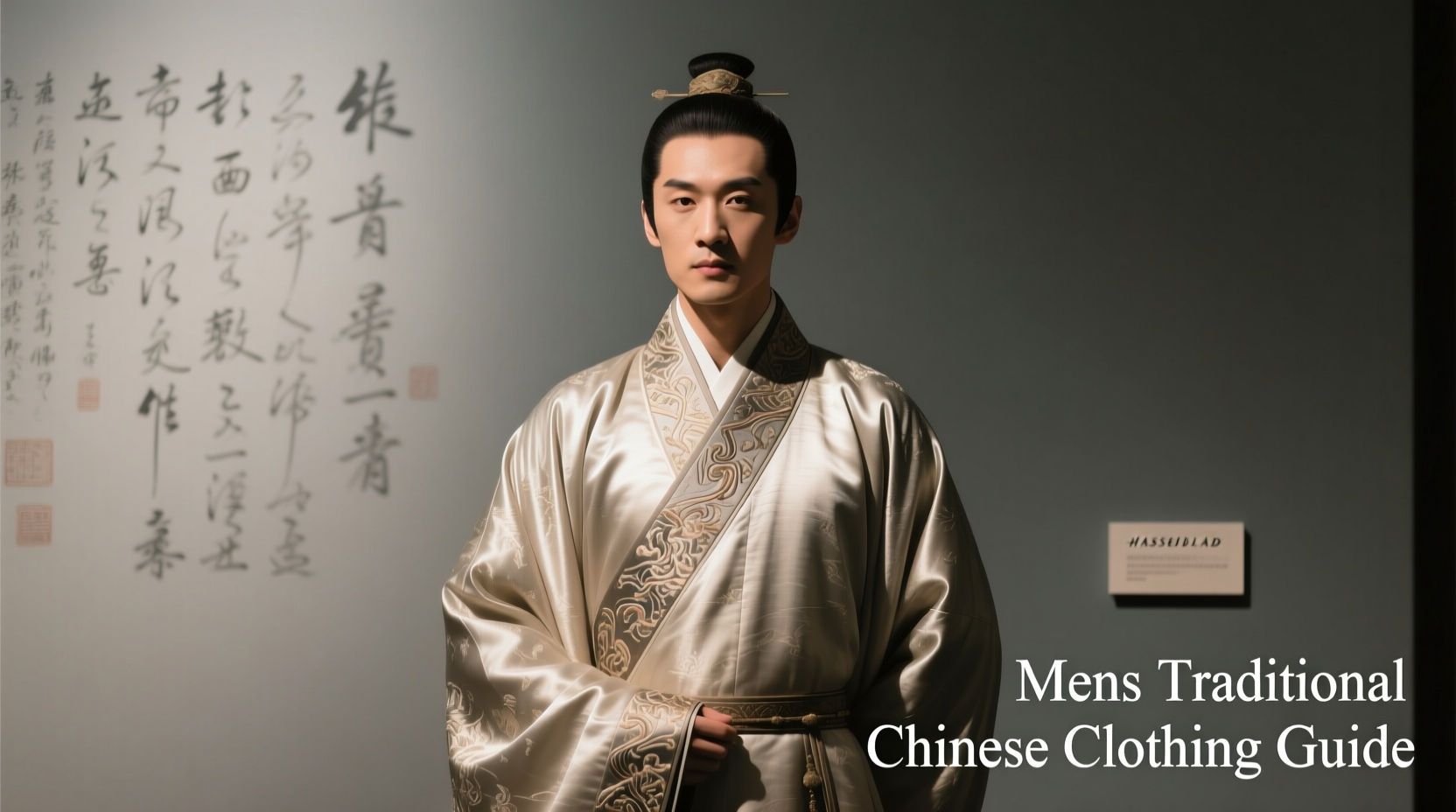
The global resurgence of interest in traditional men chinese clothing represents more than a fleeting fashion trend; it is a profound reconnection with millennia of sartorial philosophy. Unlike Western tailoring, which relies on darts, padding, and structured shoulders to impose a rigid shape upon the body, historical Chinese garments utilize a 'flat-cutting' technique. This approach respects the natural drape of the fabric and the movement of the wearer, emphasizing harmony between humanity and nature. For beginners navigating this rich landscape, understanding the distinction between ancient Han traditions, Manchu-influenced Qing silhouettes, and modern adaptations is essential for both cultural appreciation and personal styling.
Decoding the Core Garments: Hanfu, Changshan, and Tang Suit
To build a foundational wardrobe of traditional men chinese clothing, one must first recognize the three primary categories that dominate the market and cultural discourse today. Each represents a distinct epoch in Chinese history and carries its own set of stylistic rules.
Hanfu (汉服): The Ancient Foundation
Hanfu refers to the historical dress of the Han ethnic group, spanning from the Yellow Emperor era (circa 2700 BCE) to the early Qing Dynasty (1644). For men, the most iconic and accessible garment is the Daopao (道袍), a wide-sleeved, full-body robe that was ubiquitous among scholars and officials during the Ming Dynasty (1368–1644). The defining feature of Hanfu is Jiaoling Youren (交领右衽), the cross-collar with the right lapel. This means the left side of the robe crosses over the right side of the body, securing at the right waist. The sleeves are often expansive, sometimes featuring internal pockets sewn into the sleeve walls, a brilliant piece of historical garment engineering.
Changshan (长衫) & Magua (马褂): The Qing Dynasty Silhouette
Following the Manchu conquest in 1644, the sartorial landscape shifted dramatically. The Changshan (long shirt) and Magua (riding jacket) became the standard daily and formal wear for men. The Changshan is characterized by a high Mandarin collar, a straight, tubular cut, and side-fastening closures using intricate Pankou (frog knots). The Magua is a cropped, waist-length jacket worn over the Changshan, originally designed for horseback riding but later adopted as a mark of formal respect. According to The Metropolitan Museum of Art's Heilbrunn Timeline, these garments reflect a synthesis of Manchu equestrian practicality and Han Chinese textile artistry.
The Tang Suit (唐装): A Modern Classic
Despite its name, the 'Tang Suit' does not originate from the Tang Dynasty (618–907 CE). It is a contemporary hybrid created in the late 20th century, combining the frog-button closures and Mandarin collar of the Qing-era Magua with Western tailoring techniques, such as set-in sleeves and shoulder pads. It gained massive international visibility during the 2001 APEC summit in Shanghai when world leaders were photographed wearing them. Today, it remains a staple for Lunar New Year celebrations and family gatherings.
Fabric, Construction, and Regional Nuances
The soul of traditional men chinese clothing lies in its textiles. While mass-market options rely on polyester blends, authentic garments utilize region-specific natural fibers that dictate the garment's drape, breathability, and cultural weight.
| Garment | Historical Era | Key Construction Features | Best Occasion | Est. Price (USD) |
|---|---|---|---|---|
| Daopao (Hanfu) | Ming Dynasty | Cross-collar, side slits, flowing sleeves, flat-cut | Tea ceremonies, cultural festivals | $80 - $350 |
| Changshan | Qing / Republic | Mandarin collar, side fastening, straight tubular cut | Formal events, weddings, academic settings | $60 - $250 |
| Magua | Qing Dynasty | Cropped riding jacket, center or side frog buttons | Layering, semi-formal gatherings | $50 - $180 |
| Tang Suit | Modern (2000s) | Brocade, Western shoulder pads, relaxed modern fit | Lunar New Year, family dinners | $40 - $120 |
For connoisseurs, Xiangyunsha (Gambiered Canton Gauze) is the pinnacle of luxury. Originating from Guangdong province, this silk is dyed using plant tannins and iron-rich river mud, resulting in a dark, lustrous fabric that is water-resistant, cooling in summer, and entirely unique to the region. The China National Silk Museum extensively documents the complex, multi-week sun-drying process required to produce authentic Xiangyunsha, which pushes the price of a single Changshan well past $800. Conversely, Shandong province is renowned for Shantung silk, a slubbed, textured fabric that offers a more rustic, breathable option for everyday summer wear.
A Beginner’s Framework for Wearing and Buying
Sizing and Fit Protocols
Purchasing traditional men chinese clothing requires a departure from Western sizing charts (S, M, L). Authentic garments are sized by specific measurements, primarily chest width and garment length. Because flat-cutting relies on the fabric draping over the body rather than hugging it, the chest measurement of the garment should exceed your actual chest circumference by at least 4 to 6 inches (10-15 cm) to allow for proper movement and the traditional relaxed silhouette. For robes like the Daopao, length is critical; the hem should ideally fall just above the ankles to prevent dragging while maintaining a dignified, grounded appearance.
Price Ranges and Where to Source
- Entry-Level ($30 - $80): Mass-produced Tang suits and basic cotton Hanfu. Suitable for costume parties or casual holiday wear. Often found on global e-commerce platforms, but expect synthetic blends and machine-stamped frog buttons.
- Mid-Tier ($80 - $250): Genuine linen, raw silk, and cotton garments from dedicated heritage brands. These feature hand-stitched details, proper flat-cutting, and accurate historical collars. Look for specialized online boutiques focusing on the Hanfu revival movement.
- Bespoke & Artisan ($300 - $1,000+): Custom-tailored Changshan and Xiangyunsha silk robes. Sourced through master tailors in cities like Shanghai, Suzhou, or Beijing, or via high-end cultural cooperatives documented by institutions like the Victoria and Albert Museum.
Cultural Etiquette and Contemporary Styling
Wearing traditional garments carries inherent cultural responsibilities. The most critical rule in Hanfu is the Jiaoling Youren (left over right) mandate. In ancient Chinese cosmology, the left represents Yang (life, light, and the living), while the right represents Yin (death, darkness, and the spiritual realm). Therefore, wrapping the right side over the left is strictly reserved for dressing the deceased for burial. Wearing it incorrectly in daily life is considered deeply inauspicious and offensive.
Color symbolism also plays a vital role. While red and gold are universally recognized as auspicious colors for weddings and the Lunar New Year, wearing stark white or unadorned black head-to-toe can be associated with mourning in traditional contexts, though modern interpretations have softened these rules. For a contemporary, stylish approach, beginners should pair a linen Changshan with modern, tailored trousers and leather loafers, bridging the gap between historical reverence and modern menswear. By understanding the profound engineering and philosophy woven into every seam, wearers can honor the legacy of traditional men chinese clothing with confidence and respect.