Men's Chinese Costumes: 2026 Buying Guide & Shops

When searching for a traditional Chinese costume, men's options often get overshadowed by the vibrant and heavily marketed women's silhouettes. However, the landscape of men's traditional Chinese dress is experiencing a massive renaissance. Driven by the global Hanfu movement and a renewed interest in sartorial heritage, modern men are reclaiming garments that span over three millennia of history. As cultural garment experts, we must first draw a line between a theatrical 'costume' and authentic traditional dress. True heritage garments—whether a flowing Ming dynasty Daopao or a sharply tailored Republican-era Changshan—are constructed with specific geometric patterns, sacred protocols, and artisanal textiles.
Decoding the Core Men's Garments
To shop effectively, you must understand the distinct categories of men's Chinese dress. The market is generally divided into three historical and stylistic eras, each serving different modern occasions.
1. Hanfu (汉服): The Pre-Qing Heritage
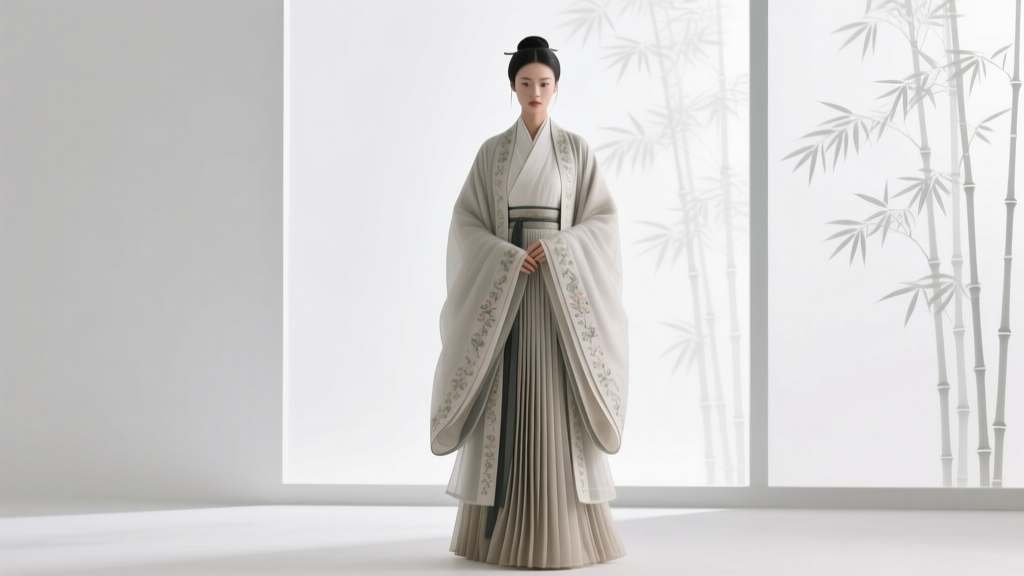
Hanfu refers to the historical dress of the Han Chinese, spanning from the Yellow Emperor era to the late 17th century. For men, the most popular and versatile garment in 2026 is the Daopao (道袍), a Ming dynasty scholar's robe. It features a cross-collar, wide sleeves, and hidden side pendulums (bai) that provide volume and structure without exposing the inner layers. Another staple is the Shenyi (深衣), a deep robe that connects the top and bottom, symbolizing the unity of heaven and humanity. These garments are ideal for cultural festivals, tea ceremonies, and heritage weddings.
2. Tangzhuang (唐装): The Modern Classic
Despite its name translating to 'Tang Dynasty Clothing,' the modern Tangzhuang is actually derived from the Qing dynasty Manchu Magua (riding jacket). It was globally popularized during the 2001 APEC Summit in Shanghai. Characterized by its mandarin collar and Pankou (knotted frog buttons), the Tangzhuang is the go-to garment for Lunar New Year celebrations and family banquets. When buying, look for jackets that use traditional flat-pattern cutting rather than Western darts, preserving the authentic drape.
3. Changshan (长衫) & Zhongshan Zhuang (中山装)
The Changshan is a long, tailored gown that became the uniform of intellectuals and scholars in the early 20th century. Often worn with a shorter Magua over it, it projects an air of scholarly refinement. The Zhongshan Zhuang (often known in the West as the Mao suit) features four patch pockets and a turned-down collar, representing the four virtues of Chinese philosophy. Both are highly appropriate for formal diplomatic events, academic conferences, and solemn ceremonies.
Textile Mastery: Choosing Your Fabric
The authenticity of a men's Chinese garment is inextricably linked to its textile. Fast-fashion 'costumes' rely on synthetic brocades that trap heat and lack structural integrity. Authentic garments utilize heritage weaves and natural fibers. According to the China National Silk Museum, the preservation of traditional looming techniques is vital to the drape and longevity of these garments.
| Fabric | Native Term | Best Season | Price Tier (USD) | Care Profile |
|---|---|---|---|---|
| Gambiered Gauze | Xiangyunsha (香云纱) | Summer | $250 - $900+ | Dry clean only; softens beautifully with wear |
| Song Brocade | Songjin (宋锦) | Winter / Formal | $150 - $600 | Delicate; avoid water spotting and direct sun |
| Ramie | Xia Bu (夏布) | Summer | $60 - $200 | Machine washable; crisp, breathable texture |
| Heavy Silk Crepe | Zhongzhou (重绉) | Spring / Autumn | $120 - $400 | Hand wash cold; iron on low with a press cloth |
Xiangyunsha is the pinnacle of luxury summer wear. This intangible cultural heritage fabric is dyed using the juice of the gambier plant and sealed with iron-rich river mud from the Pearl River Delta, resulting in a dark, crackling glaze that is naturally antibacterial and sweat-resistant.
Sizing, Fit, and Sacred Protocols
Western sizing charts do not apply to traditional Chinese dress. Hanfu is cut using a flat, geometric pattern system that relies on fabric width rather than body contouring. When taking measurements, focus on your height, shoulder span, and arm length (measured from the base of the neck to the wrist, as sleeves are often cut in one piece with the bodice).
The Golden Rule: Jiaoling Youren
The most critical protocol in wearing Hanfu is Jiaoling Youren (交领右衽)—the cross-collar must always wrap left over right (from the wearer's perspective, the right lapel is on the inside, and the left lapel crosses over it, forming a 'y' shape). Wrapping right over left (Zuoren) is historically reserved exclusively for the deceased and is considered highly inauspicious. Always verify this detail when inspecting garments from overseas retailers.
Sleeve Lengths and Occasions
Men's sleeves vary by formality. The Hui sleeve (returning sleeve) extends past the hands and is folded back, reserved for high-formality ritual wear. Standard Chang sleeves end at the wrist or mid-hand, suitable for daily wear and scholarly pursuits.
Where to Shop: 2026 Retailer Directory
Finding authentic men's Chinese costumes requires looking beyond generic party-supply stores. The Victoria and Albert Museum's Asian Collections highlight the intricate tailoring of historical Chinese garments, a standard you should expect from modern heritage brands.
High-End & Bespoke Artisans
- Minghuatang (明华堂): The gold standard for Ming dynasty Hanfu reproduction. Their Daopao and ceremonial robes are woven on custom looms using authentic gold thread and complex brocade techniques. Prices range from $800 to over $3,000. Waitlists can exceed six months.
- Shanghai Tang: For luxury Tangzhuang and modern Changshan, this heritage brand offers impeccable tailoring, fusing traditional Pankou knots with contemporary luxury fabrics. Ideal for grooms and formal gala attendees.
Mid-Tier & Accessible Heritage Brands
- Shisanyu (十三余) & Haoyu Hanfu: While these brands heavily market to women, their men's collections offer excellent entry-level Shenyi and scholar robes in the $80–$180 range, utilizing durable cotton-linen blends.
- Caoxian Market (Taobao/AliExpress Global): Caoxian county in Shandong province produces over 40% of the world's Hanfu. By searching for 'Caoxian Hanfu Men' on global platforms, you can find direct-from-manufacturer garments. Look for sellers with high ratings for 'historical accuracy' (形制正确).
Brick-and-Mortar & Custom Tailors
If you reside near a major international Chinatown (such as San Francisco, London, or Sydney), seek out bespoke Qipao and Changshan tailors. While many focus on women's wear, master tailors can draft a traditional men's long gown using your choice of imported silk or wool crepe. Expect to pay $400–$1,200 for bespoke tailoring, which includes multiple fittings to ensure the shoulder seams and collar pitch sit perfectly.
Price Breakdown: Budget vs. Heirloom Quality
- Budget ($30 - $80): Polyester blends, machine-embroidered motifs, often cut with Western darts. Suitable for stage performances or casual costume parties, but lacks breathability and historical accuracy.
- Mid-Tier ($90 - $250): Ramie, cotton-linen, and basic silk blends. Flat-pattern cutting, accurate collars, and woven (rather than printed) patterns. The sweet spot for cultural enthusiasts and festival-goers.
- Artisan / Heirloom ($300 - $2,000+): Authentic Xiangyunsha, Songjin brocade, hand-woven gold threads, and rigorous adherence to historical textile patterns sourced from museum archives.
Final Thoughts on Respectful Wearing
Purchasing a traditional Chinese garment is an investment in living history. Whether you are donning a structured Zhongshan suit for a wedding or a flowing Hanfu Daopao for a tea ceremony, understanding the geometry, fabric, and cultural protocols elevates the garment from a mere 'costume' to a profound expression of Asian sartorial heritage. Always prioritize natural fibers, verify the collar direction, and support artisans who respect the historical lineage of their craft.