Preserving Medieval Chinese Clothing: A Silk Care Guide

Defining the 'Medieval' Era in Chinese Textile History
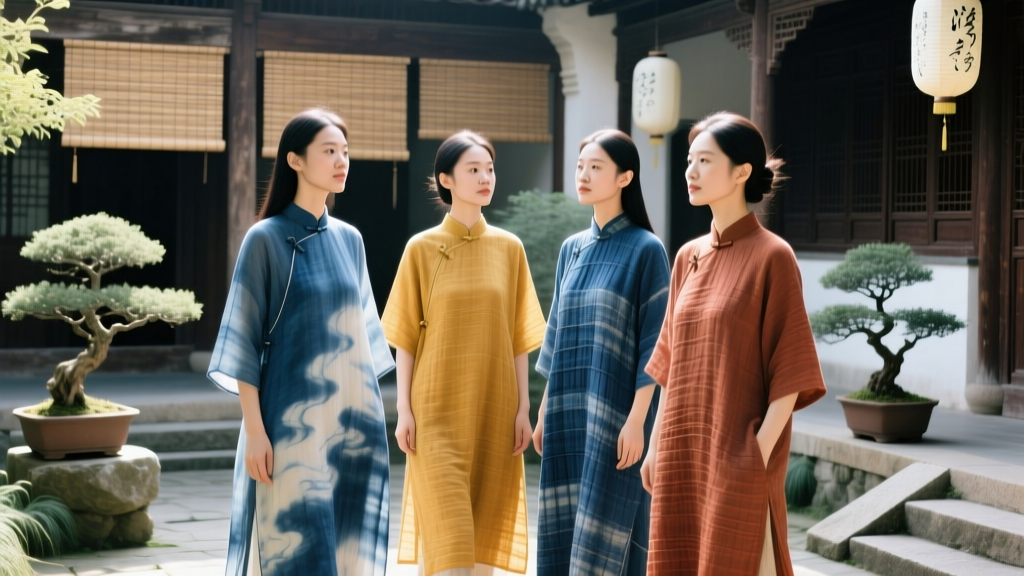
When discussing medieval Chinese clothing, textile historians and curators generally refer to the garments of the Tang (618–907 CE), Song (960–1279 CE), and early Ming (1368–1644 CE) dynasties. This era represents a pinnacle of sericulture, weaving technology, and sartorial elegance. Today, the global Hanfu revival has brought meticulous, historically accurate reproductions of these garments into modern wardrobes. Whether you are a collector managing a fragile, excavated Tang dynasty textile or an enthusiast maintaining a high-fidelity modern reproduction of a Song dynasty Beizi (open-front jacket), understanding the structural integrity of these fibers is paramount.
Unlike Western medieval wools and linens, medieval Chinese clothing relies heavily on protein fibers (mulberry silk) and bast fibers (ramie and hemp). These materials react drastically to modern alkaline detergents, UV exposure, and mechanical agitation. This comprehensive care guide bridges museum-grade curatorial standards with practical maintenance for the modern wearer, ensuring your historical garments endure for generations.
The Material Matrix: Silk, Gauze, and Ramie
To properly care for medieval Chinese clothing, one must first identify the weave and fiber. The Chinese historical wardrobe is categorized not just by garment shape, but by the intricate engineering of the fabric itself.
- Luo (Gauze): A complex, twisted-warp weave that creates a breathable, net-like structure. Highly popular in the Tang and Song dynasties for summer Ruqun (blouse and skirt sets). The twisted warp threads are highly susceptible to snagging.
- Qi (Damask) and Duan (Satin): Characterized by floating weft or warp threads that create a luminous, patterned surface. Often used for heavier winter robes and ceremonial wear.
- Zhu (Ramie): A bast fiber prized for its crisp drape and cooling properties. Frequently used by scholars and commoners alike during the Song dynasty for everyday Shenyi (deep robes).
- Xiangyunsha (Gambiered Silk): A specialized, mud-dyed silk from Guangdong, historically used for durable, water-resistant garments. It features a distinct crackled surface and requires highly specific, non-aqueous cleaning methods.
Curatorial Maintenance Protocols by Fabric Type
The China National Silk Museum emphasizes that improper washing is the leading cause of degradation in historical Asian textiles. Below is a matrix detailing the exact care protocols for the primary fabrics found in medieval Chinese clothing.
| Fabric Type (Native / English) | Dynastic Prominence | Washing Protocol | Drying & Storage |
|---|---|---|---|
| Sangcansi (Mulberry Silk) | Tang, Song, Ming | Hand-wash in cool water (max 30°C) with pH-neutral (5.5-7.0) silk detergent. Never wring. | Roll in a clean cotton towel to absorb moisture. Dry flat in shade. Store folded with unbuffered acid-free tissue. |
| Luo (Silk Gauze) | Tang, Song | Spot clean only, or submerge gently without agitation. Use a mesh support bag to prevent warp distortion. | Lay flat on a mesh screen. Never hang, as the weight of water will permanently stretch the twisted warps. |
| Zhu (Ramie / Hemp) | Song, Ming | Can tolerate slightly warmer water and mild, plant-based soaps. Avoid bleach, which turns bast fibers yellow and brittle. | Line dry in indirect sunlight. Store flat or rolled; hard creases can cause cellulosic fibers to snap over time. |
| Zhuanghua (Woven Brocade) | Ming (Late Medieval) | Dry clean only (using specialized textile conservators). Water causes the metallic or thick supplementary wefts to shrink and pucker the ground silk. | Roll around an acid-free tube. Never fold, as the thick brocade threads will break at the crease points. |
Garment-Specific Handling: From Ruqun to Yuanlingpao
Preserving the Pleats of the Qixiong Ruqun
The Qixiong Ruqun, a chest-high skirt iconic to Tang dynasty medieval Chinese clothing, relies on intricate knife or box pleats. When washing a modern reproduction of this skirt, the pleats must be secured. Curators recommend loosely basting the pleats together with undyed cotton thread before submerging the garment. Once washed and laid flat to dry, the garment should be pressed using a low-heat steam iron hovering exactly one inch above the fabric, allowing the steam to set the silk memory without crushing the fibers with direct metal contact.
Maintaining the Structure of the Yuanlingpao
The Yuanlingpao (round-collar robe) was a staple of official and scholarly dress across the medieval period. The collar features a rigid, overlapping structure that must maintain its circular geometry. To preserve this, never hang a heavy, wet Yuanlingpao by the shoulders. The weight of the wet silk will pull the collar out of its natural curve. Instead, dry the robe flat, and when storing, insert a custom-cut collar support made of archival-grade polyethylene foam to maintain the roundel shape without stressing the neck seams.
The Chemistry of Cleaning: Detergents and pH Levels
Silk is a protein fiber, chemically similar to human hair but far more delicate when woven. Standard laundry detergents are highly alkaline (pH 9-11), which breaks down the peptide bonds in fibroin, the core protein of silk. This results in 'silk shattering'—a phenomenon where the fabric literally disintegrates into dust when touched.
For all medieval Chinese clothing reproductions made of pure silk, you must use a detergent with a pH between 5.5 and 7.0. Furthermore, avoid enzymes (proteases) found in 'stain-removing' detergents, as these enzymes are designed to eat protein and will actively digest your silk garment. If dealing with localized stains on a Song dynasty-style Beizi, use a micro-spatula to apply a minute amount of distilled water and gently blot with a cotton swab, working from the outside of the stain inward to prevent water-ringing.
Archival Storage vs. The Modern Wardrobe
How you store medieval Chinese clothing dictates its lifespan. The Metropolitan Museum of Art's Textile Conservation Department notes that gravity and light are the two greatest enemies of historical garments.
- Folding vs. Rolling: Cellulosic fibers like ramie and heavy silks like brocade should be rolled around acid-free cardboard tubes covered in washed, unbleached muslin. Folding creates hard creases that sever the warp threads over decades. Lightweight plain-weave silks (Chou) can be folded, but every fold must be padded with unbuffered, acid-free tissue paper to prevent sharp creasing.
- Buffered vs. Unbuffered Tissue: This is a critical distinction. Silk is a protein and requires unbuffered tissue paper. Buffered tissue contains calcium carbonate to neutralize acids, but this alkaline reserve can damage protein fibers over time. Ramie and cotton, being plant-based cellulosics, benefit from buffered tissue.
- Light Exposure: UV radiation causes irreversible yellowing and embrittlement of historical dyes, particularly the safflower reds and indigo blues used in Tang and Song textiles. Garments must be stored in opaque, breathable cotton garment bags, never in plastic dry-cleaning bags which trap moisture and emit off-gassing chemicals that degrade silk.
Troubleshooting Common Degradations
Dye Bleeding: Medieval Chinese clothing often features vibrant, contrasting color palettes (e.g., a crimson bodice with an emerald skirt). If dye bleeds during washing, immediately submerge the garment in a cool bath with a commercial dye-trapping sheet and a tablespoon of white vinegar to help set the remaining natural dyes. Do not apply heat.
Metallic Thread Tarnishing: Garments featuring Pianjin (gold-wrapped thread) common in late medieval and Ming textiles should never be exposed to moisture or sulfur-rich environments. Tarnished metallic threads should only be polished by a professional textile conservator using specialized, non-abrasive chemical sponges.
Sourcing Authentic Reproductions and Conservation Services
Investing in high-quality medieval Chinese clothing requires a budget that reflects the complexity of historical weaving. Basic, machine-woven ramie Beizi or cotton-blend Ruqun typically range from $60 to $150 USD. However, historically accurate, hand-woven Luo gauze or genuine Zhuanghua brocade Yuanlingpao crafted by heritage artisans in Suzhou or Hangzhou can command prices between $800 and $3,500+ USD.
When purchasing high-end reproductions, always request the exact fiber composition and dye methodology from the artisan cooperative. For owners of genuine antiquities or highly valuable modern replicas requiring structural repair, consult institutions like the Victoria and Albert Museum (V&A) conservation guidelines to locate certified textile conservators in your region. Attempting to mend shattered silk or re-weave a damaged Luo gauze without professional loom-training will invariably cause further structural collapse.
By respecting the material science and historical context of medieval Chinese clothing, collectors and enthusiasts can ensure these magnificent expressions of Asian heritage remain vibrant, structurally sound, and culturally alive for the future.