The Male Qipao: Changshan & Men Robes Guide

The Terminology Trap: Searching for the Qipao Male Equivalent
When contemporary fashion enthusiasts and historians search for the qipao male equivalent, they frequently encounter a linguistic and historical crossroads. The globally recognized qipao (or cheongsam)—characterized by its form-fitting silhouette, high Mandarin collar, and asymmetrical side fastenings—is overwhelmingly understood as a women's garment. However, the roots of this iconic dress are deeply intertwined with men's clothing. To understand the male counterpart of the qipao, one must look beyond modern terminology and explore the changshan (long shirt), the changpao (long robe), and the rich history of Manchu and Han Chinese sartorial integration.
Qing Dynasty Origins: The Unisex Banner Robe
The word qipao literally translates to 'banner robe' (qi meaning banner or flag, and pao meaning robe). During the Qing Dynasty (1644–1912), the Manchu rulers enforced the tifa yifu edict, requiring Han Chinese men to adopt the Manchu queue hairstyle and their traditional clothing, known as qizhuang (banner clothes). According to the Metropolitan Museum of Art, these early banner robes were remarkably unisex in their fundamental T-shaped, flat-pattern construction. Both men and women wore long, voluminous robes with wide sleeves and side slits, designed originally for the equestrian lifestyle of the Manchu nomads. It was only in the 1920s and 1930s, within the cosmopolitan hub of Shanghai, that the term qipao became exclusively associated with the modernized, tailored, and westernized women's dress.
The Anatomy of the Changshan: Tailoring and Construction
The true historical and cultural equivalent to the modern female qipao for men is the changshan (长衫), which translates to 'long shirt' or 'long gown.' While the women's qipao evolved to incorporate Western darts, set-in sleeves, and figure-hugging silhouettes, the male changshan remained fiercely loyal to traditional Chinese flat-cutting techniques.
Key Structural Elements
- Flat Pattern Cutting: Unlike Western tailoring, the changshan is cut from a single continuous piece of fabric across the shoulders, with no shoulder seams or darts. This creates a straight, columnar silhouette that drapes gracefully over the body, concealing rather than accentuating the wearer's physique.
- The Mandarin Collar: A stiff, stand-up collar (liyuan) that frames the face and demands an upright, dignified posture.
- Pankou Fastenings: Intricate, hand-knotted frog buttons made from silk or cotton cords. A traditional changshan features one fastening at the center of the collar and a cascading diagonal line of fastenings down the right side (dayou), reflecting the traditional Han Chinese right-over-left lapel rule.
- Side Slits (Kaicha): Slits on both side seams, historically necessary for mounting horses, which now provide ease of movement and a glimpse of the trousers worn beneath.
The Republican Era: Scholars, Rebels, and the Long Gown
Following the fall of the Qing Dynasty in 1912, the newly formed Republic of China sought a unified national identity. While Sun Yat-sen introduced the Western-style zhongshan zhuang (Mao suit), the changshan became the definitive uniform of the intellectual class, writers, and scholars. Figures like Lu Xun and Hu Shih were rarely seen without their cotton or silk long gowns. As documented by the Smithsonian National Museum of Asian Art, the long gown represented a bridge between China's imperial past and its modern, progressive future. It was a garment of quiet rebellion—rejecting Western suits while embracing a streamlined, indigenous silhouette that suited the modern scholar's life.
The Magua and the Modern Tangzhuang
Historically, the changshan was often paired with a magua (horse jacket), a waist-length, front-fastening jacket with a round collar. This layered combination provided warmth and formality. In contemporary times, this layered aesthetic evolved into the tangzhuang (Tang suit), which gained global visibility during the 2001 APEC summit in Shanghai when world leaders donned brightly colored, brocade jackets. While the tangzhuang is technically a jacket and not a full robe, it is frequently what modern consumers encounter when searching for male traditional Chinese formalwear.
Sourcing and Buying Guide: Materials, Makers, and Pricing
For those looking to acquire an authentic changshan or a traditional men's robe, understanding fabric composition and regional sourcing hubs is critical. The Victoria and Albert Museum highlights the profound importance of regional silk weaving techniques in Chinese dress, a tradition that continues in modern bespoke tailoring.
Price and Material Matrix
| Garment Type | Material | Best Use Case | Estimated Price (USD) |
|---|---|---|---|
| Everyday Changshan | Cotton / Linen Blend | Tea ceremonies, casual cultural events, daily meditation | $45 - $120 |
| Scholar's Robe | Raw Silk / Shantung | Academic settings, formal dinners, gallery openings | $180 - $350 |
| Xiangyunsha Gown | Gambiered Canton Silk | Haute couture, luxury heritage wear, summer formal | $400 - $900+ |
| Bespoke Song Brocade | Heavy Silk Brocade (Songjin) | Weddings, major festivals, stage performances | $600 - $1,500+ |
| Modern Tangzhuang Jacket | Rayon / Poly-Brocade | Lunar New Year, tourist events, casual layering | $30 - $80 |
Where to Source Authentic Garments
Suzhou and Hangzhou: The historic epicenters of Chinese silk. Artisans here specialize in songjin (Song brocade) and can commission bespoke changshan with hand-embroidered motifs like bamboo (resilience) or plum blossoms (perseverance).
Shanghai's Changle Road: While famous for women's qipao, legacy tailors along Changle Road and Maoming Road still possess the pattern blocks for traditional Republican-era men's long gowns, offering bespoke fittings that honor the flat-cutting method.
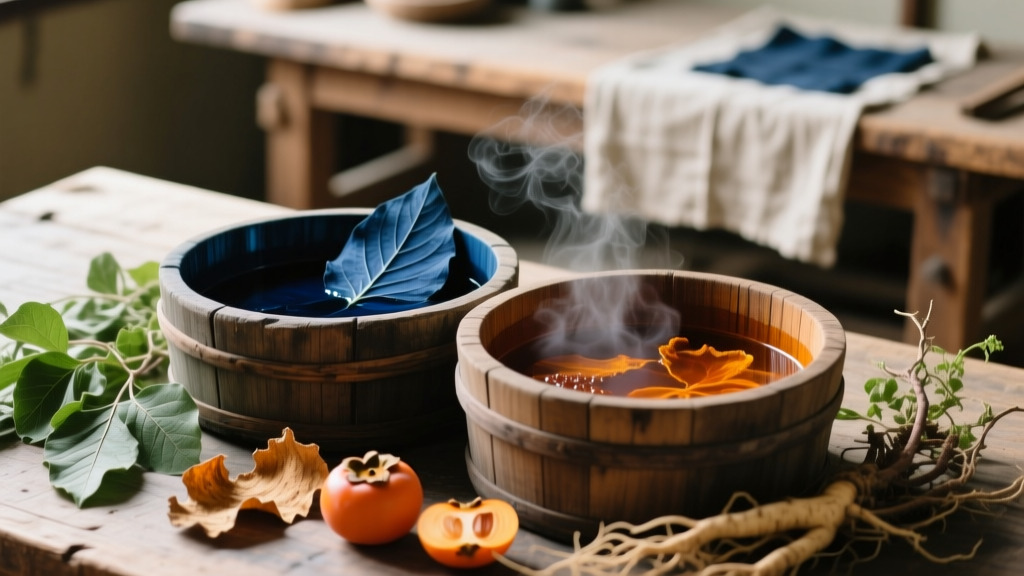
Guangdong Province: The exclusive home of xiangyunsha (gambiered silk), a UNESCO-recognized intangible cultural heritage. This fabric is dyed with river mud and yam juice, resulting in a dark, rustling, water-resistant silk that is highly prized for premium men's robes.
Cultural Etiquette and Modern Styling
Wearing a changshan today requires an understanding of cultural context to avoid reducing a profound historical garment to a mere costume.
- The Right-Over-Left Rule: In traditional Chinese culture, the left lapel must always cross over the right (jiaoling youren). A left-over-right fastening is strictly reserved for burial garments. Ensure your tailor or ready-to-wear brand respects this vital cultural protocol.
- Footwear: Pair the long gown with traditional cloth shoes (bulü), leather loafers, or minimalist modern boots. Avoid pairing formal silk robes with athletic sneakers, as it disrupts the garment's dignified drape.
- Underlayers: The changshan is an outer garment. It should be worn over straight-cut cotton trousers or silk drawstring pants. The subtle reveal of the trouser hem through the side slits is a hallmark of the garment's elegant movement.
Preserving a Living Heritage
The search for the qipao male equivalent ultimately leads to a profound appreciation for the changshan. It is a garment that survived the collapse of an empire, the rise of a republic, and the rapid westernization of the 20th century. Today, a renaissance of traditional Chinese menswear is underway, driven by young designers and cultural preservationists who recognize the changshan not as a relic of the past, but as a sophisticated, sustainable, and deeply meaningful alternative to the Western suit. By understanding its construction, history, and proper etiquette, modern wearers can honor the legacy of the banner robe with the respect it commands.