Male Cheongsam Buying Guide: Fit & Fabric
The Linguistic Bridge: Decoding the 'Male Cheongsam'
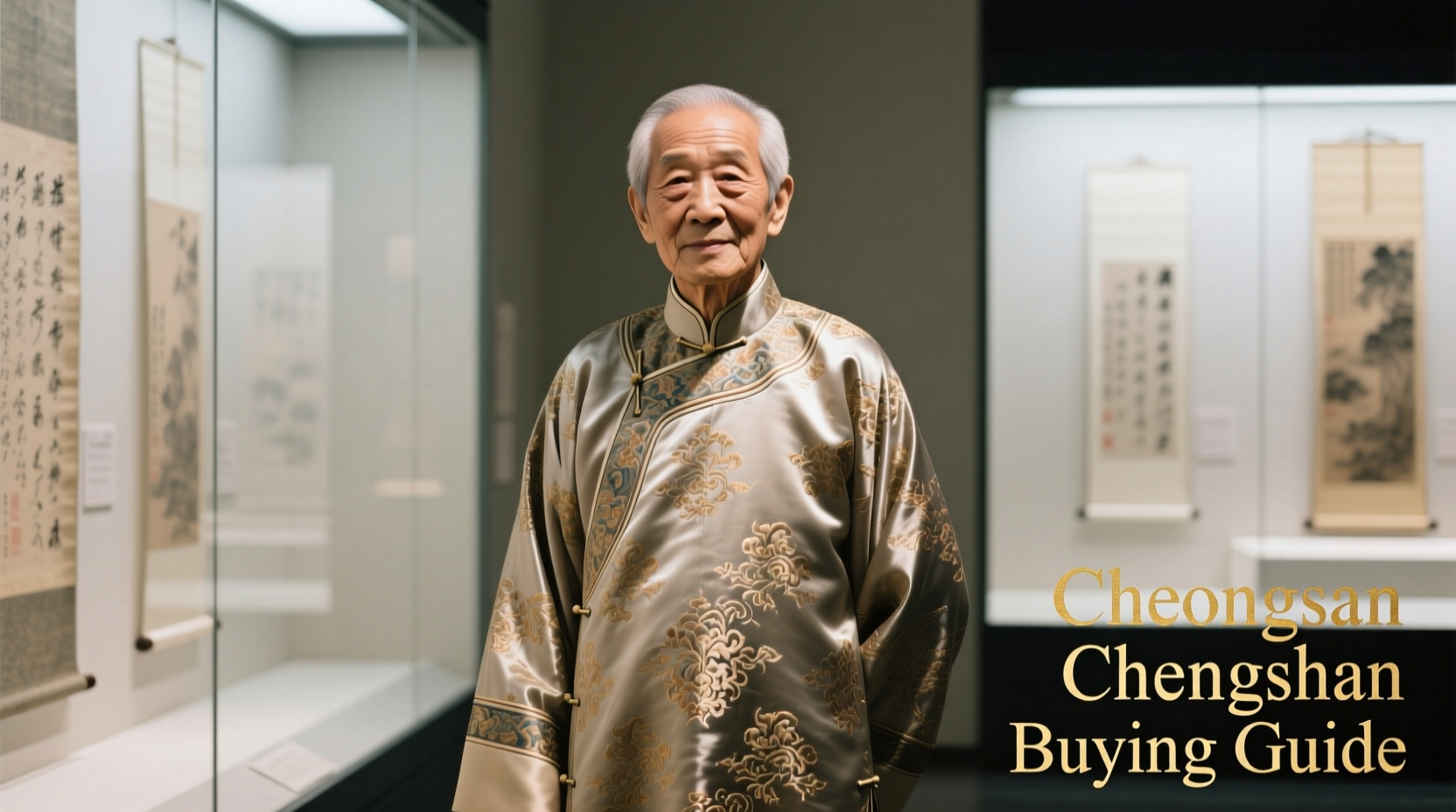
When global buyers search for a cheongsam male equivalent, they are navigating a fascinating linguistic crossover. In English, 'cheongsam' (derived from the Cantonese cheuhngsāam) is almost exclusively associated with the form-fitting women's dress. However, the literal translation of the word is simply 'long shirt' or 'long robe.' For men, the historically and culturally accurate terms are Changshan (Mandarin: 长衫, long robe) and Tangzhuang (唐装, Tang-style jacket).
As we move through 2026, the revival of traditional Chinese menswear—often categorized under the broader Hanfu and Xin Zhongshi (New Chinese Style) movements—has made the male cheongsam a highly sought-after garment for weddings, Lunar New Year celebrations, and high-culture events. This comprehensive buying guide will help you navigate the nuances of construction, fabric selection, and authentic tailoring to ensure your investment is both culturally respectful and impeccably fitted.
Anatomy of the Changshan: Construction & Details
Unlike the women's qipao, which is tailored to contour the body, the traditional male changshan is designed with a more structured, columnar silhouette that projects scholarly elegance and quiet authority. Understanding its anatomical details is crucial when communicating with a tailor.
The Mandarin Collar (Liling)
The standing collar, or liling, is the defining feature of the garment. For men, the collar should sit snugly against the base of the neck without choking, typically measuring between 3 to 4.5 centimeters in height. A well-constructed collar uses multiple layers of stiffened interlining to ensure it remains upright throughout the day, framing the jawline sharply.
Pankou (Frog Closures)
Instead of Western buttons, the changshan utilizes pankou—hand-knotted silk frog closures. While women's garments often feature elaborate floral or butterfly knots, menswear traditionally favors the yizikou (straight knot) or subtle geometric variations. These are not merely decorative; they are structural, bearing the tension of the garment's wrap. According to historical textile archives at the China National Silk Museum, the crafting of a single set of high-quality pankou can take a master artisan several hours.
The Side Slit (Kaicha)
While the women's cheongsam features high slits for mobility and aesthetics, the male changshan features modest side vents (usually two, sometimes four) that begin at the hip or upper thigh. These allow for ease of movement and sitting while maintaining a modest, unbroken vertical line when standing.
Fabric Selection by Season and Occasion
The drape, weight, and sheen of the fabric dictate the formality of the male cheongsam. In 2026, contemporary tailors are blending heritage textiles with modern durability. Below is a structured guide to selecting the right material.
| Fabric Type | Best Season | Characteristics & Drape | Price Tier (Bespoke) |
|---|---|---|---|
| Xiangyunsha (Gambiered Silk) | Summer / Humid | Matte finish, cooling, rustles softly. Dyed with plant tannins and river mud. | Premium ($1,500 - $3,500+) |
| Silk Jacquard Brocade | Winter / Formal | Heavy, structured, subtle tonal patterns. Ideal for weddings and galas. | High ($800 - $2,000) |
| Raw Linen / Hemp Blends | Spring / Summer | Breathable, textured, relaxed drape. Suited for tea ceremonies and casual wear. | Accessible ($400 - $900) |
| Wool-Cashmere Twill | Autumn / Winter | Warm, matte, sharp tailoring. Bridges traditional Chinese cut with Western warmth. | High ($1,000 - $2,500) |
Expert Note: Xiangyunsha is a UNESCO-recognized intangible cultural heritage fabric from Guangdong province. Its unique mud-dyeing process creates a dark, lustrous patina that is highly prized in menswear for its understated, non-reflective elegance. As noted by the Victoria and Albert Museum's Asian collections, the evolution of regional silk weaving techniques deeply informs the structural integrity of historical and modern Chinese robes.
Sizing, Fit, and Tailoring Protocols
A common mistake when purchasing a male cheongsam off-the-rack is treating it like a Western suit jacket. The changshan does not have darts or a suppressed waist. The fit should be evaluated on three axes:
- The Shoulder Seam: Unlike the drop-shoulder construction of ancient Hanfu, the modern changshan (influenced by 1920s Western tailoring) features a set-in sleeve. The shoulder seam must sit exactly at the acromion (the edge of your shoulder bone).
- The Chest and Torso: The garment should skim the chest and stomach without pulling at the pankou closures. If the fabric gaps open at the chest when you sit, the torso circumference is too tight.
- The Length: A traditional changshan (robe) falls to the mid-calf or just above the ankle. A tangzhuang (jacket) falls to the mid-hip. Ensure you specify which silhouette you are commissioning.
Where to Shop in 2026: Global & Bespoke Tailors
Finding authentic craftsmanship requires looking beyond mass-market costume shops. Whether you are in Asia or shopping globally from the diaspora, here is where to source a genuine male cheongsam.
Hong Kong: The Heritage Hub
Hong Kong remains the epicenter of mid-century Chinese tailoring. The Hong Kong Heritage Museum frequently documents the city's role in preserving the cheongsam and changshan trades post-1940s.
- House of Chong (Central): A legendary bespoke tailor specializing in traditional Chinese garments. Expect a 4-to-6-week fitting process and master-level pankou knotting. Prices start around $1,200 USD.
- Shanghai Tang (Global Retail): For accessible, luxury ready-to-wear. While they lean heavily into modern fusion, their silk jacquard Tangzhuang jackets ($400 - $800 USD) are excellent entry points for formal events.
Shanghai: The Modern Epicenter
- Changle Road Boutiques: This historic street is lined with bespoke ateliers. Shops like Ming Shi offer made-to-measure changshan utilizing premium Suzhou silks. Expect to pay $600 - $1,500 USD.
- Xiang Yun Sha Specialty Weavers: For the ultimate summer garment, seek out specialized dealers in the French Concession who import authentic gambiered Guangdong silk.
Online & Diaspora Artisans
If you cannot travel to Asia, several reputable online ateliers offer virtual consultations and remote measurements.
- Cathay Cheongsam (Online Bespoke): While famous for womenswear, their male division produces excellent made-to-measure changshan and Tangzhuang jackets, shipping globally with detailed measurement guides.
- Etsy Independent Makers: Search for artisans based in Taipei or Kuala Lumpur who specialize in 'Xin Zhongshi' menswear. Always verify that the seller uses natural fibers and hand-tied knots rather than glued, machine-made faux closures.
Cultural Etiquette and Styling the Changshan
Wearing a male cheongsam carries profound cultural weight. It is not a costume, but a living garment that connects the wearer to centuries of scholarly and philosophical tradition.
The Golden Rule of Wrapping: The front panel of the changshan must always wrap left over right (the wearer's left side crosses over their right side). In traditional Chinese culture, wrapping right over left is strictly reserved for dressing the deceased. Ensuring your tailor constructs the garment with the correct jiaoling youren (left-over-right) orientation is a non-negotiable mark of cultural respect.
Footwear and Accessories
The way you style the lower half of your outfit will anchor the garment in either tradition or modernity. For strict traditional events (like a tea ceremony or ancestral worship), pair the changshan with black cloth shoes (bu xie) or minimalist leather loafers. For contemporary formal events, a tailored pair of Oxford shoes or even pristine, minimalist white leather sneakers can create a striking, modern silhouette.
Accessories should remain subdued. A jade or agate thumb ring, a subtle silk pocket square (if wearing a Tangzhuang with a breast pocket), or a classic mechanical watch are sufficient. Avoid overly flashy metals that clash with the understated elegance of the silk or linen textiles.
Final Thoughts on Investment
A well-made male cheongsam is an investment in sartorial heritage. While a fast-fashion polyester Tangzhuang might cost $50 USD and suffocate you in a matter of hours, a bespoke changshan crafted from Xiangyunsha silk or wool-cashmere twill will last a lifetime, aging gracefully with the wearer. By understanding the terminology, respecting the construction, and choosing the right artisan, you ensure that your garment is a true testament to Asian textile mastery.