Lingerie Hanfu 2026: Silk Sleepwear Guide

The Intersection of Intimacy and Antiquity: Defining Lingerie Hanfu
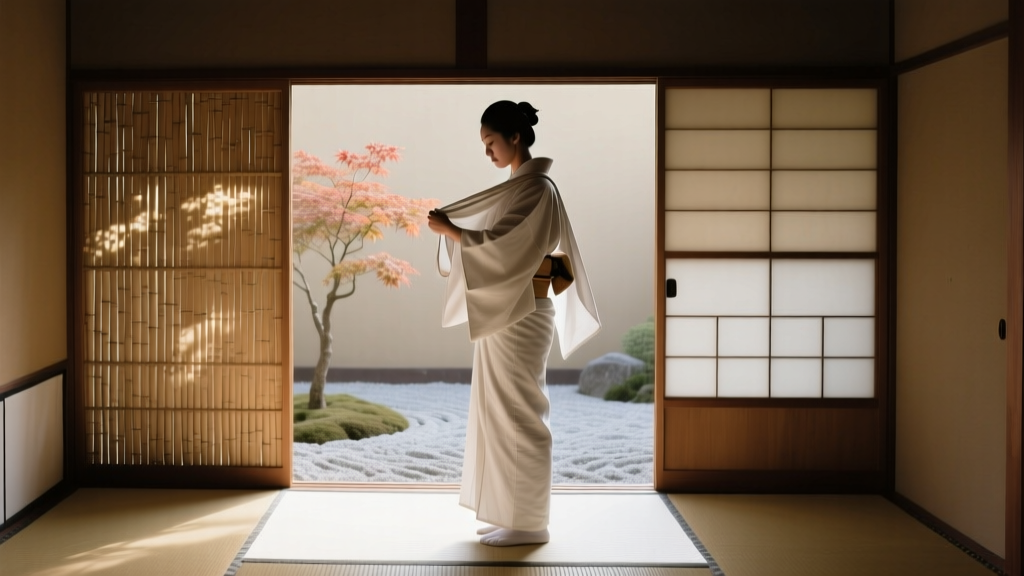
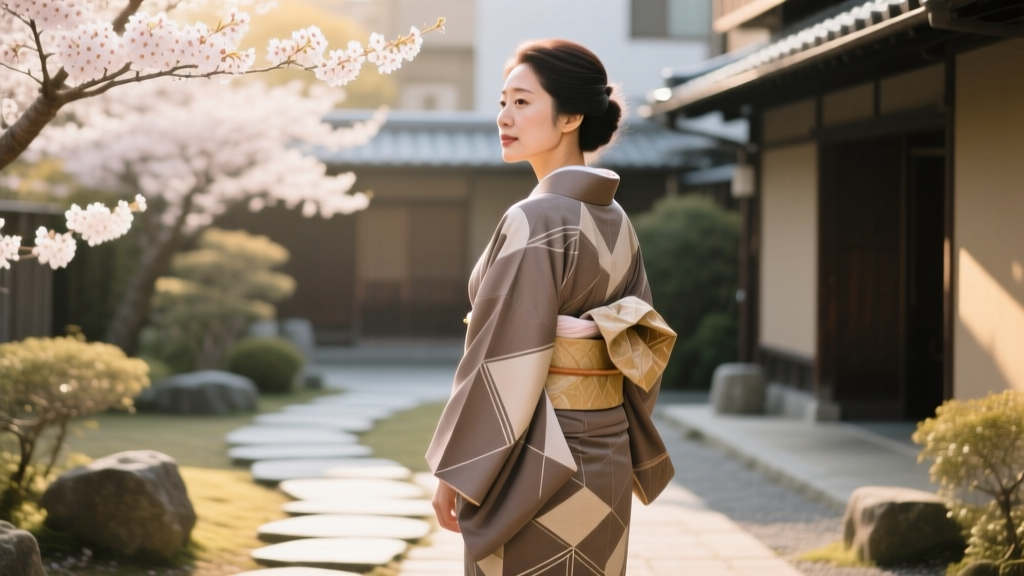
The term "lingerie hanfu" has rapidly emerged in the 2026 fashion and loungewear lexicon, representing a fascinating intersection between ancient Chinese sartorial traditions and modern intimate apparel. Unlike historical outer garments designed for public life, ceremonial duties, or court appearances, this modern category adapts the silhouettes, collars, and silk-weaving techniques of traditional Hanfu into sleepwear, boudoir sets, and private loungewear. For cultural garment enthusiasts and modern consumers alike, understanding this trend requires distinguishing between authentic historical undergarments and contemporary commercial adaptations.
Today’s lingerie hanfu is not a direct replica of ancient underwear. Instead, it is a stylistic homage that borrows the elegant drape of the jiaoling (cross-collar), the flowing sleeves of the Tang dynasty, and the minimalist slip silhouettes of the Song dynasty, translating them into luxurious, skin-friendly silk sleepwear. This guide compares the dominant varieties of lingerie hanfu on the market, explores their historical muses, and outlines the cultural protocols every wearer must know.
Historical Precedents: From Xieyi to the Modern Dudou
To appreciate modern lingerie hanfu, one must first look at historical Chinese intimates. In ancient China, undergarments were collectively referred to as xieyi (亵衣), a term that literally translates to "private" or "unrespectable" clothing, reflecting the Confucian emphasis on modesty and the strict separation between public presentation and private life. According to textile archives at the Victoria and Albert Museum, historical undergarments were rarely seen and were designed purely for function, warmth, and modesty beneath heavy layered robes.
The most iconic historical predecessor to modern lingerie hanfu is the dudou (肚兜), or "bellyband." Originating in the Ming and Qing dynasties, the dudou was a diamond or square-shaped piece of fabric tied around the neck and back, leaving the back bare. It was often heavily embroidered with auspicious symbols like peonies, bats, or lotus flowers to ward off evil and promote fertility. While the modern "lingerie hanfu" trend frequently borrows the halter-neck silhouette of the dudou, it elevates the garment using contemporary lingerie construction, French lace trims, and high-grade mulberry silk.
Comparing the Varieties: 3 Dominant Lingerie Hanfu Styles
The 2026 market for Hanfu-inspired sleepwear is broadly categorized into three distinct styles, each drawing from a different dynastic aesthetic. Below, we compare their construction, drape, and ideal use cases.
1. The Tang-Inspired Cross-Collar Silk Robe (Jiaoling Pao)
Drawing inspiration from the opulent Tang Dynasty (618–907 CE), this style is characterized by wide, flowing sleeves and a relaxed, floor-length or calf-length silhouette. Modern sleepwear brands adapt the traditional jiaoling pao (cross-collar robe) into a luxurious dressing gown or sleep robe. The fabric is typically a heavier 22-momme or 30-momme silk to provide warmth and a substantial drape. These robes often feature wide silk sashes rather than buttons, mimicking the historical method of tying garments. They are ideal for winter loungewear and offer a regal, cinematic aesthetic.
2. The Song-Style Slip Dress and Duster (Beizi Set)
The Song Dynasty (960–1279 CE) favored minimalism, intellectual elegance, and slender silhouettes. The lingerie hanfu interpretation of this era usually consists of a two-piece set: a delicate, spaghetti-strap silk slip dress paired with a sheer, open-front duster inspired by the beizi (a traditional cloak or overcoat). This variety is highly popular for summer sleepwear. The duster often features subtle, tonal Su embroidery (Suzhou embroidery) along the cuffs and hem. The lightweight 16-momme or 19-momme silk allows for breathability, making it a staple in modern luxury boudoir collections.
3. The Modernized Dudou Halter Bralette
This is the most direct translation of historical underwear into modern lingerie. The contemporary dudou bralette retains the classic halter-neck tie and the diamond-shaped front panel but incorporates modern structural elements. Designers often blend traditional silk brocade with elasticized back bands, underwire, or delicate eyelash lace. Some high-end artisan cooperatives in Suzhou produce limited-run dudou sets featuring hand-embroidered floral motifs that take dozens of hours to complete, bridging the gap between intimate apparel and wearable art.
Fabric Composition and Embroidery Techniques
The defining characteristic of premium lingerie hanfu is its fabric. Authentic pieces eschew synthetic satins in favor of 100% Grade 6A Mulberry silk. The weight of the silk, measured in momme (mm), dictates the garment’s opacity, durability, and feel against the skin. As documented by the China Silk Museum in Hangzhou, higher momme weights indicate a denser weave and greater longevity.
- 16-19 Momme: Lightweight, slightly sheer, and highly breathable. Used primarily for Song-style summer slips and delicate dusters.
- 22 Momme: The gold standard for luxury silk sleepwear. It offers a beautiful drape, moderate opacity, and a buttery texture against the skin. Ideal for Tang-style robes.
- 30 Momme: Heavy, opulent, and highly durable. Often used for structured dudou panels or winter-weight loungewear robes.
Embellishments often feature Su Xiu (Suzhou embroidery), renowned for its fine, split-silk threads and realistic shading. However, because sleepwear rests directly against the skin, high-quality lingerie hanfu brands utilize "flat embroidery" techniques or place embroidered motifs on the outer layers of dusters to prevent skin irritation.
Market Comparison: Price Ranges and Artisan Brands
The pricing for lingerie hanfu varies wildly depending on whether the piece is mass-produced using digital printing or handcrafted by artisans using traditional weaving and embroidery methods. Below is a comparative breakdown of the 2026 market.
| Style Variant | Historical Muse | Silk Weight | Average Price (USD) | Primary Use Case |
|---|---|---|---|---|
| Tang-Style Robe (Pao) | Tang Dynasty (618–907) | 22-30 Momme | $95 – $180 | Winter Loungewear / Robe |
| Song-Style Slip & Duster | Song Dynasty (960–1279) | 16-19 Momme | $70 – $130 | Summer Sleepwear |
| Modern Dudou Bralette | Ming/Qing Dudou | 19-22 Momme + Lace | $50 – $110 | Intimate Boudoir Wear |
| Artisan Embroidered Set | Multi-Dynastic | 22 Momme + Hand Su Xiu | $250 – $600+ | Collectible / Heirloom |
The Golden Rule of the Collar: Cultural Etiquette and Protocol
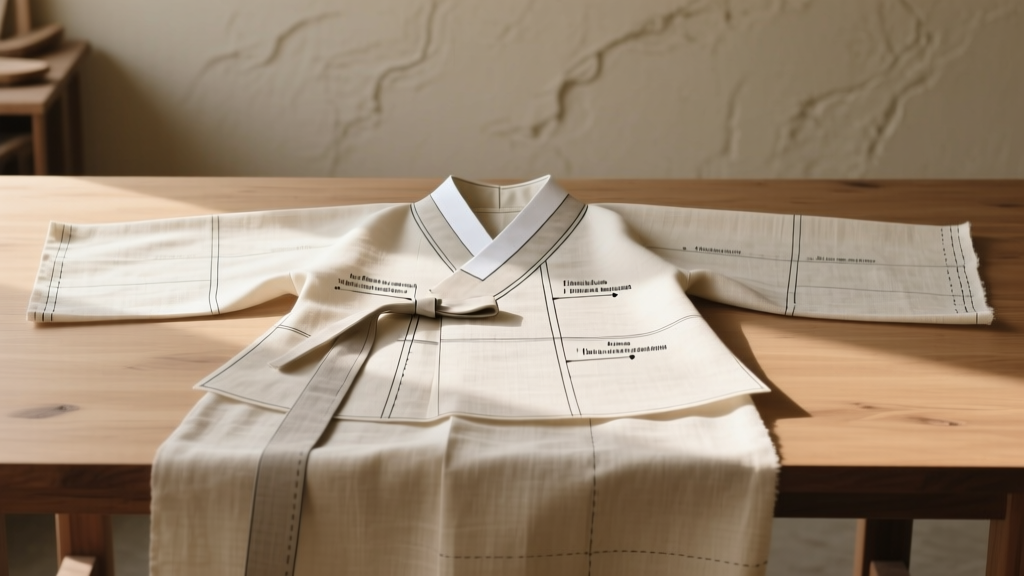
When purchasing or wearing any garment derived from Hanfu—even modern sleepwear or lingerie—cultural respect and historical accuracy regarding the collar are paramount. The foundational rule of Hanfu is jiaoling youren (交领右衽), which translates to "crossed collar, right lapel." This means the left side of the garment must always cross over the right side, wrapping toward the wearer’s right shoulder.
According to historical textile analyses from the Metropolitan Museum of Art, the opposite configuration—crossing the right lapel over the left (zuoren)—was strictly reserved for dressing the deceased for burial. Wearing a garment with the collar crossed the wrong way is considered highly inauspicious and deeply disrespectful in Chinese culture. When buying lingerie hanfu online, particularly from overseas vendors or fast-fashion platforms, buyers must carefully inspect product photos to ensure the manufacturer has correctly adhered to the youren (right lapel) standard. Reputable Hanfu sleepwear brands will explicitly state their adherence to traditional collar protocols in their product descriptions.
Styling and Caring for Silk Intimates
To maintain the structural integrity and historical elegance of lingerie hanfu, proper care is essential. Mulberry silk is a natural protein fiber that degrades when exposed to harsh alkaline detergents or high heat. Hand-washing in cool water with a pH-neutral silk wash is mandatory. When drying, these garments should never be wrung out; instead, they must be rolled in a clean towel to absorb excess moisture and laid flat away from direct sunlight to prevent the natural dyes from fading.
Ultimately, the lingerie hanfu movement of 2026 represents a beautiful synthesis of antiquity and modern comfort. By understanding the historical roots of the dudou, respecting the sacred geometry of the jiaoling youren collar, and investing in authentic mulberry silk, wearers can embrace a deeply cultural, luxurious approach to intimate apparel.