Korean Hanbok: Modern Revival and Fashion

Hanbok: Korea's Traditional Dress
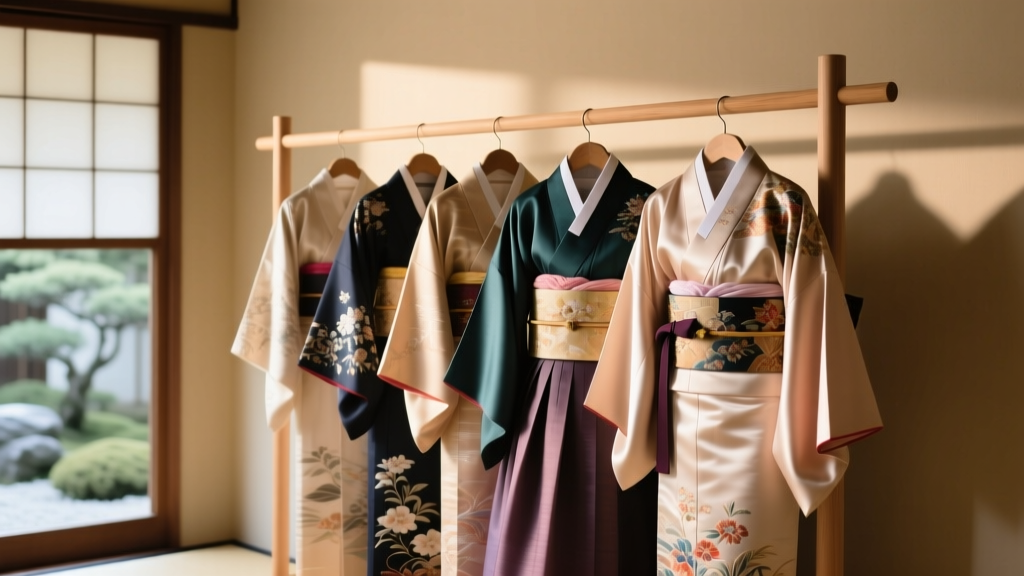
The hanbok is the traditional clothing of Korea, characterized by vibrant colors and simple lines without pockets. Worn daily until the early 20th century, the hanbok is now reserved for festivals, celebrations, and ceremonies.
Components of the Hanbok
- Jeogori: The upper garment (jacket), shorter for women than men, featuring long curved sleeves
- Chima: The full, floor-length wrap skirt worn by women
- Baji: Roomy pants worn by men
- Po: An overcoat or robe worn over the jeogori
Color Symbolism (Obangsaek)
Traditional hanbok colors follow the five cardinal colors of Korean cosmology: white (west/metal), black (north/water), blue (east/wood), red (south/fire), and yellow (center/earth). Color combinations indicated social status and marital status.
The Modern Hanbok Revival
Since the 2010s, a "new hanbok" movement has brought traditional elements into everyday fashion. Designers like Kim Young-Jin and brands like Leesle create modernized hanbok with shorter jeogori, practical fabrics, and contemporary silhouettes. K-pop stars wearing hanbok on stage have fueled global interest.
Renting and Wearing Hanbok
Tourists visiting Korean palaces can rent hanbok for free palace entry. The rental hanbok market has boomed near Gyeongbokgung and Changdeokgung palaces, offering visitors a culturally immersive experience with beautiful photo opportunities.