Korean Hanfu vs Hanbok: 2026 Buying Guide & Where to Shop

When international enthusiasts and collectors search for a 'Korean hanfu,' they are typically looking for the breathtaking traditional dress of Korea, correctly known as the Hanbok (한복). While China’s Hanfu (汉服) and Korea’s Hanbok share ancient sartorial roots and historical cross-pollination—particularly during the Goryeo and Joseon dynasties—they are distinct cultural garments with unique silhouettes, construction methods, and philosophical underpinnings. As global interest in Asian traditional garments surges in 2026, understanding these distinctions is vital for respectful purchasing and accurate cultural appreciation.
The Search for 'Korean Hanfu': Understanding the Cultural Distinction
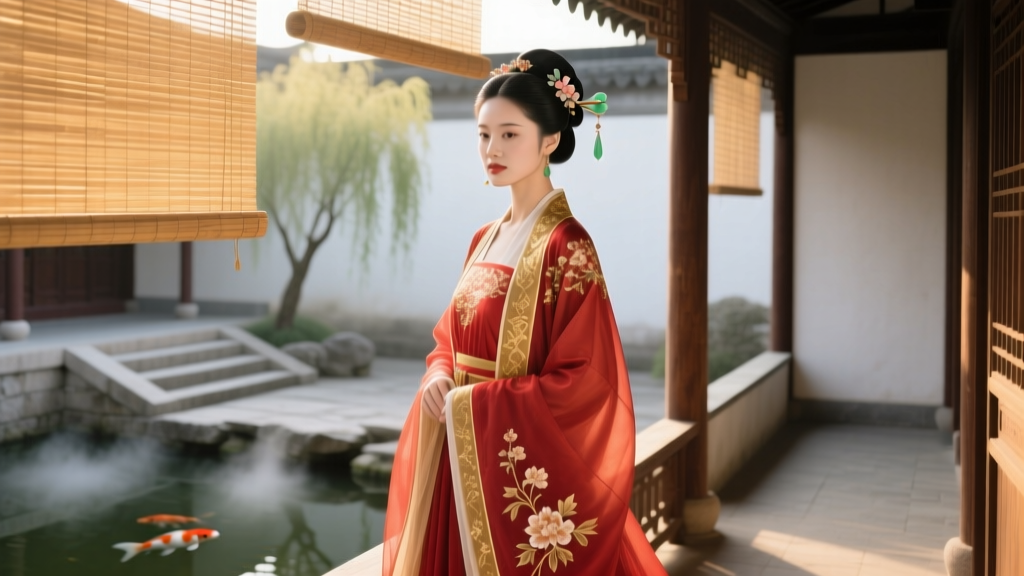
The term 'Hanfu' translates literally to 'Han clothing,' referring specifically to the historical dress of the Han Chinese. Conversely, 'Hanbok' translates to 'Korean clothing.' While historical trade and diplomatic relations introduced Chinese silk-weaving techniques and collar styles to the Korean peninsula, Korean artisans evolved these influences into a completely distinct sartorial language. Where traditional Hanfu often features cross-collars (jiaoling youren), wide flowing sleeves, and wrap-around skirts tied at the waist, the Hanbok is defined by its voluminous, high-waisted skirts, short bolero-style jackets, and intricate ribbon ties. Acknowledging this distinction ensures that buyers support the correct artisan communities and respect the unique heritage of Korean textile arts.
Core Components: Deconstructing the Traditional Silhouette
To buy an authentic garment, you must understand its anatomy. A traditional women’s Hanbok consists of several key elements, each requiring specific tailoring expertise:
- Jeogori (저고리): The short, cropped jacket. Unlike the long, flowing robes of Chinese Hanfu, the Jeogori ends just below the bust or ribs, creating the Hanbok's signature high-waisted illusion.
- Chima (치마): The full, wrap-around skirt. Authentic Chimae are constructed from multiple rectangular panels to create a bell-like volume without the use of Western-style pleating or petticoats.
- Dongjeong (동정): The crisp, white, detachable collar band attached to the Jeogori. It frames the face and provides a striking contrast against the vibrant colors of the silk.
- Goreum (고름): The long, flowing ribbon ties used to fasten the Jeogori. The art of tying the Goreum into the correct asymmetrical bow (Ot-goreum) is a cultural skill in itself.
- Baji (바지): For men, and worn underneath the Chima for women, these are roomy, tied trousers designed for floor-sitting culture.
Textile Heritage: Ramie, Silk, and Hemp
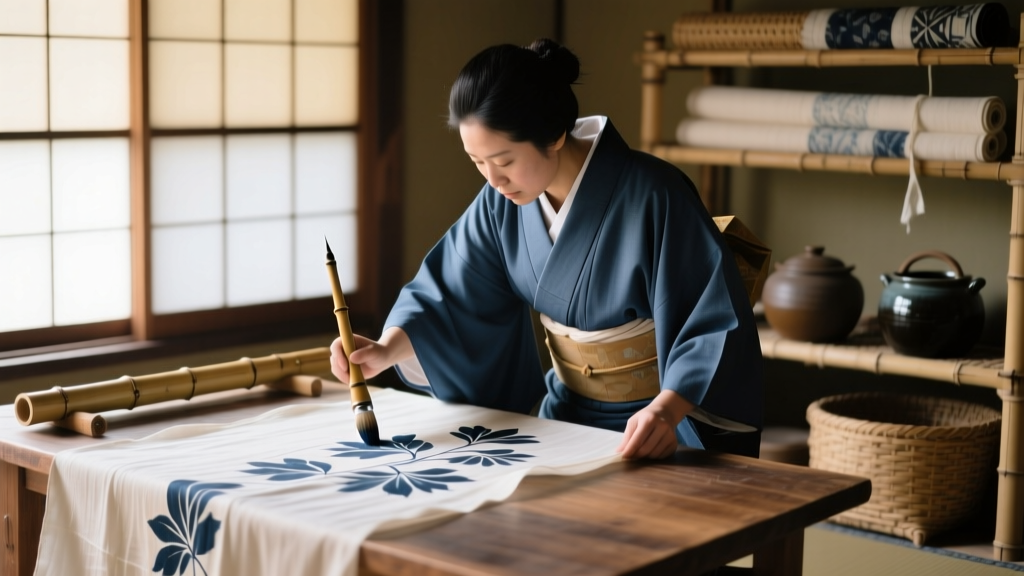
Authenticity in 2026 is defined by fabric composition. Mass-market costumes often rely on polyester blends, but true heritage garments utilize indigenous Korean textiles. According to the UNESCO Intangible Cultural Heritage registry, the weaving of Hansan Mosi (fine ramie) is a protected Korean tradition. Ramie is prized for summer Hanbok due to its crisp drape, breathability, and translucent quality. For formal and winter wear, Myeongju (native Korean silk) and Sambe (hemp) are the gold standards. The Korean Craft & Design Foundation (KCDF) actively promotes contemporary artisans who maintain these natural dyeing and weaving techniques, utilizing botanical dyes like indigo, gardenia yellow, and persimmon tannin.
2026 Sourcing Map: Where to Buy Authentic Garments
Finding a genuine Hanbok requires navigating both physical heritage districts and specialized digital ateliers. Here is where serious buyers should source their garments:
Physical Heritage Districts in South Korea
Insadong and Bukchon Hanok Village (Seoul): These neighborhoods are the epicenter of traditional crafts. Boutiques here specialize in custom-fitted, hand-sewn Hanbok. Look for shops displaying the 'Master Artisan' (Myeongjang) certification. Jeonju Hanok Village: Located in the cultural capital of the Joseon dynasty, Jeonju offers access to regional variations of the Hanbok, often featuring distinct artisanal knot-making (Maedeup) and natural dyeing workshops.
Contemporary Designers and Online Ateliers
For buyers outside of Korea, specialized online ateliers offer international shipping. Brands like Danha have revolutionized the market by blending historical Joseon silhouettes with modern wearability, famously dressing global K-pop icons. For museum-quality reproduction and historical accuracy, the National Museum of Korea's cultural product affiliates and specialized historical tailors like Lee Young Hee Hanbok Museum offer unparalleled access to archival-accurate patterns.
Investment Guide: Pricing and Construction Matrix
The price of a Hanbok varies wildly based on construction method, fabric origin, and artisan pedigree. Below is a 2026 market breakdown to help buyers set realistic budgets.
| Garment Tier | Construction & Fabric | Estimated Price (USD) | Best Use Case |
|---|---|---|---|
| Rental / Tourist Grade | Machine-sewn, polyester blends, synthetic dyes. | $15 - $40 (Rental) | Single-day photography, palace visits. |
| Ready-to-Wear (Modern Fusion) | Machine-sewn, cotton/linen blends, simplified Goreum. | $120 - $350 | Everyday wear, modern weddings, cultural events. |
| Bespoke Traditional | Hand-finished, Myeongju silk, natural dyes, custom Dongjeong. | $600 - $1,500 | Formal ceremonies, serious collectors, heirlooms. |
| Master Artisan (Myeongjang) | 100% hand-woven Hansan Mosi or raw silk, traditional Maedeup knots. | $2,500 - $8,000+ | Museum acquisition, high-end bridal, cultural preservation. |
Wearing Protocols and the Art of the Goreum Knot
Purchasing a Hanbok is only the first step; understanding how to wear it is a matter of cultural respect. The most critical protocol involves the crossing of the Jeogori. Like many East Asian garments, the Hanbok follows the rule of Left over Right for the living. The left panel of the jacket must always cross over the right panel. Reversing this (Right over Left) is strictly reserved for dressing the deceased for funerals. Wearing it incorrectly in public is considered a severe cultural faux pas.
Furthermore, the Ot-goreum (the ribbon tie) must be tied correctly. Unlike a standard symmetrical bow, the traditional Ot-goreum is an asymmetrical knot where the long end drapes elegantly down the right side of the skirt, while the short end is tucked or looped. The knot should sit slightly off-center, reflecting the Korean aesthetic philosophy of Yeonbaek (leaving space) and natural asymmetry.
Preservation and Storage Techniques
Authentic silk and ramie Hanbok require meticulous care. Never hang a Chima or Jeogori on standard wire hangers, as this distorts the shoulder lines and stretches the delicate Git (collar band). Garments should be folded along their natural seam lines, interleaved with acid-free tissue paper, and stored in breathable cotton bags or traditional paulownia wood boxes. Avoid direct sunlight, which will rapidly degrade botanical dyes like gardenia yellow and safflower red. By investing in proper preservation, buyers ensure these magnificent garments survive as living testaments to Korean textile history.