Is Kimono Japanese or Chinese? Origins & Symbolism Explained

The Direct Answer: Tracing the Kimono’s True Origins
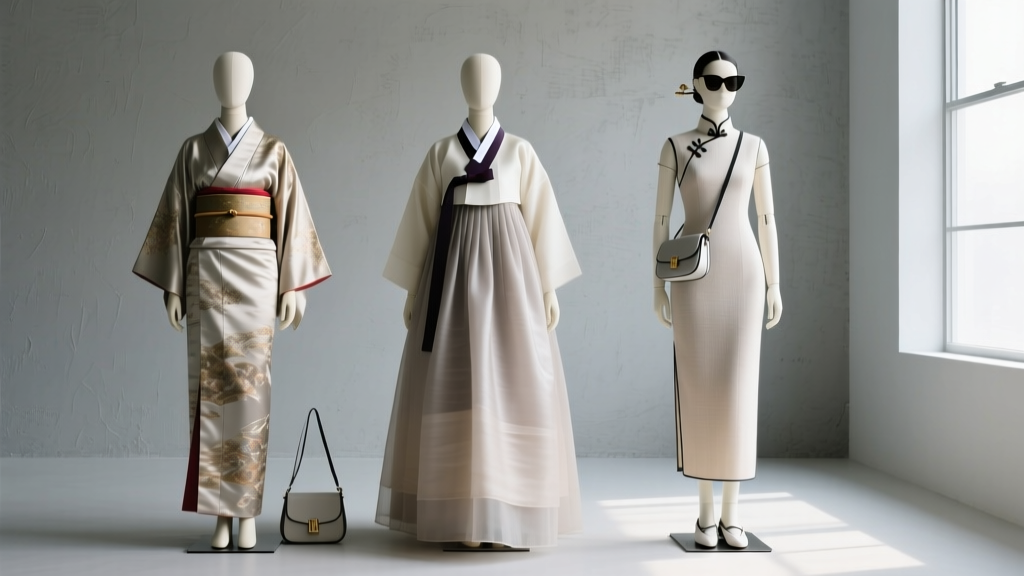
When exploring East Asian sartorial history, a frequent question arises among enthusiasts and collectors: is kimono japanese or chinese? The definitive answer is that the kimono is intrinsically and uniquely Japanese. However, the complete story is one of profound cultural exchange, adaptation, and eventual divergence. The word kimono (着物) simply translates to 'thing to wear' (ki meaning 'to wear' and mono meaning 'thing'). While its earliest ancestral roots can be traced back to the influence of Chinese clothing during the Nara period (710–794 CE), the garment evolved over centuries into a distinctly Japanese cultural artifact, governed by its own aesthetic philosophies, construction techniques, and symbolic language.
From Hanfu to Kosode: A Historical Divergence
To understand how the kimono became Japanese, we must look at the historical exchange between the two civilizations. During the Nara period, Japan heavily imported Chinese culture, including the hanfu (traditional Han Chinese clothing). Japanese courtiers adopted Chinese-style robes, characterized by flowing drapes, curved seams, and wide, sweeping sleeves.
The Heian Period and the Birth of the Kosode
The pivotal shift occurred during the Heian period (794–1185 CE). Japan ceased sending official envoys to Tang Dynasty China, leading to an era of cultural isolation and the flourishing of kokufu bunka (national culture). Stripped of direct Chinese influence, Japanese artisans began to adapt clothing to their own climate and lifestyle. The kosode (小袖), meaning 'small sleeves,' emerged as an undergarment for the aristocracy and the primary outer garment for commoners. Unlike the wide-sleeved Chinese robes, the kosode featured narrow wrist openings, straight seams, and a T-shaped silhouette. By the Edo period (1603–1867), the kosode had evolved into what the world now recognizes as the modern kimono.
The Structural Shift: T-Shaped Seams vs. Flowing Drapes
The most definitive way to distinguish a Japanese kimono from traditional Chinese garments like the hanfu or the later qipao is through its structural anatomy. The kimono is a triumph of geometric construction rather than tailored fitting.
- The Tanmono System: Traditional kimonos are constructed from a single bolt of fabric called a tanmono, which measures approximately 36 centimeters (14 inches) in width and 11 meters in length.
- Straight Line Construction: Unlike Western or Chinese tailored clothing that uses curved seams to contour to the human body, the kimono is cut in straight lines. This ensures that no fabric is wasted and allows the garment to be easily disassembled, washed, and resewn.
- The Collar and Fastening: The kimono is always wrapped left over right (right over left is strictly reserved for dressing the deceased) and secured with a wide, elaborate sash known as an obi. Chinese garments traditionally utilize knot buttons, frog closures, or narrower silk sashes.
Decoding the Canvas: Japanese Symbolism in Kimono Motifs
Beyond its structure, the kimono serves as a wearable canvas reflecting Japanese philosophy, seasonal awareness, and social status. The motifs dyed or woven into the silk are never merely decorative; they are deeply codified symbols.
Nature and the Seasons (Shun)
Japanese culture places immense importance on shun (seasonality). Wearing a motif out of season is considered a faux pas. Sakura (cherry blossoms) are worn in early spring to reflect mono no aware (the bittersweet transience of life). Momiji (autumn maple leaves) and kiku (chrysanthemums) are reserved for autumn, symbolizing endurance and nobility.
Auspicious Creatures and Mythology
For weddings and coming-of-age ceremonies, kimonos feature kissho (auspicious) patterns. The tsuru (crane) is a staple of bridal uchikake (outer robes), symbolizing longevity and fidelity, as cranes are believed to mate for life. The shochikubai motif—a combination of pine (sho), bamboo (chiku), and plum (bai)—represents resilience, prosperity, and perseverance through harsh winters.
'The kimono is not merely a garment; it is a reflection of the Japanese soul, mapping the changing of the seasons and the deepest wishes of the wearer upon a canvas of silk.' — Curatorial Department, Kyoto National Museum.
Comparative Analysis: Kimono vs. Traditional Chinese Garments
To further clarify the distinctions for collectors and historians, the table below outlines the primary differences between the Japanese kimono, traditional Chinese hanfu, and the modern qipao (cheongsam).
| Feature | Japanese Kimono | Chinese Hanfu (Historical) | Chinese Qipao (Modern) |
|---|---|---|---|
| Silhouette | T-shaped, straight, tubular | Flowing, layered, draped | Form-fitting, tailored, curved |
| Sleeves | Rectangular, attached at straight seams | Curved attachment, wide sweeping | Short or cap sleeves, set-in |
| Fastening | Wide Obi sash, no buttons | Silk sashes, woven belts | Pankou (frog buttons), side slits |
| Collar | Thick, folded, left over right | Cross collar, left over right | Mandarin collar, high neck |
| Primary Era | Heian to Edo (794–1868) | Han to Ming (206 BCE–1644) | 1920s Shanghai to Present |
Wearing the Meaning: Cultural Protocols and Modern Context
Understanding whether a kimono is Japanese or Chinese is only the first step; knowing how to acquire and respect the garment is crucial for modern enthusiasts. The market for authentic kimonos is vast, ranging from accessible vintage pieces to high-end artisan commissions.
Buying Guides and Price Ranges
- Vintage Silk Kimono (Recycle Shops): In Tokyo's Oedo Antique Market or Kyoto's Tenjin-san flea market, you can find beautiful, pre-owned silk kimonos ranging from ¥3,000 to ¥15,000 JPY ($20 to $100 USD). These are excellent for styling as modern outerwear or for textile study.
- New Artisan Komon (Everyday Patterns): A brand-new, casual silk kimono with repeating patterns, tailored to your measurements, will cost between ¥100,000 and ¥300,000 JPY ($650 to $2,000 USD).
- Furisode and Bridal Uchikake: Formal, long-sleeved garments featuring heavy embroidery, gold leaf (surihaku), and hand-painted yunzen dyeing techniques start at ¥500,000 JPY ($3,300 USD) and can exceed ¥3,000,000 JPY ($20,000 USD) for master-crafted pieces.
Cultural Sensitivity and Styling
When wearing a kimono outside of Japan, it is vital to respect the garment's structural integrity. Avoid cutting or permanently altering vintage silk. If you wish to incorporate it into contemporary fashion, wear it open like a duster coat over modern attire, or invest in a haori (kimono jacket), which is structurally designed to be worn open and layered. Never use the term 'Chinese dress' when referring to a kimono, as it erases the centuries of distinct Japanese artisanal evolution that separates it from its mainland neighbors.
Authoritative Sources and Further Reading
For those wishing to study the divergence of East Asian textiles and the deep symbolism of Japanese garments, the following institutions offer unparalleled archival access:
- The Victoria and Albert Museum (V&A): Their extensive Asian textile department provides incredible insights into the Edo-period kimono and the evolution of the kosode. Explore their digital archives at The V&A Kimono Collection.
- The Metropolitan Museum of Art: The Met's Heilbrunn Timeline of Art History features comprehensive essays on Japanese dress and the aesthetic shifts of the Edo period. Read more at Met Museum: Kimono Essay.
- Kyoto National Museum: As the custodian of Japan's most significant historical textiles, their exhibitions frequently highlight the shozoku (court garments) and the transition to Edo-period street fashion. Visit their English portal at Kyoto National Museum.