Kimono Dress Chinese Fusion: Care & Maintenance Guide
Decoding the 'Kimono Dress Chinese' Search Trend
When Western consumers and fashion enthusiasts search for a kimono dress chinese style, they are usually navigating a fascinating intersection of Eastern silhouettes and modern global fashion. Strictly speaking, the kimono is a traditional Japanese garment characterized by its T-shaped, straight-lined construction and wide sleeves (sode). Chinese traditional garments, collectively known as Hanfu, feature distinct constructions such as the cross-collar (jiaoling youren) and tied sashes, while the form-fitting Qipao (or cheongsam) represents a completely different 20th-century sartorial evolution.
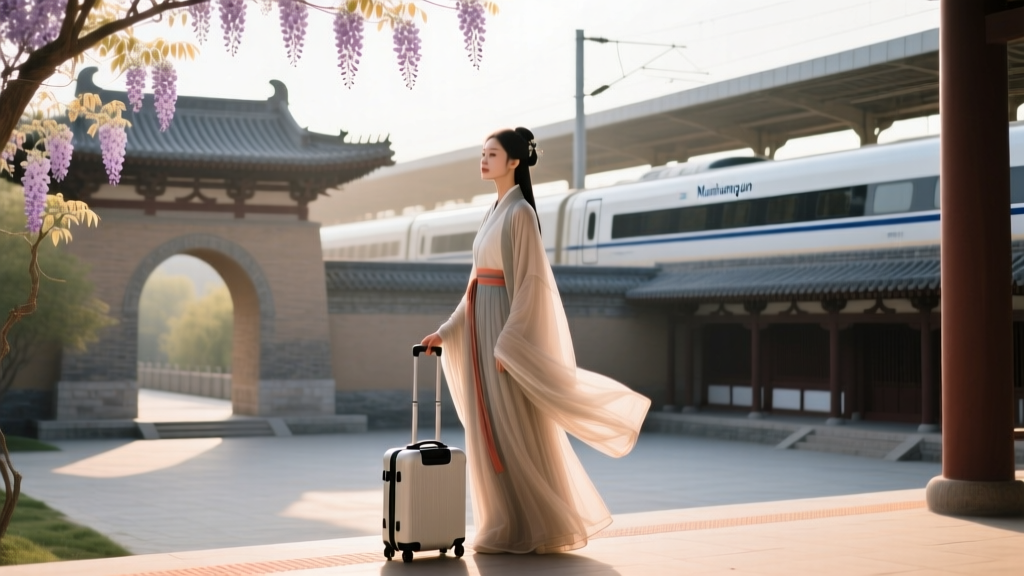
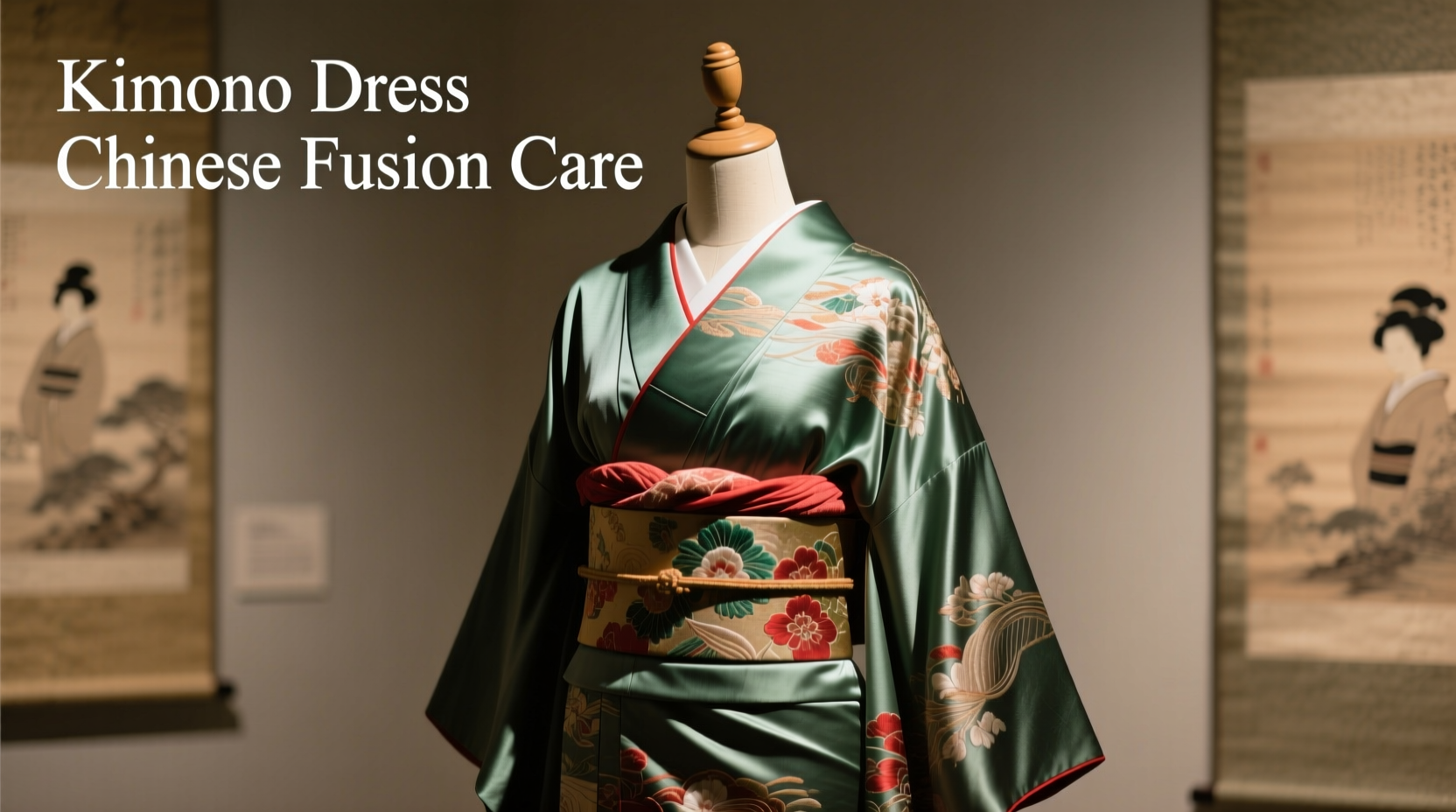
However, the modern fashion landscape has birthed a beautiful category of Sino-Japanese fusion wear. These garments often combine the sweeping, wide-sleeved architecture of the Japanese kimono or the Tang Dynasty Daxiushan with Chinese silk brocades (zhijin), mandarin collars, or traditional auspicious embroidery. Whether you own an authentic vintage Japanese kimono, a flowing Chinese Beizi (a Song Dynasty open-front coat often mistaken for a kimono by Western buyers), or a contemporary fusion wrap dress, the care protocols for these delicate, wide-sleeved silk garments remain universally rigorous.
'Textile conservation is not merely about cleaning; it is about stabilizing the structural integrity of the weave and respecting the cultural lineage embedded in the fibers.' — Conservation Department, Metropolitan Museum of Art
Fabric Architecture: Understanding Your Silk Weights
Before applying water or heat to your garment, you must identify the fabric composition. Asian silk garments are typically measured in momme (mm), a unit of weight that dictates the fabric's density, drape, and durability.
- 12-16 Momme (Lightweight Silk/Chiffon): Often used for the inner linings (juban) or sheer summer garments. Highly susceptible to water spotting and tearing.
- 19-22 Momme (Crepe de Chine / Chirimen): The standard for high-quality fusion dresses and everyday Hanfu. Offers a beautiful drape but requires gentle handling to prevent fiber breakage.
- 30+ Momme (Heavy Brocade / Xiangyunsha): Used for ceremonial outerwear. Xiangyunsha (Gambiered Canton Gauze) is a highly prized Chinese 'mud silk' dyed with yam juice and river mud. It is naturally water-resistant but highly sensitive to alkaline detergents.
The Cleaning Matrix: Wash, Spot, or Professional Clean?
Misjudging the cleaning method can cause irreversible shrinkage or bleed dyes. Use the following decision matrix to determine the safest maintenance route for your garment.
| Fabric / Garment Type | Recommended Method | Estimated Cost (USD) | Risk Factor |
|---|---|---|---|
| Unlined Crepe de Chine (19mm) | Handwash (pH-neutral) | $15 (Detergent) | Low (if done correctly) |
| Heavy Brocade / Lined Fusion Dress | Specialist Dry Clean | $65 - $150 | High (if using standard chemicals) |
| Xiangyunsha (Mud Silk) | Spot Clean / Air Out | $0 - $40 | Extreme (alkaline destroys coating) |
| Vintage Silk with Metallic Threads | Museum-grade Conservation | $200+ | Moderate (metallic oxidation) |
The Art of Handwashing: A Protocol for Delicate Silks
If your garment's care label and fabric weight permit handwashing, you must abandon Western laundry habits. Agitation is the enemy of silk fibers.
Step 1: The pH-Neutral Bath
Fill a clean basin with cool water (never exceeding 20°C / 68°F). Add a specialized, pH-neutral silk wash like Eucalan or a mild baby shampoo. Standard alkaline laundry detergents will strip the natural sericin from the silk fibers, leaving them brittle and dull.
Step 2: The Submersion and Press
Submerge the garment. Do not rub, twist, or wring the fabric. Instead, gently press the water through the fibers using a plunging motion. Allow it to soak for no more than 3 to 5 minutes. Prolonged soaking can cause natural dyes (like indigo or madder root) to bleed.
Step 3: The Towel Roll Technique
Drain the soapy water and refill with cool water and a splash of white vinegar (to restore the silk's natural acidity and luster). After the final rinse, lift the heavy, wet garment—supporting its entire weight so the seams do not stretch. Lay it flat on a clean, dry, colorfast bath towel. Roll the towel up like a sleeping bag to gently press out excess moisture. Never use a mechanical wringer.
Storage Architecture: Protecting Wide Sleeves and Collars
The structural hallmark of both the Japanese kimono and the Chinese Daxiushan is the expansive sleeve. Improper hanging will cause the shoulder seams to distort and the heavy silk to tear under its own weight.
The Tatami Folding Method
These garments are designed to be folded, not hung. Utilize the traditional tatami folding method (or the Hanfu equivalent flat-fold), which aligns the seams and distributes the fabric's weight evenly. Place acid-free, unbuffered tissue paper between the folds to prevent permanent creasing and to absorb ambient moisture.
Paulownia Wood vs. Plastic
Never store silk in plastic garment bags; plastic traps off-gassing chemicals and moisture, leading to yellowing and mildew. For long-term storage, invest in a kiri-bako (a traditional Japanese paulownia wood box) or a Chinese camphor wood chest. According to textile preservation guidelines from the Victoria and Albert Museum, natural wood chests regulate humidity and repel insects without the use of toxic chemical mothballs, which can permanently stain silk.
Ironing and Steaming: Preserving Structural Seams
When it is time to wear your fusion dress or Hanfu, removing wrinkles requires precision. Direct heat will scorch silk and melt synthetic lining threads.
- Steaming: A handheld steamer is preferred for wide sleeves and heavily embroidered collars. Hold the steamer nozzle at least 4 inches away from the fabric to prevent water spots.
- Ironing: If you must use an iron, set it to the lowest 'Silk' setting. Turn the garment inside out and use a cotton pressing cloth as a barrier. Never use the steam burst function on an iron, as it can spit boiling water onto the delicate brocade.
Cultural Preservation and the Living Tradition
Caring for a garment that bridges Chinese and Japanese sartorial traditions is an act of cultural preservation. The silk weavers of Suzhou and the dyers of Kyoto rely on the continued appreciation of these garments to keep their ancestral techniques alive. By investing the time to properly wash, fold, and store your silk dresses, you are not merely maintaining a piece of clothing; you are acting as a custodian of Asian textile history. For those seeking deeper knowledge on the evolution of Eastern silk weaving, the China National Silk Museum in Hangzhou offers extensive digital archives on the historical trade routes and loom technologies that made these breathtaking garments possible.