Japanese Kimono: Formal Dressing Rules
Noah Tanaka·Published

Kimono Formality: A Complete Dressing Guide
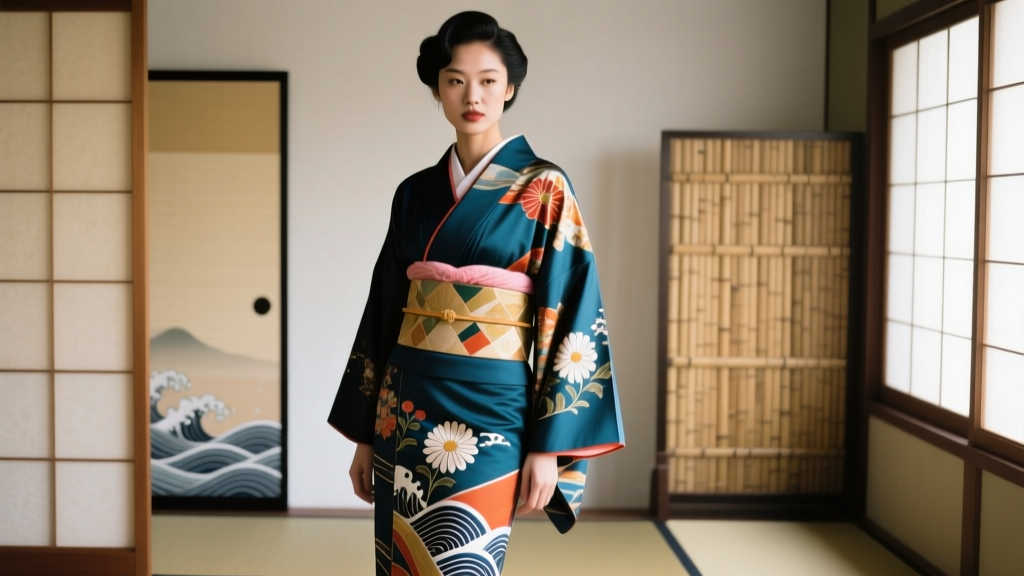
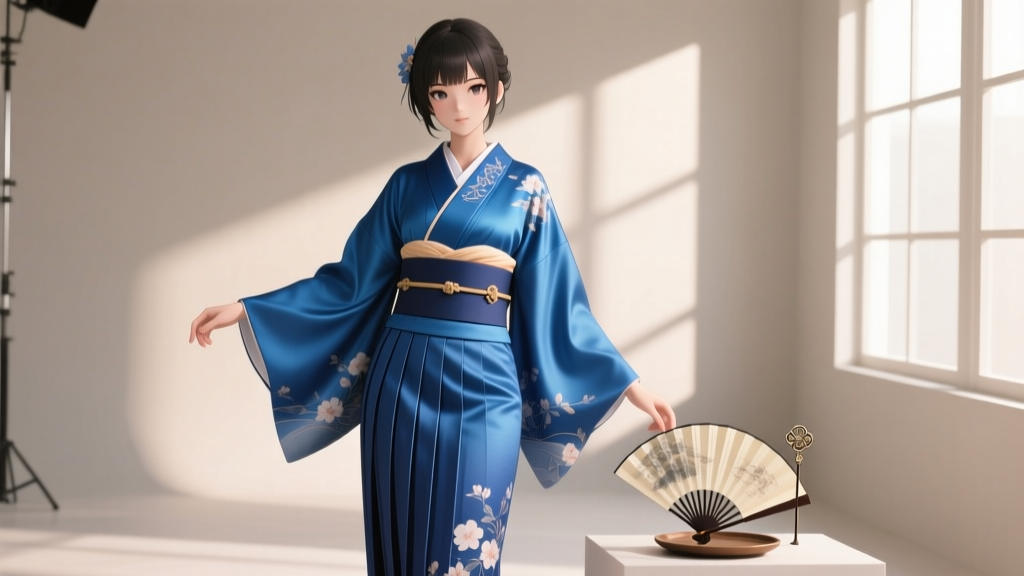
The Japanese kimono operates on a strict hierarchy of formality — from the most casual yukata (cotton summer robe) to the supremely formal uchikake (bridal outer robe). Understanding these levels ensures appropriate wear for any occasion and avoids the cultural faux pas of overdressing or underdressing.
Formality Levels (Lowest to Highest)
- Yukata: Unlined cotton, worn at summer festivals and hot springs. No tabi socks required.
- Komon: Small repeating pattern all over. Casual daily wear.
- Tsumugi: Pongee silk with woven patterns. Semi-formal "town wear" (machigi).
- Tsukesage: Pattern below waist only. Appropriate for tea ceremonies and casual parties.
- Hōmongi: Pattern flows across seams. Formal visiting wear for weddings and events.
- Furisode: Long-swinging sleeves (100+ cm). Worn by unmarried women at coming-of-age ceremonies.
- Tomesode: Pattern below waist, family crests. Most formal for married women.
- Uchikake: Padded bridal robe, worn trailing on the floor.
Essential Dressing Rules
- Left over right: Always wrap the left panel over the right. Right-over-left is reserved for the deceased.
- Obi knot: The complexity and size of the back knot indicates formality. A simple otaiko drum knot for visiting; elaborate fukura-suzume for coming-of-age.
- Collar: Show exactly 2 cm of the under-kimono collar (han-eri) at the back of the neck.
Seasonal Awareness
Kimono patterns and colors must match the season. Cherry blossoms in March-April, maple leaves in October-November, snow crystals in December-January. Wearing seasonal motifs out of season is considered a significant error in kimono etiquette.