Indonesian Ikat: Weaving Techniques Guide

Ikat: Indonesia's Tie-Dye Weaving Mastery
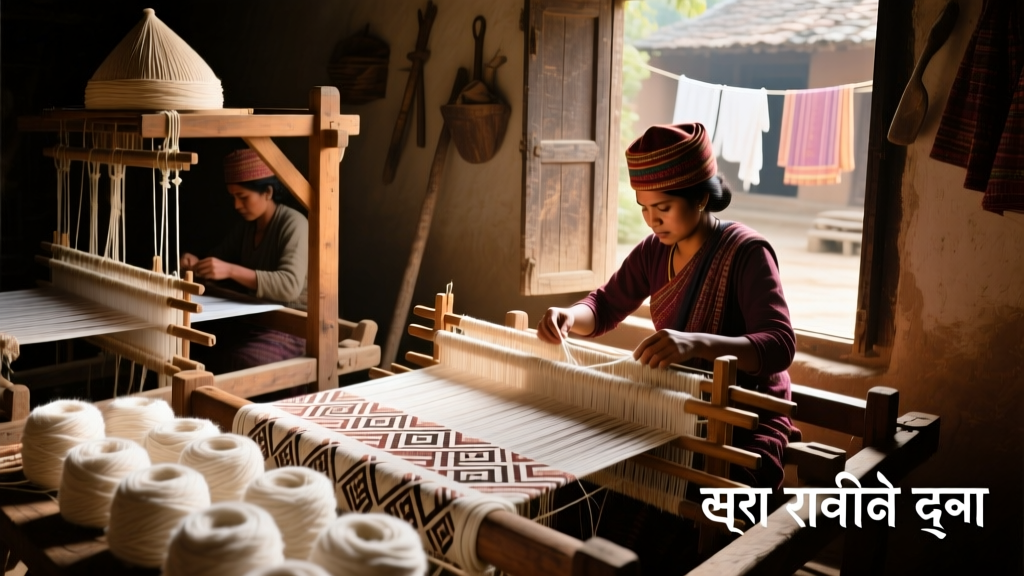
Ikat (from the Indonesian/Malay word mengikat, meaning "to tie") is one of the world's most complex textile techniques. Unlike other patterned fabrics where designs are printed or embroidered onto finished cloth, ikat patterns are created by dyeing the threads before weaving — a process that demands extraordinary precision and can take months to complete a single cloth.
Three Types of Ikat
- Warp ikat (ikat losen): Only the lengthwise (warp) threads are tie-dyed. The weft is solid color. Most common in Sumba, Flores, and Timor.
- Weft ikat: Only the crosswise (weft) threads are dyed. Produces softer, more fluid patterns. Found in Jepara (Java) and parts of Sumatra.
- Double ikat: Both warp and weft threads are pre-dyed, and the pattern emerges only when they intersect during weaving. The rarest and most difficult — produced only in Tenganan (Bali), India (Patola), and Japan (Oshima).
The Dyeing Process
Bundles of threads are tightly bound with palm-leaf strips to resist dye penetration. After the first dye bath, sections are unbound and rebound for subsequent colors. Natural dyes include:
- Indigo (from Indigofera tinctoria): Deep blue, the most prized color
- Mengkudu (from Morinda citrifolia root): Rich red to brown
- Turmeric: Yellow (often overdyed with indigo to create green)
Regional Masterpieces
Sumba produces dramatic warp ikat featuring skull trees, crocodiles, and ancestor figures. Flores (particularly the Lio and Ende regions) creates intricate geometric ikat with fine detail. Bali's Tenganan village produces the legendary geringsing double ikat — cloths believed to have supernatural protective powers.
Preservation Challenges
Synthetic dyes and machine-made imitations threaten traditional ikat. Organizations like Threads of Life in Ubud work with 1,000+ weavers across 12 Indonesian islands to maintain natural dye practices and fair-trade pricing for authentic handwoven ikat.