Indian Bandhani Tie-Dye: A Living Craft
Introduction
Bandhani, from the Sanskrit word "bandh" meaning to tie, is one of the world's oldest tie-dye traditions. Originating in the deserts of Gujarat and Rajasthan over 5,000 years ago, this craft transforms plain fabric into intricate constellations of color.
The Tie-Dye Process
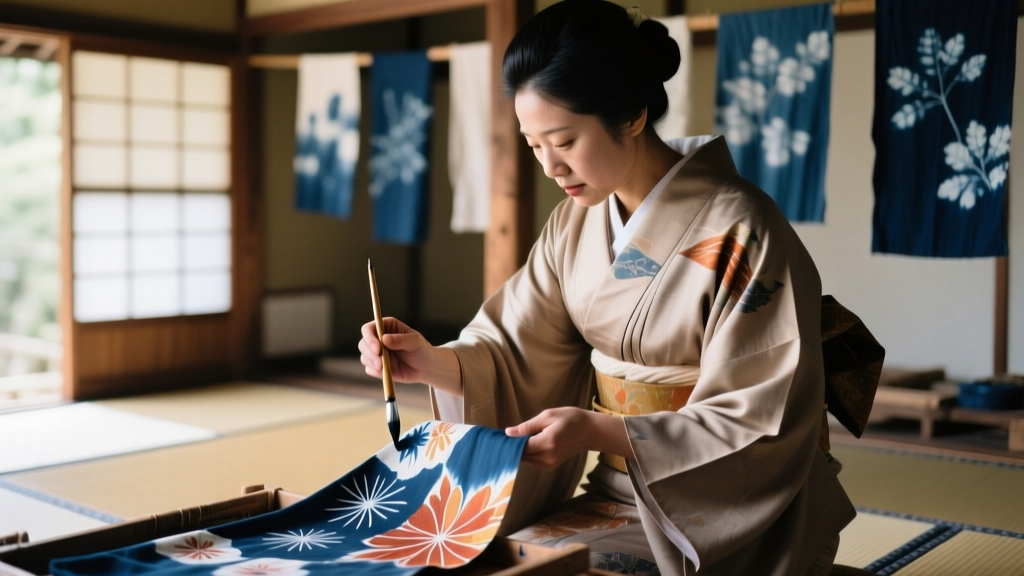
Artisans pinch tiny portions of fabric and bind them tightly with thread before dyeing. Each tied point resists the dye, creating a white dot when untied. A single sari can contain thousands of these microscopic ties, requiring days of meticulous handwork.
Traditional Patterns and Their Names
Bandhani patterns carry evocative names that reflect nature and daily life. The most prized designs include:
- Chandrakala — moon-shaped dots arranged in crescents
- Shikari — hunter motifs with animal figures
- Bhat — rice-grain shaped dots in geometric grids
- Ekdali — single large dot surrounded by smaller ones
- Dungar Shahi — mountain-like triangular patterns
Colors and Regional Variations
Gujarati Bandhani favors bright reds, greens, and yellows on fine silk or cotton. Rajasthani Bandhani often uses deeper indigo, saffron, and maroon. The Khatri community of Kutch specializes in the finest work, with dots small enough to resemble pinpricks.
Conclusion
Modern fashion designers are rediscovering Bandhani's versatility, incorporating it into contemporary silhouettes while preserving the hand-tied technique. Supporting authentic Bandhani artisans ensures this 5,000-year-old craft continues to thrive.