How to Wear a Male Yukata: Symbolism, Rules & Styling Guide
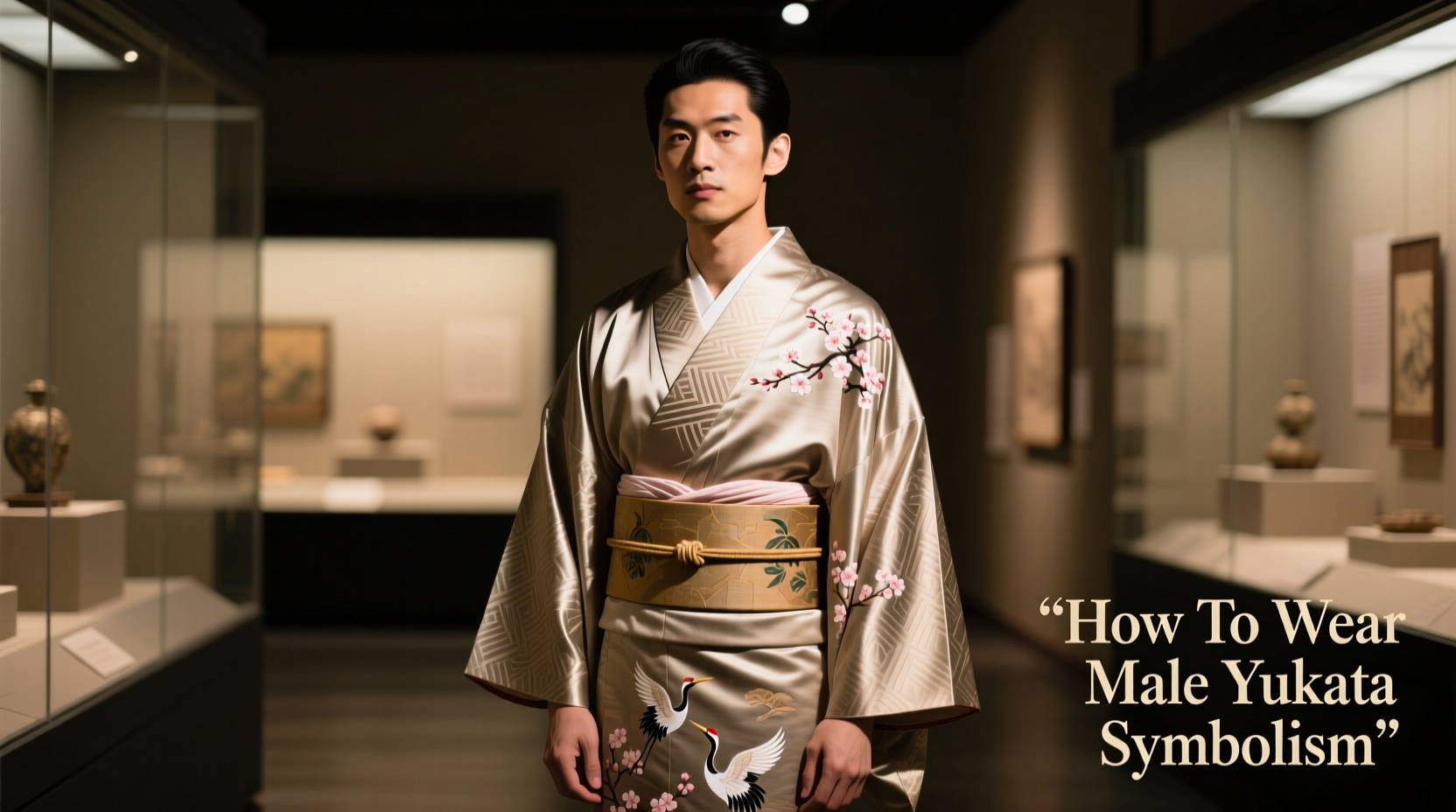
The Philosophy of the Male Yukata: More Than Summer Loungewear
When exploring traditional Japanese summer attire, understanding how to wear a male yukata requires looking beyond mere fabric and thread. Often mistakenly dismissed by Western observers as simple pajamas or casual loungewear, the male yukata (浴衣) is a garment deeply embedded in the socio-cultural fabric of Japan. Originating in the Heian period (794–1185) as the yu-katabira—a thin hemp robe worn by nobility to absorb moisture after bathing—it evolved during the Edo period (1603–1867) into the ubiquitous cotton summer wear of the samurai class and urban commoners alike.
For men, the yukata is an exercise in restrained elegance. Unlike the vibrant, heavily brocaded female counterparts that rely on elaborate obi bows and bright accessories, the male yukata communicates status, regional pride, and personal philosophy through subtle fabric textures, indigo dyeing techniques, and the precise geometry of its wrap. To wear it correctly is to participate in a living tradition that values harmony, respect for the seasons, and an understanding of historical protocol.
Decoding the Garment: Fabric, Patterns, and Hidden Meanings
Before learning the physical mechanics of wrapping the garment, one must understand the canvas. The symbolism of a male yukata begins with its textile. According to the Victoria and Albert Museum's Asian Collections, the shift from hemp to cotton in the 17th century democratized the garment, but the methods of dyeing remained heavily codified with meaning.
Aizome (Indigo) and the Samurai Legacy
The most traditional and revered color for a male yukata is aizome (natural indigo). Historically, indigo was prized not just for its striking, deep blue hue, but for its functional properties: it repels insects, masks sweat stains, and possesses mild antibacterial qualities. Symbolically, indigo represents purity, resilience, and a connection to the working-class ethos that even high-ranking samurai adopted during their off-duty hours in Edo (modern-day Tokyo). A high-quality, hand-dipped indigo yukata darkens with age and wear, developing a unique patina that reflects the wearer's personal history.
Motif Symbolism: Asanoha and Kurume-Gasuri
Male yukata patterns are rarely floral or overtly decorative. Instead, they rely on geometric and nature-inspired motifs that carry profound philosophical weight:
- Asanoha (麻の葉): The hemp leaf pattern is a geometric starburst. Hemp grows remarkably fast and straight, making this motif a symbol of vigorous growth, health, and masculine resilience. It is often worn by young men or fathers wishing for the healthy development of their sons.
- Kurume-Gasuri (久留米絣): Originating from Fukuoka Prefecture, this intricate ikat weaving technique creates blurred, splash-like white patterns on indigo cotton. The motifs often depict cranes (longevity), tortoises (wisdom), or abstract geometric grids. Wearing Kurume-gasuri signals an appreciation for artisanal heritage and regional craftsmanship.
- Shibori (絞り): Tie-dye techniques, particularly Arimatsu shibori from Aichi Prefecture, create textured, three-dimensional patterns. The physical manipulation of the cloth symbolizes the beauty found in human intervention and the embrace of natural imperfections (wabi-sabi).
Step-by-Step: How to Wear a Male Yukata with Cultural Precision
The physical act of dressing is a ritual of mindfulness. Here is the definitive guide on how to wear a male yukata, ensuring cultural accuracy and structural integrity.
1. The Foundation: Hadajuban and the Left-Over-Right Rule
Begin by putting on a hadajuban (a lightweight cotton undershirt) to protect the yukata from sweat and oils. When picking up the yukata, grasp the collar and drape it over your shoulders.
The Golden Rule of Japanese Dress: You must always wrap the left panel over the right panel. This is known as migi-mae (右前). Wrapping right-over-left (sakama) is strictly reserved for dressing the deceased for burial. The left-over-right mandate was codified in the Yoro Clothing Code of 718 AD, influenced by Tang Dynasty Chinese court protocols, and remains an unbreakable rule of respect in Japanese culture.
2. Wrapping the Yukata: Alignment and Proportions
Unlike women's yukata, which are wrapped tightly and folded at the waist to create an ohashori (a decorative tuck), a male yukata is worn at its full length. The hem should fall precisely to the ankle bone. Wrap the right side snugly across your body, then bring the left side over it. The edge of the left panel should align vertically with the outer edge of your right leg. This creates a straight, pillar-like silhouette that conveys masculine groundedness and stability.
3. Securing the Kaku Obi: The Knot of Masculinity
The kaku obi (角帯) is a stiff, woven cotton or silk belt, typically about 10 centimeters wide and 3.5 to 4 meters long. It provides structural support and serves as the visual anchor of the outfit.
- Positioning: Men tie the obi lower than women, resting it directly on the hip bones (the koshi), rather than the natural waist. This lowers the center of gravity, reflecting martial arts stances and projecting a relaxed, confident posture.
- Wrapping: Wrap the obi around your hips twice, pulling it taut. The tension should be firm enough to hold the garment securely without restricting breathing.
- The Kai-no-Kuchi Knot: The most common and culturally appropriate knot for men is the Kai-no-kuchi (貝の口), or 'clam shell' knot. It is flat, compact, and unobtrusive, allowing the wearer to sit comfortably against a backrest without a bulky protrusion. The simplicity of the knot symbolizes masculine restraint and utility over ostentation.
Footwear and Accessories: Grounding the Ensemble
A yukata is incomplete without proper footwear, which serves both a practical and symbolic purpose. Elevating the feet above the dusty summer streets was historically vital for keeping the cotton hem clean.
- Geta (下駄): Traditional wooden clogs, typically made from lightweight Paulownia wood. They feature a thong (hanao) that passes between the first and second toes. The hollowed-out underside of the wooden base often produces a satisfying, rhythmic 'clack' (known as geta no oto), which is nostalgically associated with summer festivals (matsuri) and fireworks.
- Setta (雪駄): For a slightly more formal or mature aesthetic, men may wear setta—flat sandals with leather soles and a woven bamboo or rush grass upper. They are quieter and more flexible than geta, often worn by practitioners of the tea ceremony or rakugo storytellers.
- Tabi (足袋): While bare feet are standard in the sweltering peak of summer, wearing dark-colored (navy or black) split-toe tabi socks with a yukata elevates the formality of the outfit and is preferred for evening events or cooler summer nights.
Quick Reference: Male Yukata Components and Symbolic Weight
| Component | Japanese Term | Traditional Material | Symbolic Meaning / Function |
|---|---|---|---|
| Yukata Body | 浴衣 | Cotton / Linen | Purity, breathability, Edo bathhouse origins. |
| Obi Belt | 角帯 (Kaku Obi) | Woven Cotton / Silk | Masculine restraint, structural grounding, lowered center of gravity. |
| Footwear | 下駄 (Geta) | Paulownia Wood | Connection to earth, elevation above impurity/dust. |
| Folding Fan | 扇子 (Sensu) | Bamboo / Washi Paper | Refinement, social etiquette, creating a personal breeze. |
Sourcing Authentic Garments: Regions, Materials, and Price Tiers
When investing in a male yukata, understanding the market tiers ensures you acquire a garment that respects the tradition. The Japan National Tourism Organization highlights several regions famous for their textile heritage.
- Entry-Level (¥3,000 - ¥8,000 / $20 - $55 USD): Mass-produced polyester or basic printed cotton. These are highly accessible, easy to wash, and suitable for casual tourist wear or single-use festival attendance, though they lack breathability and cultural depth.
- Mid-Tier Artisan (¥15,000 - ¥40,000 / $100 - $270 USD): Authentic woven cottons like Ojiya-chijimi from Niigata Prefecture, which features a crepe-like texture that prevents the fabric from clinging to sweaty skin. These offer excellent breathability and feature traditional geometric motifs.
- Heirloom / Master-Dyed (¥60,000 - ¥150,000+ / $400 - $1,000+ USD): Hand-dipped aizome and authentic Kurume-gasuri. These garments are woven on traditional shuttle looms and dyed using natural indigo fermentation vats. They are considered wearable art, often passed down through generations, and represent the pinnacle of Japanese summer textile craftsmanship.
Mastering how to wear a male yukata is ultimately an act of cultural participation. By respecting the left-over-right rule, choosing meaningful textiles, and tying the kaku obi with intention, the wearer honors centuries of Japanese sartorial philosophy, transforming a simple cotton robe into a profound expression of summer elegance.