Hanfu vs Hanbok: The Ultimate Care & Maintenance Guide

When enthusiasts and collectors engage in the hanfu vs hanbok discussion, the focus often rests on silhouette, historical lineage, and aesthetic elegance. However, from the perspective of textile conservation and daily maintenance, these two iconic East Asian garments present vastly different challenges. Chinese hanfu, characterized by its flowing layers, intricate pleating, and delicate silk weaves, requires a meticulous approach to structural preservation. Conversely, Korean hanbok, with its architectural volumes, stiffened hems, and vibrant natural dyes, demands specialized cleaning and folding techniques to maintain its distinctive geometry.
This comprehensive care guide bridges the gap between historical reverence and modern wardrobe management. Whether you own a Ming-dynasty revival Mamianqun or a Joseon-era inspired Chima and Jeogori set, understanding the fiber composition and construction of your garments is the first step toward ensuring their longevity.
Decoding the Textiles: Silk, Ramie, and Natural Dyes
The foundational difference in maintaining these garments lies in their traditional fiber profiles. While modern commercial reproductions often utilize polyester blends for affordability and ease of care, authentic and high-end heritage pieces rely on natural fibers that react poorly to standard laundering.
Hanfu Fiber Profiles
Traditional hanfu relies heavily on mulberry silk (sangcan). Specific historical weaves require distinct care protocols. Luo (gauze) and Sha (lightweight silk) are highly breathable but prone to snagging. The highly prized Xiangyunsha (gambiered gauze), a silk fabric dyed with yam juice and sealed with river mud, possesses a unique, slightly stiff, paper-like texture. According to textile archives at the Victoria and Albert Museum, mud-coated silks must never be subjected to alkaline detergents, as this strips the tannin-rich coating and ruins the fabric's structural integrity and water-resistant properties.
Hanbok Fiber Profiles
Hanbok utilizes a broader spectrum of plant-based fibers alongside silk. Myeongju is a premium Korean silk known for its lustrous sheen and durability, while Mosi (ramie) and Sambe (hemp) are favored for summer garments due to their exceptional breathability and crisp drape. Furthermore, traditional hanbok frequently employs Galot (persimmon dye), a natural dye that acts as a natural antibacterial agent. Garments dyed with persimmon juice should never be dry-cleaned with harsh chemical solvents; they require gentle, pH-neutral hand washing to preserve the organic, earthy tones and the fabric's natural stiffness.
The Hanfu Wardrobe: Managing Pleats, Embroidery, and Layers
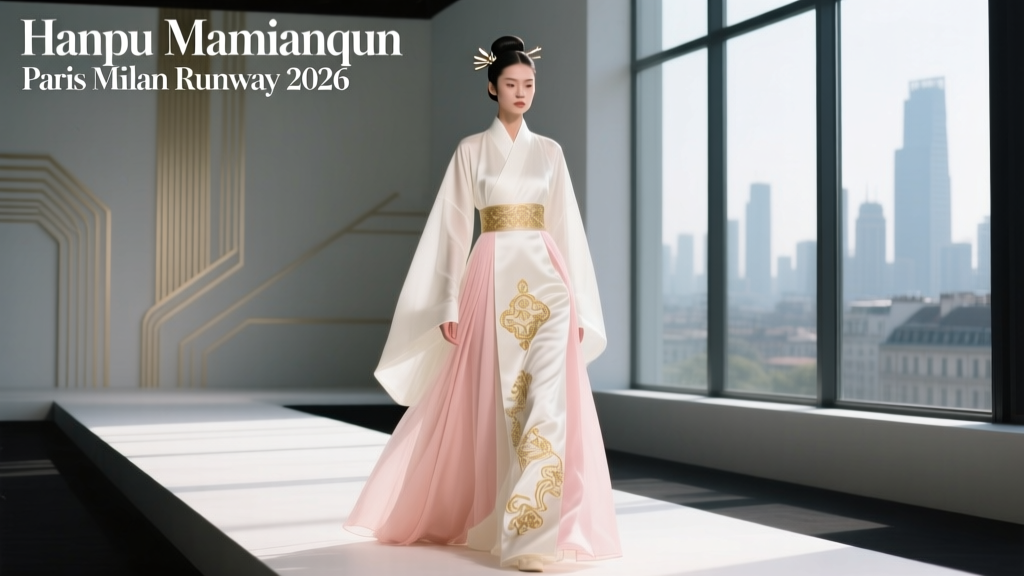
The modern hanfu revival has brought garments like the Mamianqun (horse-face skirt) and Aoqun (jacket and skirt ensemble) into daily wear. The primary maintenance challenge here is preserving the sharp, knife-edge pleats and protecting dense metallic embroidery.
Washing and Drying the Mamianqun
A high-quality silk Mamianqun can cost anywhere from $150 to over $600 USD, making proper laundering a financial necessity. Never machine-wash a pleated hanfu skirt. Instead, submerge the garment in cool water with a silk-specific, pH-neutral detergent. Do not wring or twist the fabric. To dry, lay the skirt flat on a mesh drying rack. While the fabric is still damp, use specialized pleat clips or wooden clothespins aligned perfectly with the original crease lines to weigh down the pleats. As the silk dries, the weight of the water and the clips will naturally re-set the pleats without the need for high-heat ironing, which can scorch delicate Zhuanghua (brocade) threads.
Protecting Cao Xiu (Embroidery)
Hanfu jackets often feature Cai xiu (colorful embroidery) or metallic thread work. When ironing these areas, always turn the garment inside out and place a thick, clean cotton pressing cloth between the iron and the fabric. Use a low-heat steam setting. Direct contact with a hot iron plate will melt synthetic metallic threads and crush the three-dimensional texture of silk floss embroidery.
The Hanbok Collection: Preserving Geometry and Collars
Hanbok care is less about managing drape and more about preserving architectural volume and pristine color-blocking. The contrast between the vibrant Chima (skirt) and the crisp, white Dongjeong (detachable collar) requires a bifurcated cleaning approach.
The Dongjeong and Jeogori Protocol
The Dongjeong is the stark white paper or fabric collar attached to the Jeogori (jacket). Historically, this was replaced or bleached daily to signify cleanliness and high social status. Today, modern hanbok utilize detachable fabric collars fastened with velcro or snaps. These must be removed before washing the jacket. If the collar is stained with makeup or sweat, it should be spot-treated with a mild enzyme cleaner or gently boiled in water with a traditional soap nut solution. The Jeogori itself, particularly the Saekdong (color-striped sleeves), must be hand-washed in cold water to prevent the vivid reds, blues, and yellows from bleeding into one another.
Stiffening and Ironing the Chima
The bell-shaped volume of the Chima is achieved through gathering and, traditionally, a slight stiffening of the hem. When ironing a hanbok skirt, never drag the iron across the fabric, as this will distort the bias cut and stretch the gathers. Instead, use an up-and-down pressing motion. The Goreum (the long, flowing chest ties) must be ironed perfectly straight. A crooked Goreum disrupts the visual symmetry of the entire ensemble. According to conservation guidelines from the National Folk Museum of Korea, traditional Myeongju silk responds best to steam pressing rather than direct dry heat, which can cause the fibers to yellow over time.
Comparative Maintenance Matrix: Hanfu vs Hanbok
To streamline your wardrobe management, refer to this comparative data table outlining the core maintenance differences between these two cultural garments.
| Maintenance Feature | Hanfu (Ming/Song Revival) | Hanbok (Joseon Revival) |
|---|---|---|
| Primary Delicate Fibers | Mulberry Silk, Luo (Gauze), Gambiered Silk | Myeongju (Silk), Mosi (Ramie), Sambe (Hemp) |
| Washing Method | Hand-wash cold; no wringing; specialized silk detergent | Hand-wash cold; detach Dongjeong (collar) first |
| Drying Protocol | Flat dry; clip pleats while damp to reset structure | Hang dry in shade; avoid direct sunlight to prevent dye fading |
| Ironing Technique | Low steam; use pressing cloth over embroidery/brocade | Up-and-down press; steam preferred for Myeongju silk |
| Storage Requirements | Folded flat in acid-free tissue; avoid hanging heavy skirts | Folded in specific origami-style wraps to protect Chima volume |
| Average Authentic Cost | $150 - $800+ USD (depending on weave and embroidery) | $200 - $1,200+ USD (custom tailoring and natural dyes) |
The Art of Folding and Long-Term Storage
How you store these garments when not in use is just as critical as how you wash them. The structural differences between hanfu and hanbok dictate entirely different folding methodologies.
Hanfu Storage: Protecting the Weave
Heavy brocade hanfu jackets and multi-layered skirts should never be hung on wire or thin plastic hangers, as the weight of the garment will stretch the shoulder seams and distort the Jiaoling Youren (cross-collared) neckline. Instead, fold the garments using acid-free tissue paper to buffer the creases. Place them in breathable cotton storage bags. If you must hang a lightweight Beizi (Song dynasty jacket), use a padded, wide-shoulder hanger to distribute the weight evenly.
Hanbok Storage: The Wrapping Technique
Traditionally, hanbok were not hung in closets but were folded and wrapped in Bogi (cloth wrappers). The Chima is folded in a specific, origami-like sequence that prevents deep creases from forming across the gathered waistband and the stiffened hem. The Jeogori is folded with the sleeves crossed over the chest, and the Goreum are coiled carefully to prevent permanent bending. Storing hanbok in cedar chests or breathable linen bags helps repel moisture and insects, which are particularly attracted to the organic starches sometimes used in traditional Korean textile finishing.
Professional Conservation vs. At-Home Care
While daily wear hanfu and hanbok made from modern synthetic blends or treated cottons can be managed at home, museum-quality pieces require professional intervention. If you invest in antique textiles or commission a master artisan to weave a custom Xiangyunsha hanfu or a naturally indigo-dyed hanbok, seek out a dry cleaner who specializes in heritage textile conservation. Standard commercial dry-cleaning chemicals like perchloroethylene can dissolve natural dyes and strip the protective sericin from raw silk fibers.
Ultimately, the hanfu vs hanbok care debate highlights the incredible diversity of Asian textile engineering. Hanfu demands a gentle touch to preserve its fluid drapes and intricate surface embellishments, while hanbok requires structural mindfulness to maintain its bold geometry and vibrant color contrasts. By respecting the unique material science of each garment, collectors and wearers ensure these living traditions continue to be worn, admired, and preserved for generations to come.