Hanfu Sleeves Decoded: Symbolism, Shapes & Meaning

The Philosophy Woven into the Fabric: An Introduction to Hanfu Sleeves
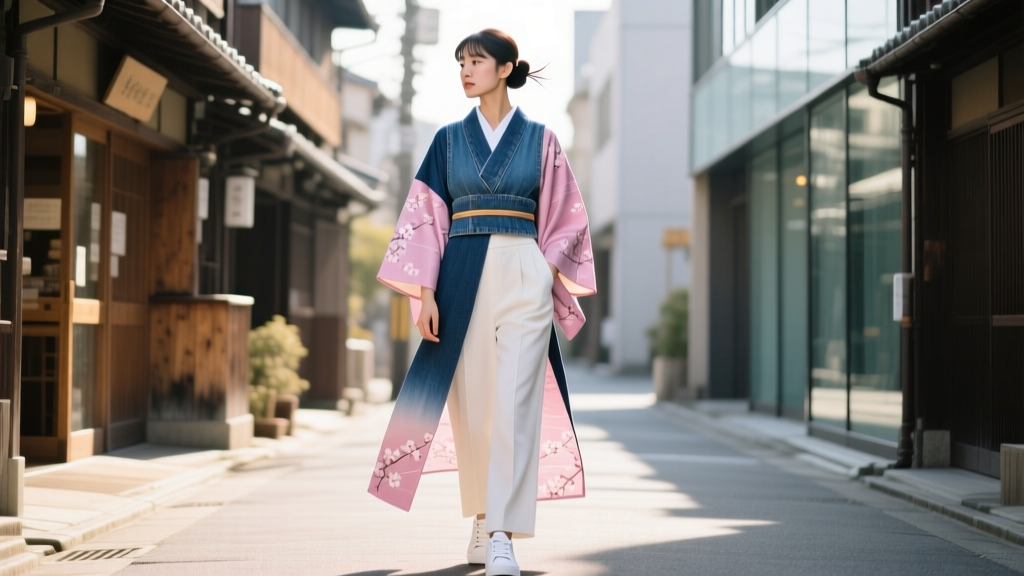
When examining the vast and intricate history of traditional Chinese clothing, the hanfu (汉服) stands out not merely as a garment, but as a wearable manifestation of ancient cosmology, social hierarchy, and moral philosophy. While the cross-collar (jiaoling youren) and the pleated skirts often capture immediate visual attention, it is the hanfu sleeves that serve as the true canvas for Chinese cultural expression. Far from being simple fabric tubes designed to cover the arms, the sleeves of the hanfu were engineered to reflect the wearer's relationship with the universe, their social standing, and their moral integrity.
According to archival textile research from institutions like the China National Silk Museum, the evolution of sleeve shapes from the Shang Dynasty (c. 1600–1046 BCE) through the Ming Dynasty (1368–1644 CE) mirrors the shifting philosophical landscapes of China. From the sweeping, floor-grazing ceremonial sleeves of the Wei-Jin period to the practical, bound cuffs of Ming-era winter wear, every seam, curve, and measurement was dictated by profound symbolic intent. To understand hanfu sleeves is to understand the traditional Chinese worldview.
'Tian Yuan Di Fang': The Cosmic Geometry of the Sleeve
The foundational philosophy governing the construction of traditional hanfu is Tian Yuan Di Fang (天圆地方), which translates to 'Heaven is Round, Earth is Square.' This ancient cosmological concept, deeply rooted in Daoist and Confucian thought, is physically mapped onto the geometry of the garment, particularly in the relationship between the sleeve and the shoulder.
The Round Cuff and the Square Shoulder
In a traditionally tailored hanfu, the cuff of the sleeve is meticulously cut and sewn to form a perfect circle when laid flat or viewed from the side. This roundness symbolizes Heaven (Tian), representing inclusivity, harmony, and the endless, cyclical nature of the cosmos. Conversely, the intersection where the sleeve root meets the main body of the robe, along with the straight lines of the back seam and the neckline, forms a distinct square geometry. This represents Earth (Di), symbolizing grounding, righteousness, and the moral boundaries that govern human society.
When a scholar or official raised their arms in a formal greeting, the round cuffs would drape elegantly, while the square shoulders remained structured and resolute. This visual contrast reminded the wearer to possess the expansive, forgiving grace of Heaven, while remaining anchored by the rigid, unyielding moral principles of Earth. The Metropolitan Museum of Art's Asian textile archives frequently highlight this geometric precision in surviving Ming Dynasty robes, noting that the mathematical ratio between the sleeve root and the cuff was strictly regulated by sumptuary laws.
A Taxonomy of Hanfu Sleeve Shapes and Their Social Codes
The term 'hanfu sleeves' encompasses a diverse array of silhouettes, each developed for specific occasions, climates, and social classes. Below is a structured breakdown of the most prominent historical sleeve types.
| Sleeve Type | Hanzi / Pinyin | Peak Historical Era | Function, Status, and Symbolism |
|---|---|---|---|
| Broad Sleeve | 广袖 (Guǎngxiù) | Wei-Jin, Tang, Ming | Reserved for high-ceremony, scholars, and nobility. Symbolizes elegance, leisure, and a detachment from manual labor. Requires vast amounts of silk, projecting wealth. |
| Narrow Sleeve | 窄袖 (Zhǎixiù) | Tang, Song, Ming | Worn by commoners, merchants, and martial artists. Symbolizes pragmatism, mobility, and diligence. Often paired with trousers or working skirts. |
| Lute Sleeve | 琵琶袖 (Pípáxiù) | Ming Dynasty | Named for its resemblance to the pipa instrument. Features a wide 'belly' that tapers into a very narrow, bound cuff. Highly symbolic of Ming-era modesty and restraint. |
| Arrow / Bound Sleeve | 箭袖 (Jiànxiù) | Ming, Qing | Features a tight, buttoned or bound wrist. Originally designed for archery and horseback riding. Represents martial readiness and winter practicality. |
| Half-Sleeve | 半臂 (Bànbì) | Tang, Song | A short-sleeved jacket worn over a long-sleeved inner garment. Symbolizes layered dressing and was highly popular among women in the cosmopolitan Tang court. |
The Pipaxiu: A Masterclass in Ming Dynasty Restraint
The Pipaxiu (Lute Sleeve) deserves special attention for its brilliant synthesis of aesthetics and utility. Emerging as a dominant style during the Ming Dynasty, the pipaxiu features a dramatic swell of fabric at the forearm that abruptly narrows at the wrist. This design allowed the wearer to store small items—like handkerchiefs, letters, or coins—in the 'belly' of the sleeve, while the tight cuff prevented these items from falling out when the arms were lowered. Culturally, the tight cuff represented the Confucian virtue of Ke Ji Fu Li (克己复礼)—restraining oneself to observe propriety. It physically restricted wild, sweeping arm movements, enforcing a demure and controlled physical demeanor.
The 'Hidden Pocket' and the Idiom of Moral Integrity
One of the most fascinating aspects of hanfu sleeves is their function as storage, which birthed one of the most enduring idioms in the Chinese language regarding political corruption and moral integrity. Because traditional hanfu lacked external sewn pockets, officials and scholars utilized the deep, cavernous interiors of their Guangxiu (broad sleeves) to carry documents, silver ingots, and personal effects.
When an official was investigated for bribery or corruption, inspectors would literally shake out their sleeves. If an official was entirely honest and had accepted no bribes, their sleeves would contain nothing but the air. This gave rise to the famous idiom Liang Xiu Qing Feng (两袖清风), meaning 'Two sleeves of clear breeze.' To say a magistrate possessed 'two sleeves of clear wind' was the highest compliment to their incorruptibility. Today, this idiom remains a staple in Chinese political and social discourse, a direct linguistic heirloom born from the physical construction of the hanfu sleeve.
Sourcing and Wearing Hanfu Sleeves in the Modern Era
As the Hanfu movement experiences a massive global renaissance, understanding how to select, measure, and care for these garments is crucial for modern practitioners and cultural enthusiasts. The drape of a hanfu sleeve is entirely dependent on fabric weight, fiber composition, and precise measurements.
The Crucial Measurement: Tongsuichang (通袖长)
Unlike Western tailoring, which measures from the shoulder seam to the wrist, traditional hanfu is constructed from flat, geometric panels. The most critical measurement for the sleeves is the Tongsuichang (通袖长), or total arm span. This is measured from the tip of the left middle finger, across the back of the neck, to the tip of the right middle finger.
- Standard Daily Wear: Tongsuichang of 140cm - 150cm. The sleeves end near the wrist bone, suitable for Zhaixiu and modern commuting.
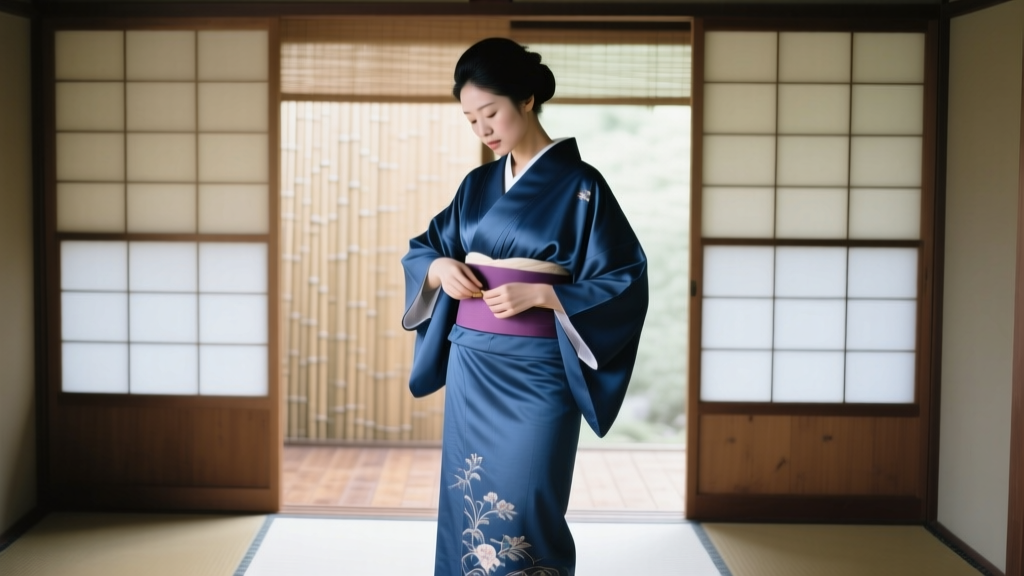
- Ceremonial / Formal: Tongsuichang of 160cm - 180cm+. The fabric extends 10 to 20 centimeters past the fingertips, creating the iconic 'weeping' drape of the Guangxiu and requiring the wearer to clasp their hands in front of their abdomen to manage the excess fabric.
Fabric Composition and Price Guide (2026 Market Estimates)
The behavior of the sleeve is dictated by its material. A stiff brocade will make a pipaxiu stand away from the body in sculptural folds, while a lightweight chiffon or raw silk will cause a guangxiu to pool like water around the wearer's feet.
- Entry-Level / Daily Wear ($35 - $80 USD): Typically made from polyester blends, cotton-linen, or artificial silk. Ideal for narrow sleeves (zhaixiu) and summer half-sleeves (banbi). Brands like Shisan Yu offer accessible, durable options for beginners.
- Mid-Tier / Enthusiast ($90 - $200 USD): Features woven jacquards, rayon blends, and heavier synthetics that mimic the weight of historical brocades. Excellent for Ming-style pipaxiu jackets, providing the necessary structural stiffness at the cuff while allowing the belly to drape.
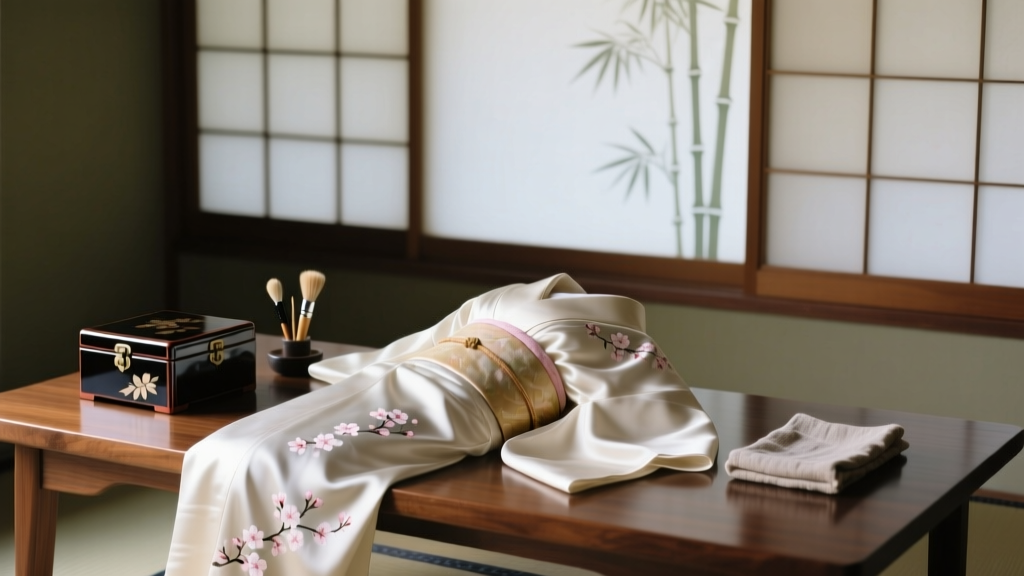
- High-End / Artisanal ($300 - $1,000+ USD): Authentic mulberry silk (sangcansi), real gold-leaf thread weaving, and traditional plant dyeing (like indigo or madder root). Prestigious artisanal studios such as Minghuatang (明华堂) produce museum-grade ceremonial robes where the guangxiu requires up to 3 meters of pure silk per sleeve, representing the pinnacle of modern heritage craftsmanship.
Conclusion: Carrying the Heavens on Your Arms
To wear a hanfu is to engage in a physical dialogue with history. The hanfu sleeves are not merely decorative afterthoughts; they are architectural marvels of ancient textile engineering, laden with the cosmological weight of 'Heaven and Earth' and the moral gravity of 'Two Sleeves of Clear Wind.' Whether you are selecting a practical, narrow-sleeved Song dynasty jacket for a modern tea ceremony, or investing in a sweeping, silk Ming dynasty ceremonial robe, understanding the profound symbolism woven into every cuff and seam transforms the act of dressing into a deeply respectful cultural practice.