Hanfu Lee & Top Boutiques: The 2026 Hanfu Buying Guide

The Global Hanfu Market: Navigating Brands and Boutiques
The global Hanfu movement (Hanfu Yundong) has transformed traditional Chinese clothing from a niche historical interest into a vibrant, living wardrobe. As we move through 2026, the market for authentic, historically grounded Hanfu is more accessible than ever, yet it remains complex for international buyers. Navigating domestic Chinese e-commerce platforms like Taobao requires linguistic fluency and an understanding of proxy shipping. This is where curated international vendors and specialized boutiques step in to bridge the gap.
When international enthusiasts search for reliable overseas stockists, Hanfu Lee frequently surfaces as a prominent boutique bridging the gap between domestic Chinese manufacturers and global buyers. Boutiques operating under the Hanfu Lee banner and similar curated platforms specialize in translating the vast, sometimes overwhelming domestic market into accessible, English-friendly storefronts. They typically stock verified, historically accurate pieces from reputable domestic workshops, handling the complexities of international logistics, quality control, and customer service.
Spotlight on Hanfu Lee: What to Expect from Modern Vendors
Purchasing from a curated vendor like Hanfu Lee offers distinct advantages for the international tongpao (Hanfu enthusiast). Unlike fast-fashion costume sites that sell inaccurate, fantasy-inspired 'ancient Chinese' costumes, reputable Hanfu boutiques focus on structural accuracy. When browsing their collections, you will find garments categorized by dynasty and silhouette rather than mere aesthetics.
Key Offerings and Curation Standards
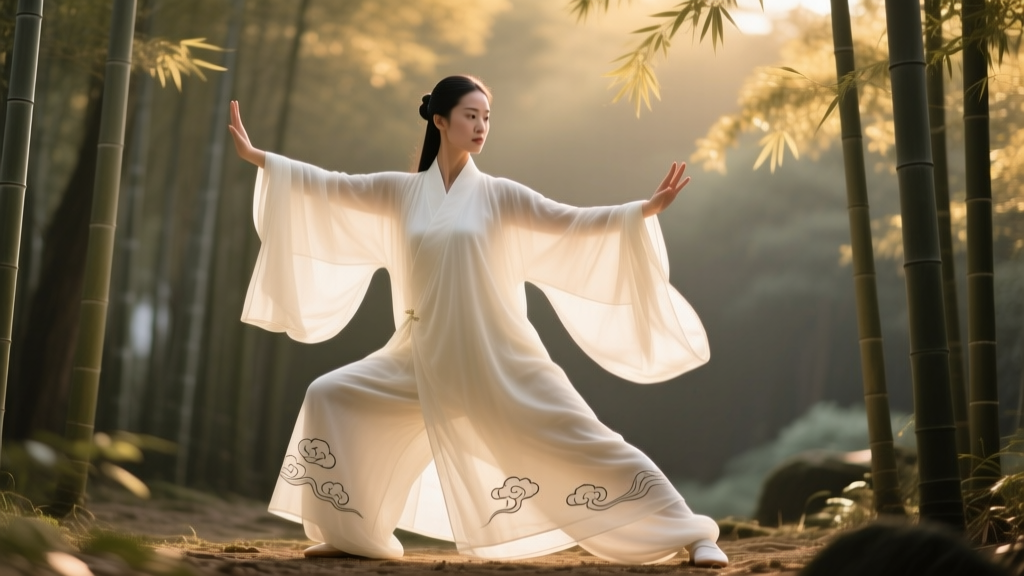
- Dynastic Accuracy: Expect clear distinctions between the flowing, wide-sleeved elegance of the Tang Dynasty (618–907 CE), the minimalist, slender profiles of the Song Dynasty (960–1279 CE), and the structured, ornate majesty of the Ming Dynasty (1368–1644 CE).
- Verified Workshops: Top-tier boutiques source from established domestic brands like Shi San Yu, Ming Huatang, and Zhong Ling, ensuring that the garments you receive are part of the recognized Hanfu community's standard for quality.
- Complete Ensemble Coordination: Hanfu is rarely worn as a single piece. Curated shops provide bundle options that pair tops (yi) with skirts (qun) or trousers (ku), along with essential accessories like cloud collars (yunjian) and hairpins.
Decoding Hanfu Silhouettes for Your Purchase
To shop effectively, you must understand the foundational silhouettes of Hanfu. Traditional Chinese garment construction relies on flat-pattern cutting, which minimizes fabric waste and creates a distinct, flowing drape that differs radically from Western tailoring.
The Jiaoling Youren Protocol
The most critical element of Hanfu is the Jiaoling Youren (cross-collar, right lapel). The left side of the collar must always cross over the right side, forming a 'y' shape at the neckline. According to traditional Chinese philosophy and historical texts documented by institutions like The Metropolitan Museum of Art's Asian Art Department, the left represents Yang (life and the living), while the right represents Yin (death and the spiritual realm). Crossing left over right is a strict cultural protocol; reversing it is strictly reserved for dressing the deceased.
Primary Silhouettes to Look For
- Ruqun (襦裙): A short jacket or blouse paired with a high-waisted or chest-high skirt. Highly popular for Tang and Song dynasty recreations, ideal for summer wear.
- Aoqun (袄裙): A lined or padded long jacket worn over a skirt. This is the definitive silhouette of the Ming Dynasty, offering incredible warmth and structural elegance for autumn and winter.
- Shenyi (深衣): A one-piece robe where the top and bottom are cut separately but sewn together at the waist. It represents the ancient scholarly ideal of unity and is often worn for formal ceremonies.
- Mamianqun (马面裙): The iconic 'Horse-Face Skirt' of the Ming and Qing dynasties. It features flat, unpleated panels at the front and back, with densely pleated side panels. When buying a Mamianqun, check the yaolan (waistband) construction; authentic versions use a separate, often contrasting white fabric waistband with ties, not elastic or zippers.
Fabric Composition and Seasonality
The material of your Hanfu dictates both its historical accuracy and its wearability. The China National Silk Museum emphasizes that historical weaving techniques are a vital part of intangible cultural heritage, and modern Hanfu brands are increasingly reviving these methods.
- Song Dynasty Summer (Luo and Linen): Look for Luo (gauze) or high-quality ramie and linen. These fabrics are breathable, sheer, and historically accurate for the literati class of the Song era.
- Ming Dynasty Winter (Zhuanghua and Jacquard): For colder months, seek out Zhuanghua (satin brocade) or heavy jacquard weaves. These fabrics hold the stiff, architectural shape required for Ming Dynasty Ao (jackets) and heavy Mamianqun.
- Everyday Wear (Cotton and Blends): While pure silk is luxurious, many modern buyers opt for high-grade cotton or polyester-cotton blends for daily wear. Ensure the polyester is high-density and matte; avoid shiny, cheap satin which reads as a costume rather than traditional dress.
Price Guide: What Should You Actually Pay?
Pricing in the Hanfu market varies wildly based on fabric, weaving technique, and brand prestige. Below is a 2026 market breakdown for authentic, ready-to-wear Hanfu. Prices are estimated in USD for international buyers utilizing boutiques or proxy services.
| Garment Tier | Typical Materials | Price Range (USD) | Best For |
|---|---|---|---|
| Entry-Level / Daily | Cotton, linen, matte polyester blends | $45 - $90 | Everyday wear, beginners, travel |
| Mid-Tier / Enthusiast | Silk blends, jacquard weaves, embroidered chiffon | $120 - $250 | Festivals, photography, formal outings |
| Artisan / Heritage | 100% Mulberry silk, hand-woven Luo, real gold thread embroidery | $350 - $1,500+ | Weddings, collectors, ceremonial rites |
| Mamianqun (Skirt Only) | Woven jacquard, brocade | $60 - $200 | Mixing with modern tops or traditional Ao |
Beyond Hanfu Lee: Alternative Artisan Cooperatives and Custom Tailors
While curated international shops are excellent for ready-to-wear pieces, advanced collectors often turn directly to domestic Taobao flagship stores or bespoke tailors. Brands like Ming Huatang are renowned for their museum-grade replication of Ming Dynasty textiles, often utilizing real gold and silver foil threads woven directly into the fabric.
For those seeking bespoke garments, engaging with independent tailors in hubs like Hangzhou or Suzhou allows for custom Tongbi (arm span) measurements. Because traditional Hanfu lacks shoulder seams and darts, the fit is entirely dependent on the length of the sleeves and the width of the fabric panels. A custom tailor will ask for your height, weight, and exact arm span to ensure the sleeves fall at the correct historical length—whether that is the wrist-grazing 'standard' sleeve or the dramatic, floor-sweeping 'broad' sleeve.
Sizing, Alterations, and Care Protocols
One of the most common hurdles for Western buyers is sizing. Hanfu does not use standard S/M/L Western sizing based on bust and hip measurements. Instead, it relies on height and weight brackets, as the flat-cut garments are designed to drape and overlap.
Crucial Buying Tips for International Shoppers
- Check the Garment Length: The most important measurement for a skirt (qun) is the length from your waist or chest to your ankle. Buying a skirt that is too short will ruin the historical silhouette.
- Do Not Alter the Collar: If the collar gaps, it is usually an issue with how the garment is tied, not the cut. Hanfu relies on internal ties (xiaodai) and external ties (dadao) to secure the Jiaoling Youren structure. Never sew the collar shut or add Western snaps.
- Storage and Washing: Silk and brocade Hanfu should never be machine washed or wrung out. Spot clean when possible, or use professional dry cleaning familiar with delicate traditional textiles. Store Mamianqun by hanging them from the waistband to preserve the knife-pleats; never fold them in a way that crushes the side pleats.
'To wear Hanfu is not merely to put on old clothes; it is to wrap oneself in the etiquette, philosophy, and aesthetic continuity of a civilization.' — Modern Hanfu Movement Proverb
Whether you are purchasing your first Song Dynasty Beizi (long outer jacket) through an accessible vendor like Hanfu Lee, or commissioning a bespoke Ming Dynasty wedding robe from a Suzhou artisan, understanding the construction, history, and cultural weight of these garments ensures your investment is both beautiful and deeply respectful. The Hanfu market in 2026 offers unprecedented access to these living traditions, inviting a global audience to participate in the ongoing renaissance of Chinese sartorial heritage.