Hanfu and Kimono: 2026 Occasion & Event Dress Guide

The Renaissance of Asian Heritage Wear in Modern Events
As global appreciation for cultural sartorial traditions deepens, the Hanfu and Kimono have transcended historical archives to become prominent choices for modern formal events. From university graduations and traditional weddings to cultural galas and tea ceremonies, these garments offer a profound connection to Asian heritage. However, navigating the complexities of when, where, and how to wear these garments requires more than just an eye for aesthetics; it demands an understanding of historical context, structural anatomy, and cultural protocols. This comprehensive guide provides a framework for selecting, styling, and respecting these iconic garments for any 2026 occasion.
Anatomy of the Silhouette: Construction Protocols
To dress appropriately for an event, one must first understand the fundamental architectural differences between Chinese Hanfu and the Japanese Kimono. While both share ancient Sinospheric roots, their structural evolution diverged significantly over the centuries.
Hanfu: The Architecture of Flow
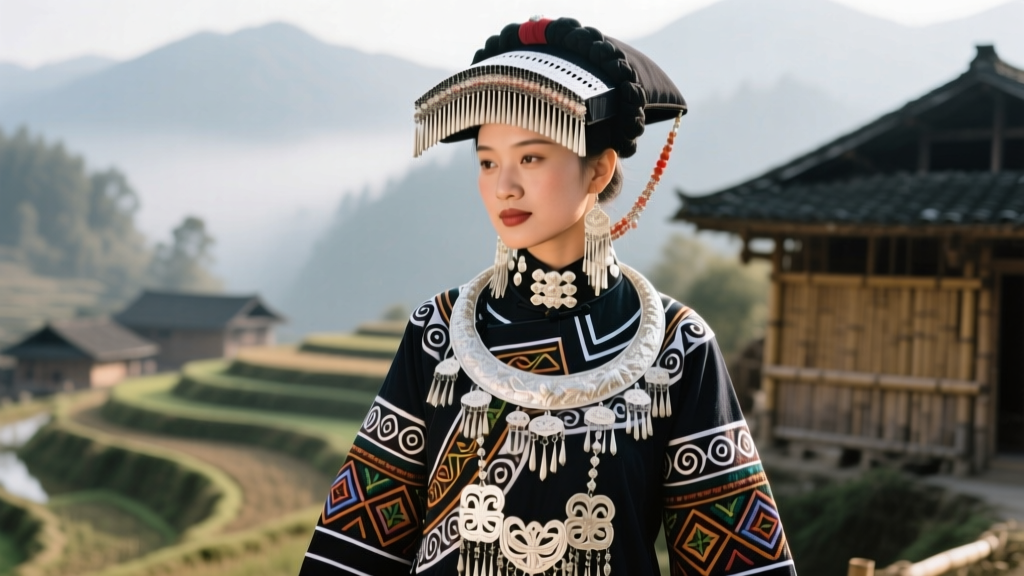
Hanfu (汉服), the traditional dress of the Han Chinese, is characterized by its fluid, unstructured silhouettes that drape naturally over the body. The foundational rule of Hanfu is jiaoling youren (交领右衽), the cross-collar that overlaps left over right. Unlike Western tailoring, Hanfu rarely utilizes darts, buttons, or rigid seaming. Instead, it relies on wide sashes and the natural weight of the fabric to create shape. Key event silhouettes include the Shenyi (深衣), a one-piece deep robe connecting the top and bottom, and the Aoqun (袄裙), a two-piece ensemble featuring a lined jacket and skirt popular during the Ming Dynasty.
Kimono: The Geometry of Structure
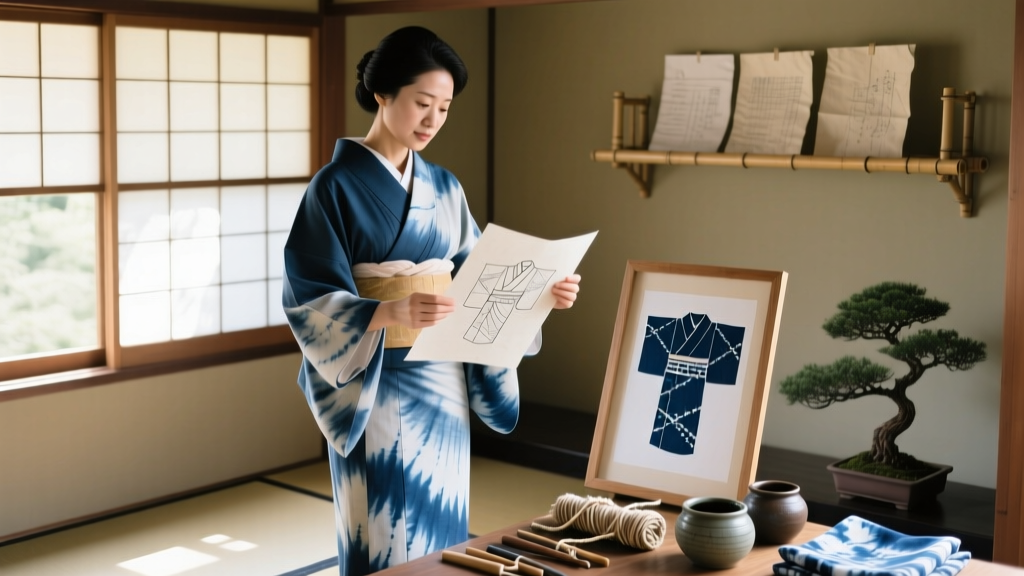
The Japanese Kimono (着物), literally translating to 'thing to wear,' is defined by its T-shaped, straight-line construction. Originating from the kosode of the Muromachi period, the kimono is cut from single bolts of fabric (tanmono) with minimal waste, resulting in a highly geometric, rectangular silhouette. The shaping is not achieved through tailoring, but through the intricate folding, tucking, and binding process during dressing (kitsuke), culminating in the Obi (sash) which acts as the structural anchor of the garment.
The Occasion Matrix: Matching Garment to Event
Selecting the correct formality level is critical. Wearing a highly formal, crested garment to a casual gathering can cause social friction, just as wearing casual cotton to a wedding is a breach of etiquette. Use the matrix below to align your garment choice with the event's formality.
| Event Type | Hanfu Recommendation | Kimono Recommendation | Formality Level |
|---|---|---|---|
| Wedding (Guest) | Ming Dynasty Aoqun or Mamianqun (Horse-face skirt) in jewel tones. | Houmongi (Visiting wear) or Iro Tomesode (Colored crested kimono). | High / Formal |
| Tea Ceremony | Song Dynasty Beizi (long parallel-collar coat) over a pleated skirt. | Komon (fine pattern) or Tsumugi (pongee silk), subdued elegance. | Medium / Semi-Formal |
| Coming of Age / Graduation | Tang Dynasty Qixiong Ruqun (chest-high skirt) or formal Guanli attire. | Furisode (Long-swinging sleeves, strictly for unmarried women). | High / Celebratory |
| Cultural Festival / Casual | Wei-Jin style Ruqun or modified Han elements in breathable cotton/linen. | Yukata (unlined cotton) or Kasane (layered casual wear). | Low / Casual |
Textiles and Seasonality: Dressing for the Elements
Both traditions place immense importance on seasonality, dictating not just the weight of the fabric, but the motifs woven or dyed into the textile.
Hanfu Textiles: Brocades and Gauzes
For winter and autumn events, Hanfu enthusiasts gravitate toward Songjin (Song brocade) and heavy silk jacquards, often featuring auspicious motifs like clouds, dragons, or peonies. A highly prized, historically significant fabric for formal Hanfu is Xiangyunsha (Gambiered Canton Gauze). This unique silk is dyed with the juice of the薯莨 (Dioscorea cirrhosa) plant and coated with river mud from the Pearl River Delta, resulting in a dark, crackling, water-resistant fabric that is exceptionally cool in summer and structurally rigid, making it ideal for formal Mamianqun skirts.
Kimono Textiles: Crepes and Damasks
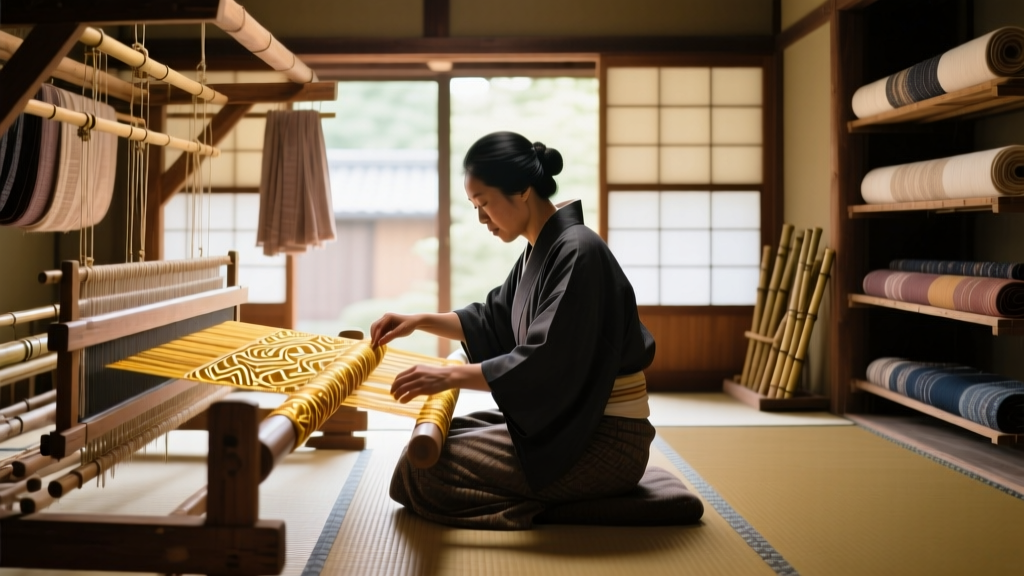
The kimono relies heavily on Chirimen (silk crepe) for formal wear. The twisting of the silk threads before weaving gives Chirimen a pebbled texture that takes Yuzen dyeing beautifully, allowing for the pictorial, hand-painted landscapes seen on Furisode and Houmongi. For winter events, Rinzu (silk damask) provides a lustrous, heavy drape. Seasonality in kimono is strictly observed: cherry blossoms (sakura) are worn only in early spring, while maple leaves (momiji) are reserved for autumn. Wearing a motif out of season is considered a significant faux pas in traditional Japanese circles.
Cultural Protocols: The Left-Over-Right Imperative
The most vital shared protocol between Hanfu and Kimono is the direction of the collar overlap. In both traditions, the left panel of the garment must always cross over the right panel. This is known as youren (右衽) in Chinese and migimae (右前) in Japanese.
Critical Etiquette Warning: Crossing the right panel over the left is universally reserved for dressing the deceased for burial. Appearing at a living event, celebration, or gathering with a right-over-left overlap is deeply offensive and associated with bad omens. Always double-check your collar alignment in the mirror before securing your sash.
Footwear and Accessories
Footwear completes the silhouette. For Hanfu, traditional Yunxiao (cloud shoes) or embroidered cloth boots are appropriate, often featuring upturned toes historically meant to hold the hem of long robes. For the Kimono, the choice between Zori (formal, often covered in brocade or vinyl) and Geta (wooden clogs) depends on the formality of the kimono and the weather. Tabi (split-toe socks) are mandatory for any formal kimono event, with pristine white cotton being the standard for high formality.
Sourcing, Budgeting, and Artisan Support
Acquiring authentic garments requires navigating a market saturated with cheap, mass-produced costumes. For those attending high-stakes events, investing in artisan-made or high-quality vintage pieces is essential.
- Hanfu Budgeting: Mass-market Hanfu from e-commerce platforms ranges from $40 to $120, but these often use synthetic polyesters that trap heat and drape poorly. For formal events, seek out established artisan brands like Minghuatang or Shi San Yu. Expect to pay between $250 and $800 USD for authentic silk brocades, hand-pleated Mamianqun, and historically accurate tailoring.
- Kimono Budgeting: A brand-new, custom-tailored silk kimono with hand-painted Yuzen dyeing from a Kyoto atelier can easily exceed $5,000 to $10,000 USD. However, the Japanese vintage market offers incredible value. High-quality, pre-owned silk Houmongi and Furisode can be sourced from reputable recyclers and specialized dealers for $150 to $500 USD. When buying vintage, inspect the collar and hem for stains, and ensure the Obi is purchased separately, as vintage sets often include damaged sashes.
- Renting: For one-off events like graduations or weddings, renting is a highly practical and culturally accepted option. Services in major Asian cities (and increasingly in Western metropolises with large diaspora populations) offer full dressing services (kitsuke), which is highly recommended for Kimono, as professional dressing ensures the garment survives the event without structural damage.
Scholarly References and Cultural Institutions
To further your research into the historical contexts and material cultures of these garments, consult the archives of leading cultural institutions. The Victoria and Albert Museum's comprehensive guide to the Kimono offers exceptional insights into the evolution of Japanese textile arts and the global impact of the garment. For deep historical context regarding Chinese sartorial rules and Ming Dynasty tailoring, The Metropolitan Museum of Art's Heilbrunn Timeline of Art History provides invaluable academic resources on the socio-political significance of Han Chinese dress. Additionally, the Kyoto National Museum maintains extensive digital archives of Edo-period kosode and formal obi, serving as a primary reference for motif seasonality and weaving techniques.