Mastering Hanfu Hair: Modern Styling & Accessories 2026
The Evolution of Hanfu Hair: From Antiquity to 2026
The global Hanfu Yundong (Hanfu movement) has beautifully transitioned from niche historical reenactment to mainstream cultural appreciation. As we navigate the fashion landscape of 2026, enthusiasts recognize that a meticulously crafted mamianqun (horse-face skirt) or ruqun loses its historical resonance if paired with a casual modern ponytail. Mastering hanfu hair is the final, crucial step in achieving an authentic silhouette.
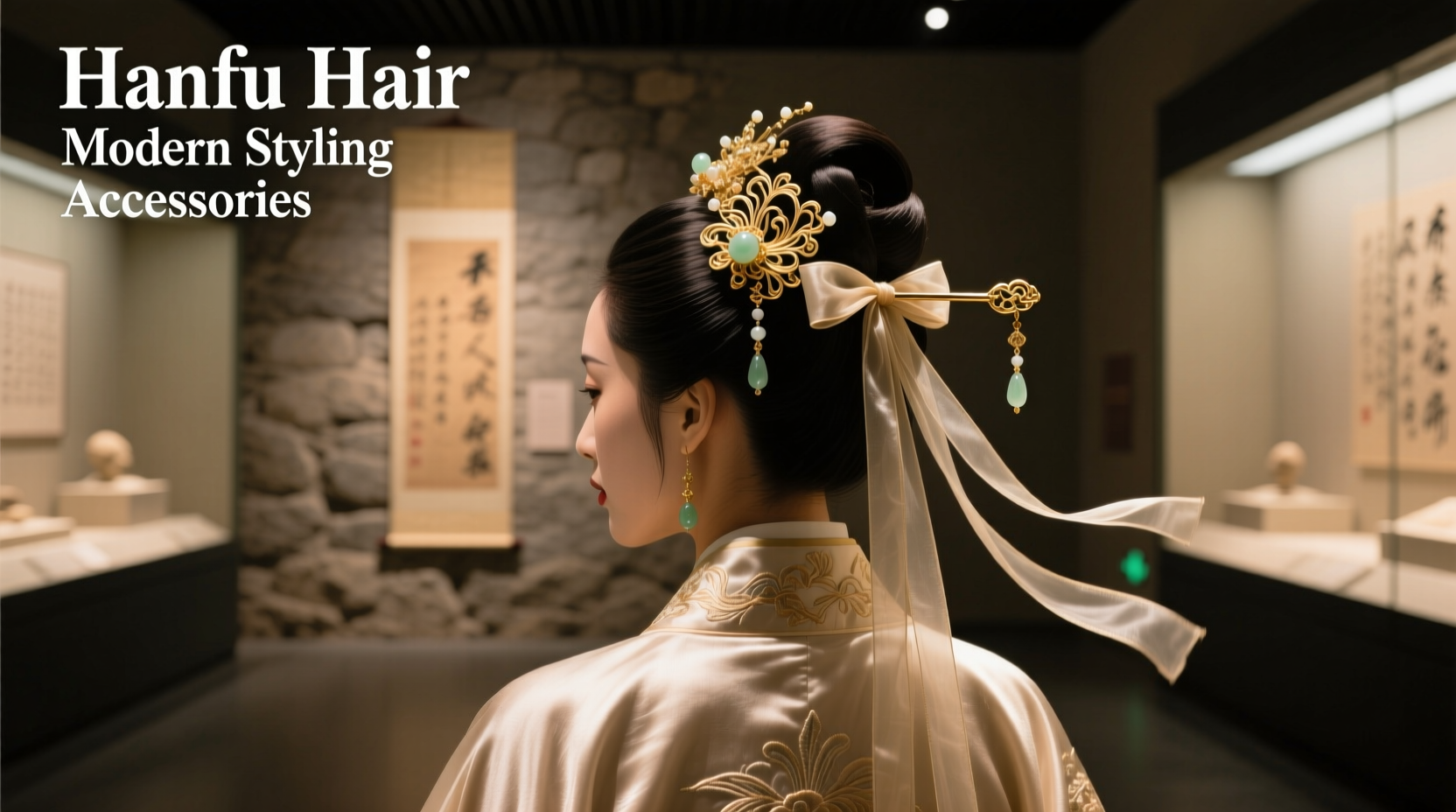
Historically, Chinese hairstyles were deeply tied to social status, age, and dynasty-specific aesthetics. The Tang Dynasty (618–907 CE) favored the Gaoji (high bun), characterized by voluminous, elaborate updos adorned with fresh peonies and heavy gold combs. In stark contrast, the Song Dynasty (960–1279 CE) embraced minimalism, favoring lower, sleeker buns accented with pearls and jade. The Ming Dynasty (1368–1644 CE) introduced complex wirework and the iconic diji (topknot pin). Today, modern wearers blend these historical frameworks with practical styling techniques suited for contemporary commuting and festivals.
The Accessory Arsenal: A Buyer’s Guide to Hanfu Hair Ornaments
Traditional Chinese hair ornaments are feats of metallurgical and artistic engineering. When sourcing pieces, it is vital to understand the terminology and historical function of each item. According to archival textiles and ornaments preserved at the China National Silk Museum, the materials used historically ranged from carved bone and wood to precious metals and kingfisher feathers.
Below is a comprehensive guide to essential hanfu hair accessories, including modern price ranges for authentic or high-quality replica pieces.
| Accessory Name | Pinyin | Description & Function | Best Dynasty Match | Price Range (USD) |
|---|---|---|---|---|
| Zan | 簪 | Single-prong hairpin used to secure the base of a bun or pierce a topknot. | All Dynasties | $15 - $150 |
| Chai | 钗 | Double-prong pin offering structural support for heavy, elaborate updos. | Tang / Ming | $25 - $200 |
| Buyao | 步摇 | Dangling 'step-sway' pin with trembling floral or phoenix motifs. | Tang / Han | $40 - $300 |
| Guan | 冠 | Crown, cap, or structured headdress worn over a topknot or braided base. | Ming / Song | $100 - $800+ |
| Shuhuang | 梳篦 | Decorative crescent comb inserted into the front or side of the hair. | Tang / Song | $20 - $120 |
Note on Ethics and Materials: Historically, Ming dynasty court women wore Tian-tsui (kingfisher feather art) for its iridescent blue hue. Modern ethical artisans replicate this using dyed goose feathers, silk ribbons, or cold enamel, preserving the aesthetic without harming wildlife. Authentic silver and jade pieces from artisan hubs like Jingdezhen or Suzhou will sit at the higher end of the price spectrum.
Step-by-Step Modern Hanfu Updos for Everyday Wear
Adapting historical styles for modern life requires a balance of structural integrity and time efficiency. Here are two highly requested tutorials for 2026.
1. The 'Commuter' Song-Style Low Bun (Minimalist & Secure)
Perfect for office environments or pairing with a understated Song-style Beizi (long jacket).
- Prep: Apply texturizing powder to dry hair. Modern, freshly washed hair is too slippery to hold wooden pins.
- Gather: Sweep hair to the nape of the neck, leaving two small face-framing tendrils.
- Twist: Twist the gathered hair into a tight rope, then wrap it flat against the head into a disc shape.
- Secure: Use two U-shaped pins (crucial for traditional buns) to anchor the disc to your natural hair.
- Adorn: Insert a single jade or sandalwood Zan horizontally through the center of the twist. Add a small pearl-studded comb above it for a subtle Song dynasty elegance.
2. The Tang-Inspired Half-Up Banbi (Festive & Voluminous)
Ideal for lantern festivals, weddings, or wearing with a vibrant Tang-style Qixiong Ruqun.
- Section: Part the hair from ear to ear, clipping the top half away.
- Tease: Backcomb the roots of the top section to create the voluminous height characteristic of Tang aesthetics.
- Anchor: Secure the teased section with a matte-finish claw clip, then smooth the surface layer of hair over the clip to hide it.
- Pin: Insert a Buyao (step-sway pin) at a 45-degree angle on the right side. The dangling elements should frame the cheekbone.
- Finish: Curl the remaining loose hair into soft, sweeping waves using a 1.5-inch barrel iron.
Cultural Protocols: What to Avoid When Styling
While the modern Hanfu community is largely inclusive and experimental, understanding historical protocols demonstrates deep cultural respect. The Palace Museum in Beijing houses extensive archives detailing the strict sumptuary laws of imperial China, which dictated who could wear what.
The Coming of Age: Historically, the Ji Li (笄礼) was a woman's coming-of-age ceremony at 15, where her hair was pinned up for the first time, signifying readiness for marriage. Men underwent the Guan Li (冠礼) at 20, receiving a cap. While modern wearers style their hair purely for aesthetics, acknowledging these rites adds profound meaning to the act of pinning up one's hair.
- Avoid Mourning Motifs: Never use pure white hemp ribbons or unadorned white wooden sticks for casual or festive wear. In traditional Chinese culture, unadorned white hair bindings are strictly reserved for mourning periods.
- Imperial Exclusivity: Avoid wearing Guan (crowns) featuring five-clawed dragon motifs or specific imperial phoenix designs unless you are participating in a theatrical performance or specific ceremonial reenactment. Opt for floral, geometric, or mythical beast (like the deer or crane) motifs for daily wear.
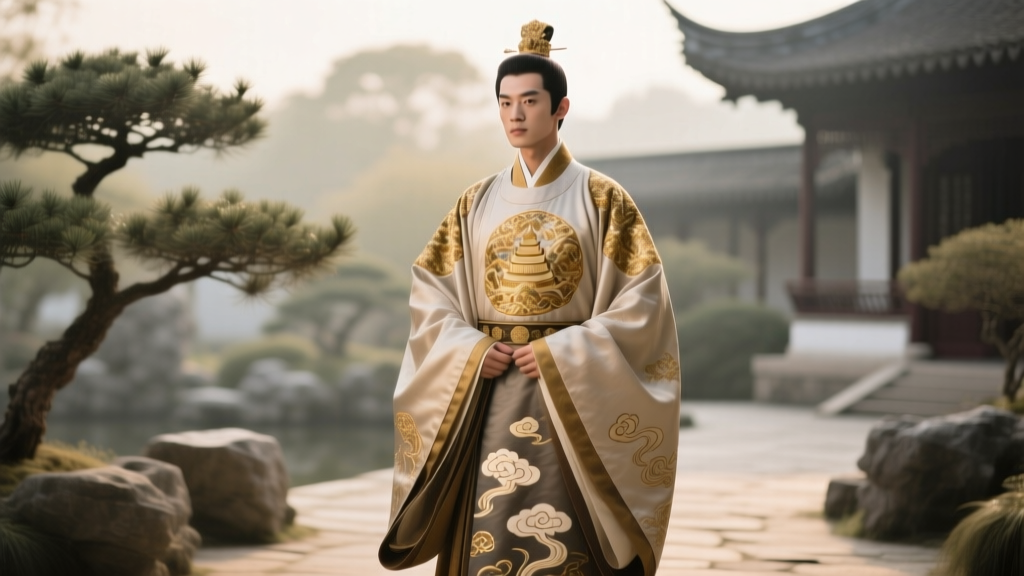
- Men's Hair Rules: Historically, Han men did not cut their hair, instead gathering it into a topknot secured by a Guan. Modern men with short hair can utilize leather topknot ties, or wear structured caps over their natural hair to mimic the silhouette respectfully.
The Modern Stylist’s Toolkit: Products for Secure Hold
Traditional hairpins rely on friction and tension, not modern elastics. To ensure your hanfu hair survives a day of walking, dining, and commuting, your toolkit must include the following:
- Texturizing Powder: Essential for adding grit. Wooden and jade pins will slide right out of silky, conditioned hair without it.
- U-Shaped Pins (Bun Pins): Standard bobby pins are too short and visible. U-pins weave through the bun and grip the scalp hair invisibly.
- Matte Hairspray: A strong-hold, non-shiny spray ensures flyaways are tamed without making the hair look artificially stiff or wet, which ruins the historical illusion.
- Foam Hair Donuts: For those with fine or short hair, color-matched foam donuts provide the necessary base to recreate the voluminous Tang and Ming silhouettes.
Preserving the Art of the Updo
Mastering hanfu hair is an ongoing practice of cultural preservation and personal expression. By studying the artifacts preserved in institutions like the Metropolitan Museum of Art's Asian Art Department, modern wearers can draw direct inspiration from surviving Ming dynasty gold hairpins and Tang dynasty combs. Whether you are securing a simple Song-style low bun for a day at the office or constructing an elaborate Tang festival updo, the right accessories and techniques will ensure your hanfu ensemble is historically grounded, culturally respectful, and breathtakingly beautiful.