Hanfu Fabric Guide: Choosing Textiles for Every Occasion
The Intersection of Textile and Tradition
When curating a traditional Chinese wardrobe, the silhouette is only half the equation; the true soul of the garment lies in its textile. Selecting the appropriate hanfu fabric is a nuanced practice that bridges historical accuracy, seasonal comfort, and social etiquette. In ancient China, sumptuary laws and deep-seated cultural philosophies dictated who could wear what, with specific weaves reserved exclusively for the imperial court, religious rites, or the scholarly elite. Today, as the hanfu revival movement matures, modern practitioners are moving beyond generic polyester costumes to embrace historically informed textiles. Whether you are attending a traditional wedding, a quiet tea ceremony, or a vibrant lantern festival, understanding the drape, weight, and weave of your chosen fabric is essential for dressing with cultural respect and aesthetic grace.
According to the China National Silk Museum, the evolution of Chinese weaving techniques spans over five millennia, resulting in a highly specialized lexicon of textiles. This guide decodes the most prominent hanfu fabrics, mapping them to their proper occasions to ensure your ensemble is both culturally resonant and contextually appropriate.
Formal Ceremonies and Weddings: The Weight of Brocade
For events demanding the highest level of formality—such as traditional weddings (hunli), coming-of-age ceremonies (guanli and jili), and major ancestral rites—heavy, structured brocades are the undisputed standard. The visual weight and stiff drape of brocade convey solemnity, dignity, and prosperity.
Understanding Zhuanghua and the Mamianqun
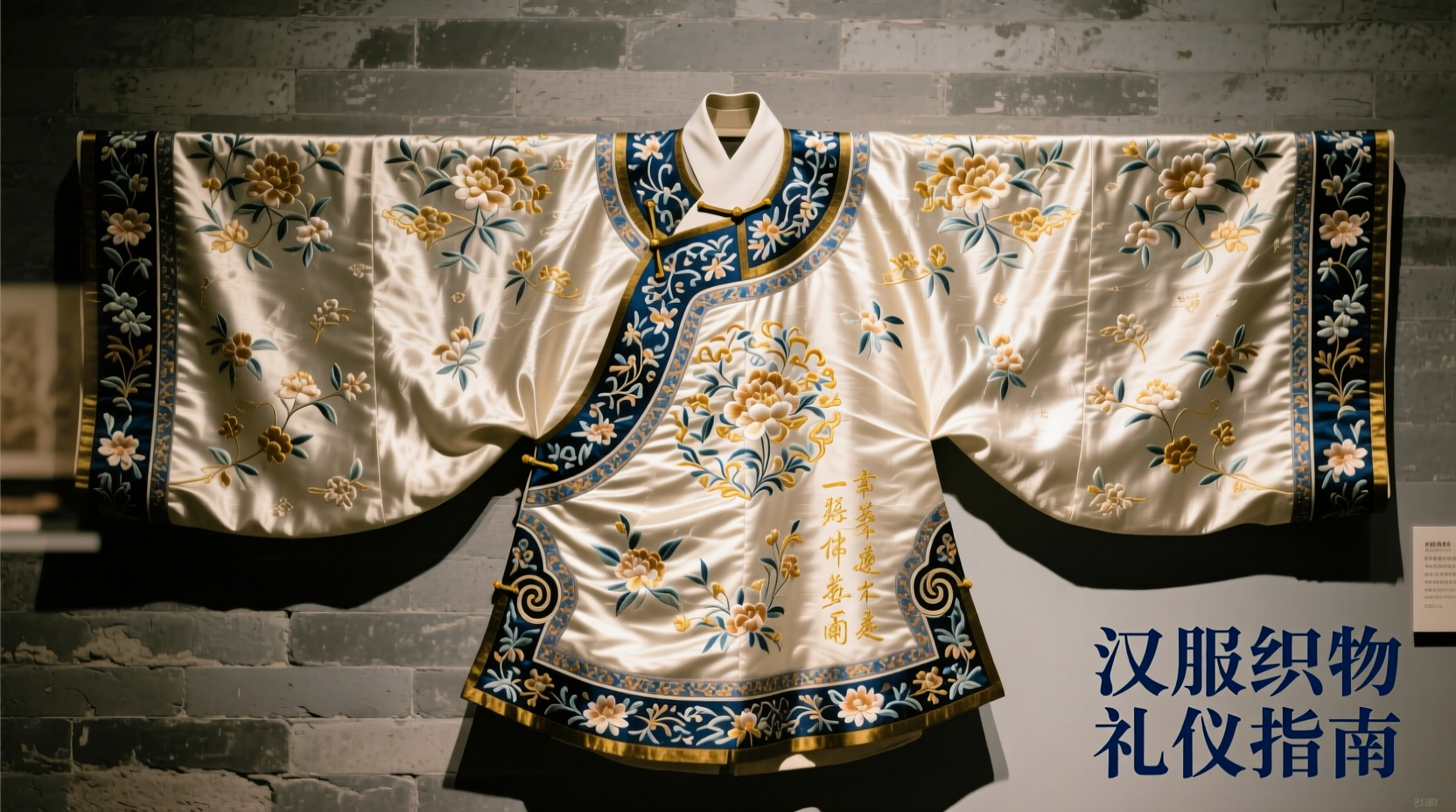
Nanjing Cloud Brocade, or Zhuanghua, represents the pinnacle of Chinese silk weaving. Recognized by UNESCO as an Intangible Cultural Heritage, Zhuanghua is woven on massive wooden drawlooms and often incorporates genuine gold and silver threads, as well as peacock feather filaments. Because of its staggering production cost and heavy weight, it is most frequently utilized in the construction of the Mamianqun (horse-face skirt). The stiff, dense nature of the brocade is functionally necessary; it holds the deep, structural knife pleats of the Mamianqun in place, allowing the skirt to flare majestically when the wearer walks while keeping the flat front panels perfectly smooth.
For slightly more accessible formalwear, Songjin (Song Brocade) from Suzhou and Shujin (Shu Brocade) from Sichuan offer exquisite alternatives. Songjin features elegant, often geometric or floral patterns with a flatter weave, making it ideal for formal Daopao (scholar's robes) and Pifu (capelets). Authentic silk brocade hanfu ensembles are an investment, with genuine Zhuanghua skirts starting at 5,000 RMB (approx. $700 USD) and easily exceeding 20,000 RMB ($2,800 USD) for bespoke, gold-threaded commissions.
Scholarly Gatherings and Tea Ceremonies: The Elegance of Ramie
Not all traditional events call for opulence. For intellectual gatherings, Guqin recitals, calligraphy exhibitions, and intimate tea ceremonies, the aesthetic shifts toward the understated, natural elegance favored by the historical literati. Here, plant-based fibers take precedence.
The Literati Aesthetic of Xia and Linen
Xia (ramie) and high-grade linen are foundational to the 'scholar-official' aesthetic. Unlike the shimmering, light-reflecting surface of silk, ramie offers a matte, textured finish that projects humility, inner cultivation, and harmony with nature. During the Song and Ming dynasties, scholars deliberately wore unadorned ramie robes to signal their detachment from worldly vanity. Ramie is highly breathable, possesses natural antibacterial properties, and softens beautifully with wear. A ramie Beizi (long open-front jacket) paired with Songku (traditional trousers) is the perfect uniform for a serene afternoon at a tea house. High-quality, hand-loomed ramie garments typically range from 300 to 800 RMB ($40 to $110 USD), offering exceptional value and historical authenticity for daily cultural practice.
Summer Festivals and Lantern Nights: The Breathability of Luo and Sha
When attending outdoor summer events like the Qixi Festival or Mid-Autumn lantern viewings, managing the heat while maintaining layered elegance is paramount. This is where the ancient mastery of leno weaves comes into play.
The Engineering of Luo (Gauze)
Luo and Sha are traditional Chinese gauze fabrics characterized by their complex leno weave structure, which twists adjacent warp threads around each other to create stable, open mesh-like pores. As documented by the Metropolitan Museum of Art's Heilbrunn Timeline of Art History, these sheer silks were highly prized in the Tang and Song dynasties for their ability to provide modesty and sun protection without trapping heat. A Luo fabric possesses a unique, slightly crisp hand-feel and a subtle, matte translucency. It is the premier choice for summer Banbi (half-sleeve jackets) and ethereal Pibo (draped stoles). Because the leno weave requires specialized looms and immense skill, authentic silk Luo is rare and commands a premium, usually starting around 1,200 RMB ($165 USD) per meter.
'The beauty of Chinese silk lies not merely in its sheen, but in the architectural complexity of its weaves. Fabrics like Luo demonstrate an ancient understanding of textile engineering that balanced structural integrity with environmental adaptation.' — Curatorial archives, Victoria and Albert Museum.
Hanfu Fabric Comparison Matrix for Event Planning
To streamline your wardrobe planning, consult this matrix mapping specific hanfu fabrics to their ideal occasions, structural properties, and market realities.
| Fabric (Pinyin / English) | Best Occasion | Weave Structure & Drape | Price Range (USD) | Care Protocol |
|---|---|---|---|---|
| Zhuanghua (Cloud Brocade) | Weddings, Major Rites | Weft-faced, heavy, stiff | $700 - $3,000+ | Dry clean only, store flat |
| Songjin (Song Brocade) | Banquets, Formal Dinners | Warp-faced, medium weight, structured | $150 - $400 | Dry clean, avoid direct sun |
| Luo (Silk Gauze) | Summer Festivals, Outdoor | Leno weave, sheer, crisp drape | $160 - $300 (per meter) | Hand wash cold, lay flat |
| Xia (Ramie) | Tea Ceremonies, Recitals | Plain weave, matte, softens over time | $40 - $150 | Machine wash gentle, iron damp |
| Modern Jacquard Poly | Conventions, Casual Wear | Synthetic, variable drape, durable | $25 - $80 | Machine washable, low heat |
Sourcing Authentic Textiles: A Buyer’s Framework
The commercialization of the hanfu movement has flooded the market with synthetic alternatives. While modern polyester jacquards are excellent for budget-conscious beginners, convention-goers, and cosplay-adjacent events, they lack the breathability and historical resonance of natural fibers. When shopping for authentic hanfu fabric, buyers must be vigilant.
First, scrutinize the vendor's terminology. Reputable artisans and specialized taobao boutiques will specify the exact weave (e.g., Luodi for gauze, Zhuanghua for brocade) and the fiber content (e.g., 100% Mulberry Silk). Second, understand the burn test: genuine silk will burn slowly, smell like singed hair, and leave a crushable black ash, whereas polyester will melt into a hard, plastic bead. Finally, consider the region of origin. Garments sourced directly from weaving hubs like Suzhou (for Song brocade and silk) or Foshan (for specialized香云纱 Xiangyunsha dyed silks) are far more likely to possess authentic structural integrity than mass-produced dropshipped items.
Care and Preservation of Heritage Weaves
Investing in premium hanfu fabrics requires a commitment to proper garment care. Silk brocades, particularly those woven with metallic threads, must never be submerged in water, as the metal will oxidize and the silk will lose its structural sizing. Always rely on specialized dry cleaners familiar with heritage textiles. For ramie and linen, regular gentle washing is actually beneficial, as it breaks down the stiff natural pectins in the plant fibers, resulting in a softer, more comfortable drape. Store all silk garments in breathable cotton bags away from direct sunlight to prevent the UV degradation that causes historic silks to shatter over time. By respecting the material, you ensure that your hanfu remains a living, wearable testament to Asian textile history.