Formal Chinese Clothing: History, Styles & Etiquette

When discussing formal Chinese clothing, the global imagination often defaults to a singular, monolithic image. However, the reality of Chinese formalwear is a vast, intricate tapestry woven from thousands of years of dynastic shifts, regional textile innovations, and profound philosophical symbolism. As a living tradition that is currently experiencing a massive cultural renaissance, understanding formal Chinese clothing requires looking beyond modern caricatures and delving into the precise construction, historical context, and strict sartorial etiquette that define these garments.
The Evolution of Chinese Formalwear: Beyond the Stereotypes
Historically, clothing in China was not merely a matter of fashion; it was a visual language dictated by sumptuary laws, Confucian ritual codes (Li), and cosmological beliefs. Formal Chinese clothing served to denote rank, moral rectitude, and one's place within the cosmic and social order. Today, the landscape of formal Chinese attire is broadly categorized into three distinct spheres: the historical ceremonial robes of the Hanfu tradition, the refined elegance of the Qipao (Cheongsam), and the specialized, highly symbolic garments reserved for traditional weddings. To navigate this landscape as a collector, historian, or wearer, one must understand the structural and cultural DNA of each category.
Hanfu: The Foundation of Ceremonial Dress
The term 'Hanfu' refers to the historical clothing system of the Han Chinese, spanning from the mythical Yellow Emperor to the late Ming Dynasty (1368–1644). While the Qing Dynasty (1644–1912) enforced Manchu dress codes, the contemporary Hanfu movement has meticulously revived historical formalwear based on archaeological textiles and tomb murals.
Court and Imperial Formalwear: Mianfu and Chaofu
At the absolute pinnacle of historical formality was the Mianfu, the ceremonial court dress worn by emperors and high-ranking nobility during major state sacrifices and enthronements. The Mianfu is characterized by its multi-layered complexity, featuring a flat-topped ceremonial hat (the mianliu) with bead curtains that obscured the emperor's face to symbolize impartiality and distance from worldly affairs. Beneath this, the Chaofu (court robe) was worn by officials. According to the Metropolitan Museum of Art's Asian Art archives, Ming dynasty Chaofu often featured the iconic buzi (rank badges)—intricately embroidered squares depicting birds for civil officials and beasts for military officials, strictly regulating who could wear what in the imperial court.
Traditional Wedding Attire: Xiuhefu and Qungua
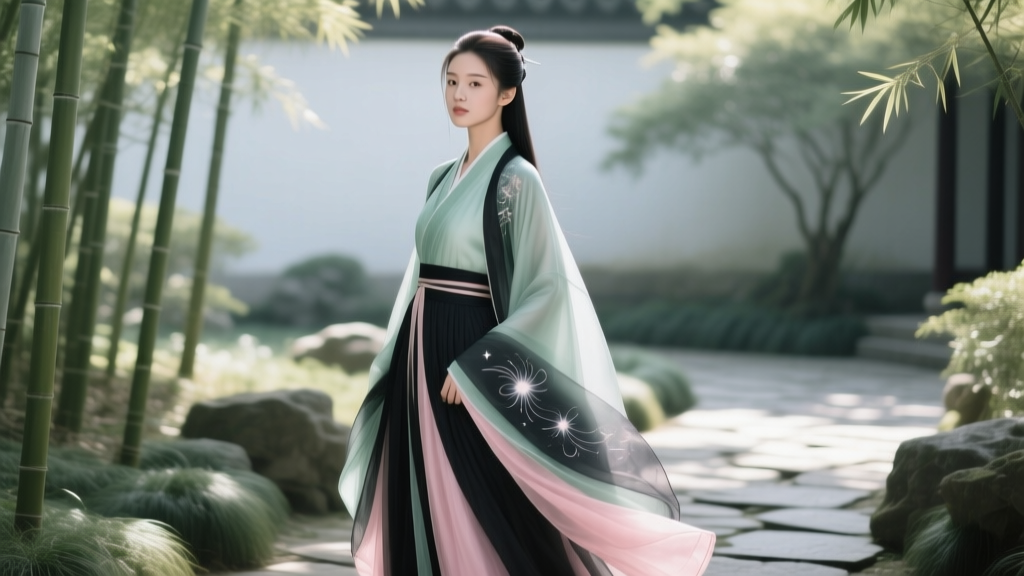
For modern formal events, particularly weddings, historical Hanfu has been adapted into highly ceremonial ensembles. The Xiuhefu is a Ming-dynasty-inspired wedding garment consisting of a cross-collared upper robe and a sweeping Mamianqun (horse-face skirt). The skirt is constructed with flat, overlapping front and back panels and deeply pleated sides, allowing for majestic movement while maintaining a structured silhouette. Alternatively, the Qungua (or Longfeng Gua) originates from Qing-era Han Chinese wedding traditions, featuring a heavily embroidered silk jacket and skirt, often woven with metallic gold and silver threads to form dragon and phoenix motifs, symbolizing the balance of yin and yang.
The Qipao (Cheongsam): From Manchu Origins to Modern Elegance
While Hanfu represents antiquity, the Qipao (known as Cheongsam in Cantonese) represents the modernization of Chinese formalwear. Originating from the loose, A-line robes of Manchu banner women (the chenyi), the Qipao was radically transformed in 1920s Shanghai. Influenced by Western tailoring and the feminist movements of the May Fourth era, the modern formal Qipao became a figure-hugging, high-collared garment that celebrated the female form while retaining traditional Chinese modesty.
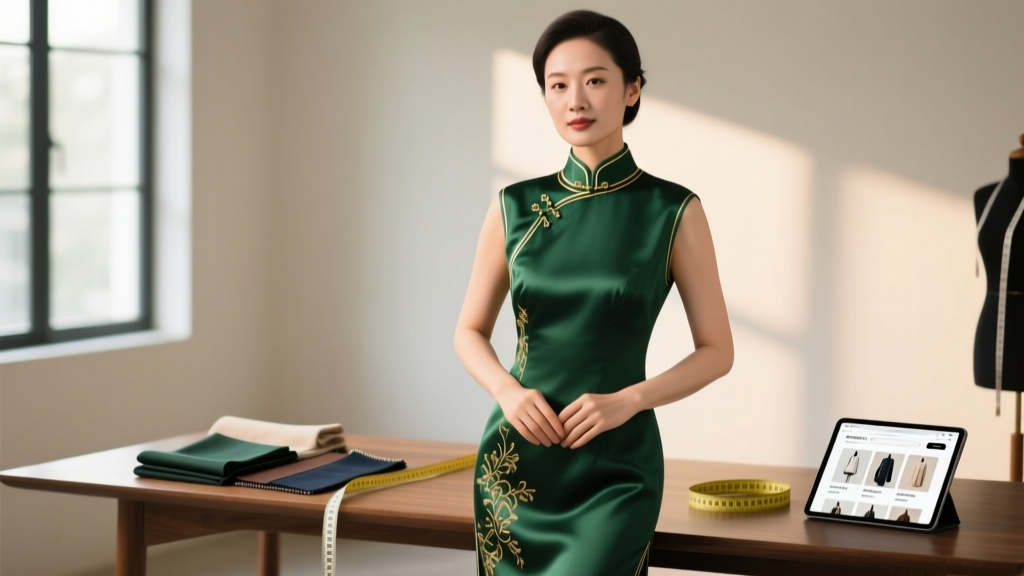
A truly formal Qipao is not a mass-produced, stretchy club dress; it is a masterpiece of bespoke tailoring. Formal iterations utilize stiff, luxurious silks that hold their shape, featuring a mandarin collar (yingling), side slits for mobility, and intricate pankou (knotted toggle buttons) that are entirely handcrafted from silk bias tape. The Victoria and Albert Museum notes that the evolution of the Qipao reflects a fascinating synthesis of traditional Chinese flat-cutting techniques and Western darting, creating a garment that is uniquely positioned as both a cultural artifact and a staple of modern black-tie formalwear.
Decoding Formal Chinese Garment Construction
To appreciate formal Chinese clothing, one must understand the engineering beneath the silk. Unlike Western tailoring, which relies on cutting fabric to follow the curves of the body, traditional Chinese construction honors the integrity of the woven cloth.
| Garment Type | Primary Collar Style | Cutting Philosophy | Fastening Method | Formality Context |
|---|---|---|---|---|
| Hanfu (Ming Era) | Cross-collar (Jiaoling) | Flat-cut, geometric, zero-waste | Fabric ties (internal and external) | Ceremonial, ancestral rites, traditional weddings |
| Mamianqun | N/A (Skirt) | Pleated side panels, flat front/back | Skirt ties at the waist | Formal Hanfu ensemble base for women |
| Qipao (Bespoke) | Mandarin (Yingling) | Flat-cut with subtle Western darts | Hand-tied Pankou knots | Galas, diplomatic events, modern formal dinners |
| Tang Suit (Modern) | Mandarin (Yingling) | Western suit structuring, Eastern motifs | Pankou knots or hidden snaps | Lunar New Year, state banquets, elder formalwear |
Masterful Textiles: Kesi, Brocade, and Xiangyunsha
The formality of a Chinese garment is intrinsically linked to its textile. The China National Silk Museum in Hangzhou preserves the legacy of these highly specialized fabrics, which dictate the drape, sheen, and cultural weight of the clothing.
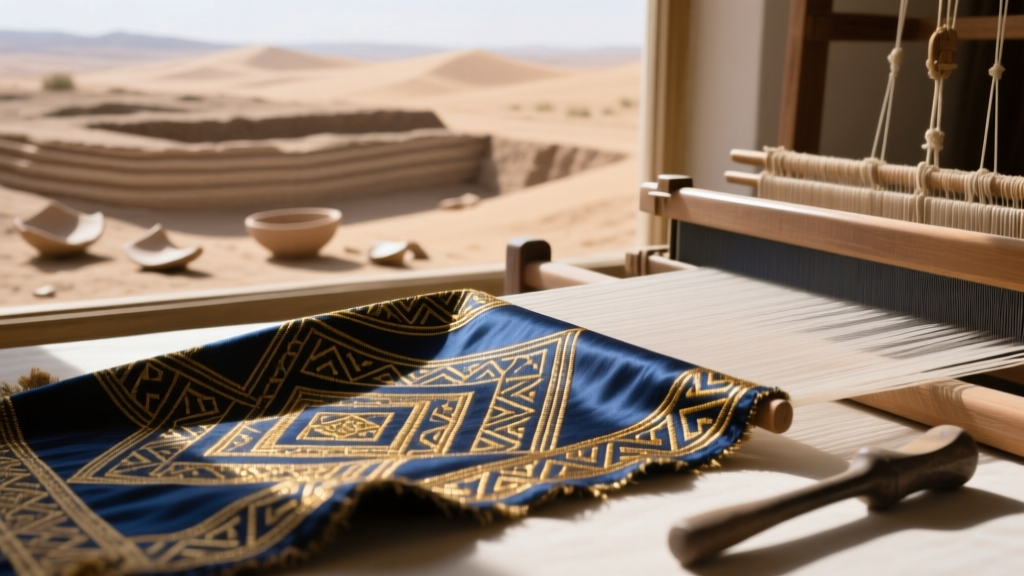
- Kesi (Cut Silk): Often described as 'sculpting with silk,' Kesi is a tapestry weave where the weft threads are discontinuous, creating sharp, unblemished color transitions. Historically reserved for imperial dragon robes and high-ranking court garments, a genuine Kesi formal robe can take a master artisan over a year to complete, making it one of the most expensive textiles in the world.
- Zhuanghua (Nanjing Brocade): A heavy, opulent silk brocade woven with real gold leaf, silver threads, and peacock feather yarns. It is the standard for highly formal Xiuhefu wedding jackets and imperial-style robes due to its stiff, majestic drape and light-catching properties.
- Xiangyunsha (Gambiered Canton Gauze): A highly prized, regional textile from Guangdong. Silk is dyed repeatedly with the tannin-rich juice of the shuliang yam and then coated in iron-rich river mud, creating a dark, rustling fabric that is naturally water-resistant, cooling in summer, and entirely unique to the Lingnan region. A formal Qipao made of authentic Xiangyunsha is a hallmark of understated, aristocratic elegance.
A Practical Guide to Acquiring and Wearing Formal Chinese Clothing
For those looking to acquire or wear formal Chinese clothing, cultural respect and proper etiquette are paramount. The contemporary revival of these garments is driven by a deep desire among younger generations to reconnect with their heritage, and wearing them correctly is a sign of profound cultural literacy.
The Golden Rule: Jiaoling Youren
If you are wearing a cross-collared Hanfu, you must strictly adhere to the rule of Jiaoling Youren—the left side of the collar must cross over the right side, with the right lapel hidden beneath. In traditional Chinese cosmology, the left represents yang (life, the living, the east), while the right represents yin (death, the west). Reversing this collar (right over left) is strictly reserved for dressing the deceased for burial. Wearing it incorrectly in a formal setting is considered highly inauspicious and deeply offensive.
Price Ranges and Sourcing Bespoke Pieces
Authentic formal Chinese clothing is an investment in artisanal labor. Mass-produced, synthetic costumes found on generic e-commerce sites lack the structural integrity and cultural accuracy required for formal events.
- Entry-Level Formal Hanfu ($150 - $400 USD): Reputable heritage brands in China (such as Ming Huatang or Shisan Yu) offer historically accurate, high-quality silk-blend Mamianqun and Yuanlingpao. These are excellent for cultural festivals and formal banquets.
- Bespoke Qipao ($800 - $3,500+ USD): A true formal Qipao requires bespoke tailoring. Master tailors in Shanghai, Hong Kong, and Taipei will take up to 20 distinct body measurements. The cost reflects the hand-rolled hems, custom-dyed silk, and hand-knotted pankou. Expect multiple fittings over a period of four to eight weeks.
- Heirloom Wedding Ensembles ($2,000 - $10,000+ USD): Hand-embroidered Qungua and Xiuhefu sets utilizing gold-and-silk couching techniques (Panjin) are often treated as family heirlooms, passed down through generations. Many families opt to rent these museum-quality pieces from specialized bridal archives in China for the wedding day.
Whether you are attending a diplomatic gala in a bespoke Xiangyunsha Qipao or participating in a traditional tea ceremony in a meticulously reconstructed Ming dynasty Mamianqun, formal Chinese clothing offers a profound connection to the past. It is a sartorial discipline that demands patience, respect, and an appreciation for the extraordinary textile arts that have shaped Asian civilization.