Flowy Chinese Dress Styles: Hanfu, Qipao & Modern Varieties
The Anatomy of a Flowy Chinese Dress: Beyond the Silhouette
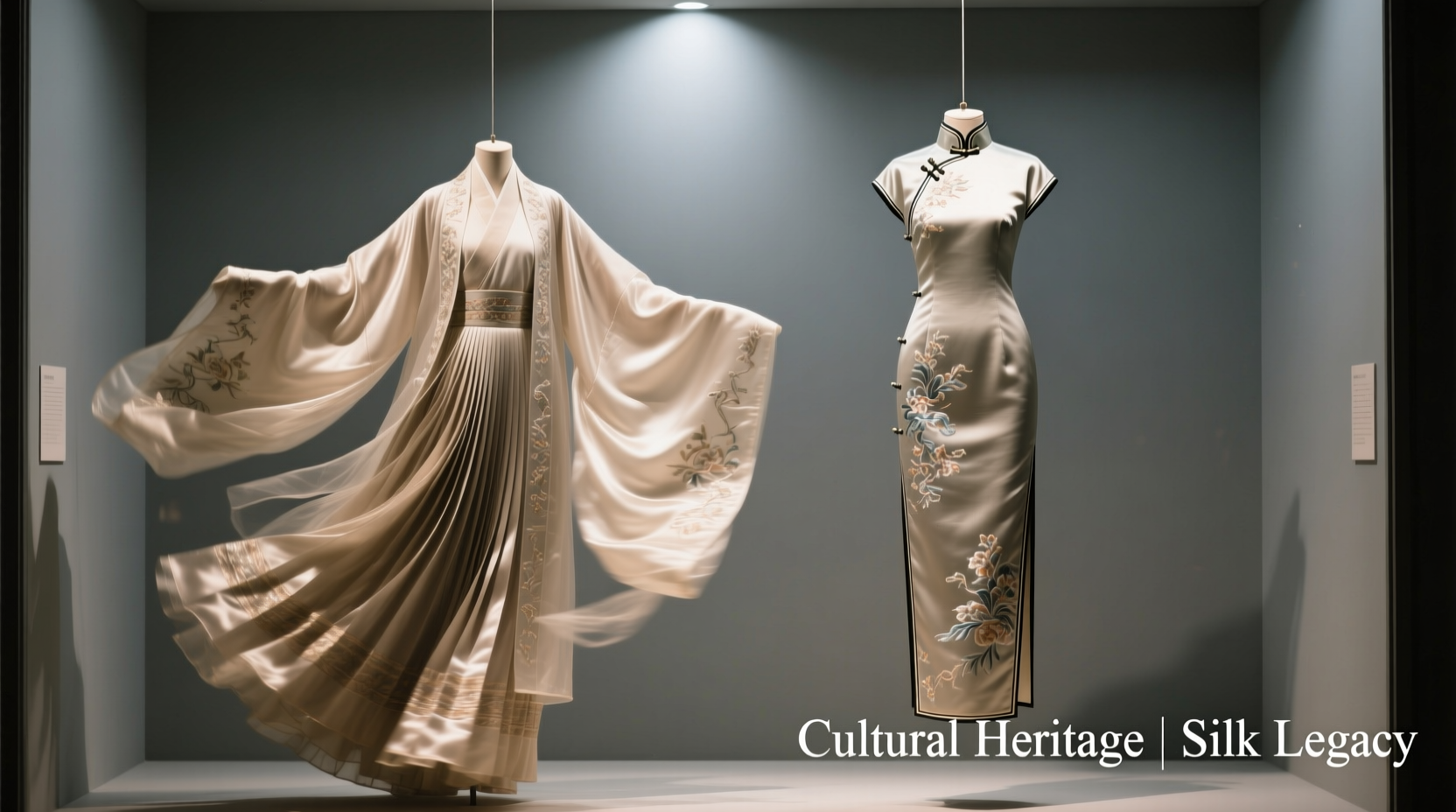
When modern enthusiasts and historians search for a flowy Chinese dress, they are rarely looking for a single, monolithic garment. Instead, they are seeking a specific aesthetic achieved through centuries of traditional flat-pattern cutting (平面裁剪, pingmian caijian). Unlike Western tailoring, which relies on darts, seams, and structured bodices to mold fabric to the body's three-dimensional curves, traditional Chinese garment construction utilizes straight lines and generous fabric allowances. This results in garments that drape, cascade, and move fluidly with the wearer's natural motion, creating an ethereal, unstructured silhouette that prioritizes elegance and comfort over restrictive form-fitting.
Understanding the nuances of these flowing silhouettes requires looking past modern, mass-produced costume interpretations and examining the historical garments that inspired them. From the sweeping skirts of the Tang Dynasty to the intellectual grace of the early Republican era, the fluid Chinese dress represents a mastery of textile manipulation and cultural philosophy.
Hanfu vs. Republican Qipao: Which Flowy Style Suits You?
The term 'flowy Chinese dress' generally encompasses two major historical categories that have seen massive revivals in contemporary fashion: traditional Hanfu and the early, unstructured versions of the Qipao. Both offer breathtaking drape, but their construction, cultural contexts, and styling requirements differ vastly.
The Tang Dynasty Qixiong Ruqun (Chest-High Skirt)
If your vision of a flowing garment involves high-waisted elegance and sweeping, floor-grazing ribbons, the Tang Dynasty (618–907 CE) Qixiong Ruqun (齐胸襦裙) is the definitive choice. This style consists of a short, lightweight upper garment (ru) tucked into a voluminous skirt tied securely above the bust. The 'flow' in this style is achieved through the use of Poqun (破裙)—skirts constructed from multiple alternating triangular panels of fabric that flare out dramatically when the wearer walks or spins. According to textile archives at the The Metropolitan Museum of Art, Tang dynasty weavers excelled in creating sheer, lightweight silks that allowed these multi-panel skirts to billow like clouds without adding excessive weight.
The Song Dynasty Beizi (Open-Front Coat)
For a more understated, vertical flow, the Song Dynasty (960–1279 CE) Beizi (褙子) is unparalleled. The Beizi is a long, open-front coat with straight, parallel columns and dramatic, wide sleeves. Because it is left unfastened at the front, it creates a beautiful cascading effect over the inner garments and skirt. The sleeves often feature the Daxiushan (large sleeve) cut, where the fabric drops down past the hands, creating a wing-like silhouette that moves gracefully with the breeze. This style is favored by modern practitioners for its layering potential and intellectual, refined aesthetic.
The 1920s Loose-Fit Qipao (Civilian Gown)
Many people mistakenly believe the Qipao (旗袍) is inherently skin-tight. However, the iconic, restrictive, darted Qipao is a product of 1930s and 40s Shanghai tailoring. The original 1920s Republican-era Qipao, worn by female students and intellectuals, was a distinctly flowy Chinese dress. Cut in an A-line or H-line silhouette from a single piece of fabric with wide, inverted sleeves, it hung loosely from the shoulders, completely skimming the waist and hips. This early iteration, heavily documented in the collections of the Peabody Essex Museum, represents a transitional era of women's liberation in China, utilizing fluid fabrics like crepe de chine and soft cotton to allow for ease of movement and bicycle riding.
Fabric Weight and Drape: A Technical Comparison
The secret to a truly authentic flowing silhouette lies in the textile. A stiff brocade will stand away from the body, while a high-momme silk will pool and ripple. Below is a technical comparison of fabrics used in traditional flowing garments.
| Fabric Type | Weight & Drape Quality | Best Historical Application | Avg. Price per Meter (USD) |
|---|---|---|---|
| Xiangyunsha (香云纱) | Medium weight, crisp but fluid; rustles softly. Dyed with yam juice and river mud. | Ming/Qing era wide-sleeve coats, premium modern Hanfu. | $80 - $150+ |
| Silk Chiffon / Qiaoqi | Ultra-lightweight, highly fluid, sheer. Excellent for layered, ethereal looks. | Tang Dynasty shawls (Pibo), summer Ruqun overlays. | $15 - $35 |
| Mulberry Silk Crepe | Medium-light, matte finish, heavy drape. Pools beautifully on the floor. | 1920s loose Qipao, Song Dynasty inner layers. | $40 - $70 |
| Ramie (夏布) | Lightweight but structured. Flows with movement but holds its shape in wind. | Scholar's robes, everyday summer Hanfu, peasant garments. | $20 - $50 |
For those seeking the ultimate 'water-like' drape, 19-momme to 22-momme silk crepe is the gold standard. As highlighted by the China National Silk Museum, the continuous filament of mulberry silk allows for a liquid fall that synthetic polyesters simply cannot replicate, as synthetics tend to trap static and float away from the body rather than draping over it.
Sourcing Authentic Flowy Chinese Dresses: Price Tiers and Artisans
Navigating the market for traditional Chinese clothing requires an understanding of the manufacturing landscape. The price of a flowy Hanfu or vintage-style Qipao varies wildly based on construction accuracy, fabric origin, and embroidery techniques.
- Mass-Market / Entry Tier ($40 - $90): Brands on platforms like Taobao (e.g., Shisanyu, Chong Hui Han Tang) offer beautiful, entry-level flowing dresses. These are typically made from polyester blends or lightweight cotton. While they capture the visual essence of the Ruqun or Beizi, the drape may lack the heavy, luxurious fall of natural fibers.
- Mid-Tier Artisan ($150 - $350): At this level, you find accurate historical patterning, such as proper jiaoling youren (cross-collar, right over left) alignments and genuine silk or high-grade ramie. Brands in this tier often employ traditional pleating techniques for skirts, ensuring the pleats remain sharp even when the skirt flares out.
- Heritage & Bespoke ($500 - $2,000+): True investment pieces involve heritage textiles like Xiangyunsha or hand-woven Nanjing Yunjin brocade accents. Bespoke tailors will measure the wearer's arm span to perfectly calibrate the drop of a pipaxiu (lute-shaped sleeve), ensuring the fabric flows off the wrist without dragging on the ground.
Cultural Protocols: Wearing Flowy Silhouettes with Respect
Wearing a traditional flowing garment is an act of participating in living cultural heritage. To wear these pieces respectfully, one must adhere to foundational sartorial rules that have governed Chinese dress for millennia.
The most critical rule is the alignment of the collar. In Hanfu styles featuring a cross-collar, the left side of the garment must always cross over the right side, securing on the wearer's right side. This is known as jiaoling youren (交领右衽). Reversing this (left over right) is historically reserved strictly for the deceased and is considered highly inauspicious.
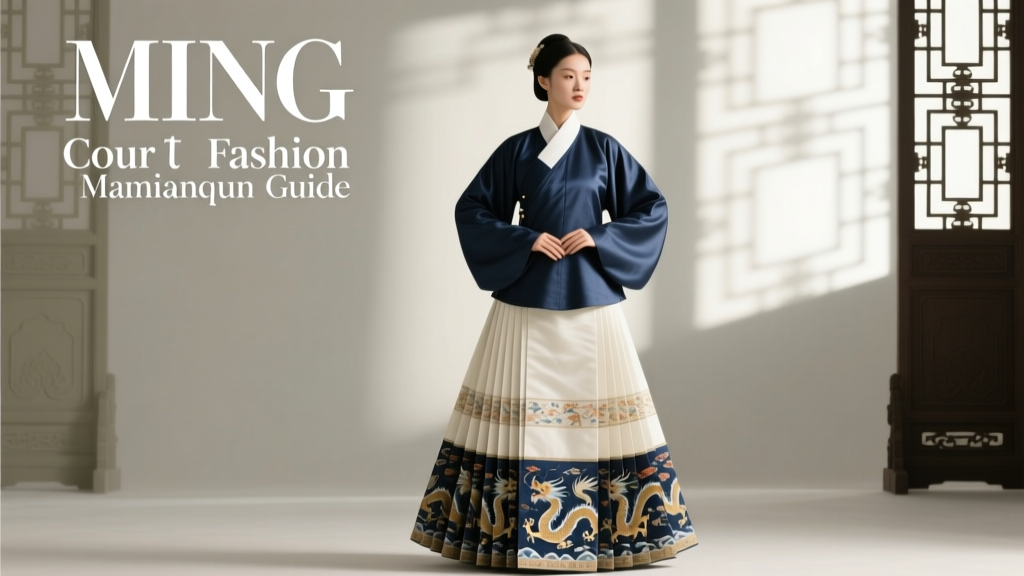
Furthermore, when styling a flowy Chinese dress for modern settings, consider the hemline and footwear. Traditional mamianqun (horse-face skirts) and poqun are designed to hover just above the ground or lightly brush it. Pairing these with modern heels can disrupt the historical proportion and cause the wearer to trip on the generous fabric. Flat embroidered shoes, leather Mary Janes, or minimalist loafers maintain the garment's natural gravity and respect its original design intent. By understanding the engineering, history, and cultural weight of these garments, wearers can fully appreciate the timeless elegance of the flowing Chinese silhouette.