Hanfu Female Styles: Historical vs Modern

The Architecture of Elegance: Understanding Female Hanfu
The term hanfu female encompasses far more than a single dress; it represents a vast, evolving sartorial lexicon spanning over three millennia of Han Chinese history. As the modern Hanfu revival movement (Hanfu Fuxing) continues to flourish globally, enthusiasts and newcomers alike are discovering that traditional Chinese clothing is deeply categorized by dynasty, social class, and structural engineering. Unlike the modern, body-conforming qipao, traditional female Hanfu prioritizes the harmony between the human form and the natural drape of the fabric, utilizing flat-pattern cutting that creates fluid, sweeping silhouettes.
To truly appreciate and accurately wear these garments, one must understand the distinct varieties that define different historical epochs. From the romantic, gravity-defying chest-high skirts of the Tang Dynasty to the structured, dignified jackets of the Ming Dynasty, each style offers a unique window into the cultural zeitgeist of its time. This guide compares the primary female Hanfu varieties, detailing their construction, historical context, and practical considerations for modern collectors and wearers.
Major Hanfu Female Varieties: A Historical Comparison
When searching for authentic Hanfu, you will encounter specific terminology that dictates the garment's structure. The three most prominent styles worn by women today correspond to the Tang, Song, and Ming dynasties.
Tang Dynasty: Qixiong Ruqun (Chest-High Skirt)
The Tang Dynasty (618–907 CE) was an era of cosmopolitan openness, economic prosperity, and artistic flourishing. Female fashion reflected this confidence with bold colors, expansive sleeves, and the iconic Qixiong Ruqun (齐胸襦裙). This ensemble consists of a short-sleeved or long-sleeved top (Shan) and a high-waisted skirt tied securely above the bust, often accompanied by a draped shawl called a Pibo (披帛).
The Qixiong silhouette elongates the lower body, creating a statuesque, ethereal appearance. According to textile archives at the China National Silk Museum, Tang weavers favored lightweight silks, gauzes, and damasks that allowed for voluminous gathering without excessive weight. Today, modern reproductions often use silk chiffon or high-quality polyester blends to achieve the necessary drape at a lower price point, though purists seek out mulberry silk for historical accuracy.
Song Dynasty: Beizi and the Slender Silhouette
In stark contrast to the exuberance of the Tang, the Song Dynasty (960–1279 CE) favored intellectualism, minimalism, and refined elegance. The defining female garment of this era is the Beizi (褙子), a long, open-front outer coat with straight collars and side slits that extend up to the armpit.
Worn over a narrow-sleeved inner top and a pleated skirt, the Beizi creates a slender, vertical line that emphasizes modesty and grace. Song aesthetics favored muted, nature-inspired color palettes—celadon greens, pale lotus pinks, and misty grays. The fabric of choice was often Luo (罗), a complex, breathable gauze weave that provided structure while remaining translucent. For modern wearers, the Song Beizi is highly versatile; its straight cut and open front allow it to be styled over contemporary clothing, such as turtlenecks and wide-leg trousers, bridging the gap between historical costume and modern fashion.
Ming Dynasty: Aoqun and the Mamianqun
The Ming Dynasty (1368–1644 CE) represents the zenith of traditional Hanfu tailoring, introducing structured garments that heavily influence modern Hanfu brands. The quintessential female ensemble is the Aoqun (袄裙), comprising a lined or padded jacket (Ao) and a skirt (Qun). Unlike earlier cross-collar styles, Ming jackets frequently featured the Liling (立领), a stand-up collar fastened with intricate metal or jade buttons known as Kou (扣).
The undisputed star of the Ming wardrobe is the Mamianqun (马面裙), or "horse-face skirt." This wrap-around skirt features flat, unpleated panels at the front and back (the "horse faces"), with deep, structured knife pleats on the sides. The flat panels are often heavily woven with gold and silver threads, depicting auspicious motifs like dragons, phoenixes, or floral scrolls. The structural integrity of the Mamianqun makes it incredibly practical for modern life, and it has recently seen a massive surge in popularity as a standalone piece paired with modern blouses.
Comparative Guide: Silhouettes, Fabrics, and Price Ranges
Understanding the practical differences between these dynastic styles is crucial for building a well-rounded Hanfu wardrobe. The following table outlines the core characteristics and current market pricing for authentic reproductions.
| Dynasty | Primary Garment | Silhouette & Vibe | Key Structural Feature | Avg. Price Range (USD) |
|---|---|---|---|---|
| Tang | Qixiong Ruqun | Voluminous, romantic, ethereal | Skirt tied above the bust; Pibo shawl | $45 – $150 |
| Song | Beizi | Slender, minimalist, intellectual | Straight collar, high side-slits | $60 – $200 |
| Ming | Aoqun / Mamianqun | Structured, dignified, regal | Stand collar, metal buttons, pleated skirt | $120 – $450+ |
*Note: Prices vary wildly based on fabric. Mass-market synthetic sets on platforms like Taobao or AliExpress occupy the lower end, while artisan-crafted garments using traditional brocades or Xiangyunsha silk occupy the higher end.
Core Construction Rules: The Jiaoling Youren Principle
Regardless of the dynasty, nearly all traditional Hanfu adheres to a sacred geometric and cultural rule: Jiaoling Youren (交领右衽). This translates to "crossed collar, right lapel."
"The left side of the garment must always cross over the right side, securing the collar on the wearer's right side. This reflects the traditional Chinese philosophical concept of Yang (life, the left) overcoming Yin (death, the right). Reversing this to 'left lapel' (Zuoren) was historically reserved exclusively for the deceased or considered a mark of barbarism."
When purchasing or dressing in a cross-collar Ruqun or Shenyi, ensuring the correct overlap is the most critical step in showing cultural respect. The garments are secured not with zippers or western buttons, but with internal and external ties (Ji) that allow the wearer to adjust the fit to their exact body proportions, embodying the traditional philosophy that the clothing should adapt to the human, not the other way around.
Sourcing Authentic Hanfu: Artisans vs. Mass Market
The modern Hanfu market is bifurcated into fast-fashion reproductions and meticulous artisan recreations. For those seeking historical accuracy, institutions like the Smithsonian National Museum of Asian Art provide vital visual records of historical textiles that top-tier Hanfu brands use as reference points.
High-end brands such as Minghuatang and Shisanyu invest heavily in researching historical weaving techniques. A premier fabric in the luxury Hanfu market is Xiangyunsha (Gambiered Canton Gauze). Originating from Guangdong, this silk is dyed with potato juice and coated in iron-rich river mud, then sun-baked. The result is a rustling, water-resistant, and incredibly durable fabric that can cost upwards of $300 USD per yard. Conversely, beginners can find beautiful, durable polyester-blend Mamianqun skirts from accessible brands like Zhongzheng Hanfu for around $40 to $70 USD, which are machine-washable and perfect for daily wear.
Cultural Protocols for Wearing Female Hanfu Today
Wearing Hanfu in the modern era is an act of cultural reclamation and personal expression. To wear it with dignity and respect, observe the following protocols:
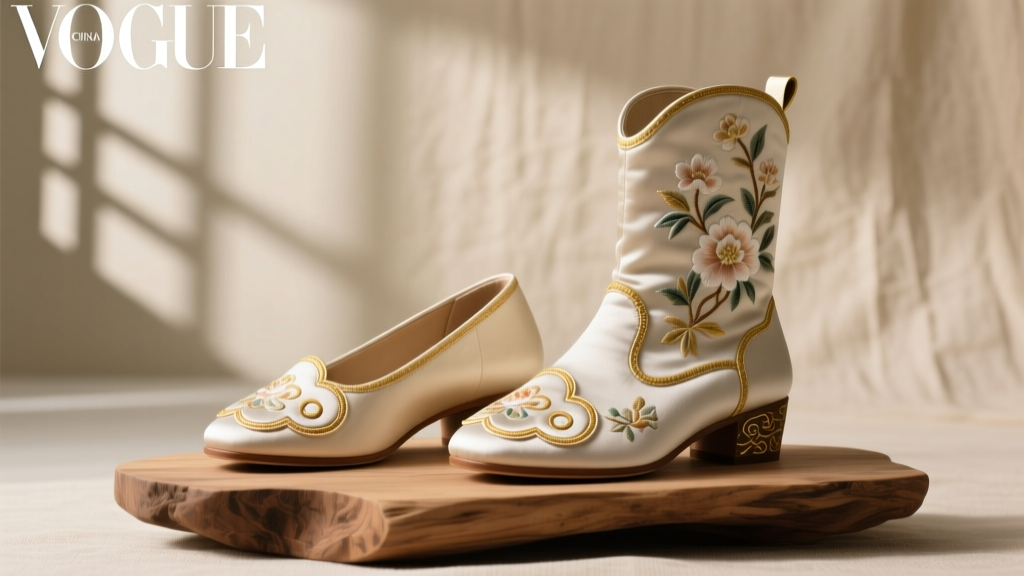
- Footwear: While traditional embroidered cloth shoes (Xie) are ideal, modern wearers frequently pair Mamianqun with leather Mary Janes, ankle boots, or clean white sneakers. Avoid overly casual flip-flops or athletic running shoes, as they disrupt the garment's elegant drape.
- Hair and Accessories: Traditional hairstyles elevate the Hanfu experience. Use a Zan (簪 - a single-prong hairpin) or a Buyao (步摇 - a dangling hairpin that sways with movement). Avoid wearing plastic, novelty costume jewelry; opt for carved wood, jade, resin, or metal accessories.
- Layering: Hanfu is designed for layering. Never wear a cross-collar top without an inner layer (Zhongyi), as the collar should sit cleanly against the skin or an undergarment to protect the delicate silk from oils and sweat.
- Posture and Movement: The generous sleeves (especially in Tang and Ming styles) require mindful movement. When greeting others or navigating crowded spaces, practice the traditional gesture of clasping your hands in front of your waist and bowing slightly, keeping the sleeves draped elegantly over your forearms.
By understanding the deep historical roots and structural nuances of female Hanfu, wearers do more than just put on a beautiful dress; they participate in a living, breathing dialogue with Asian heritage, ensuring these magnificent sartorial traditions continue to thrive in the 21st century.