Complete Care Guide: Female Chinese Traditional Costume

The Philosophy of Garment Preservation in Chinese Culture
Caring for a female Chinese traditional costume extends far beyond basic laundry; it is an act of cultural preservation and respect for centuries of artisanal craftsmanship. Whether you own a flowing Hanfu Ruqun, a meticulously pleated Mamianqun, or a bespoke silk Qipao, these garments are constructed from delicate natural fibers and feature intricate embellishments that require specialized maintenance. According to conservation guidelines from the China National Silk Museum, the protein structure of traditional mulberry silk is highly susceptible to alkaline degradation, meaning standard modern washing routines can permanently destroy historical and contemporary replicas alike.
This comprehensive care guide provides actionable, fabric-specific protocols to help you maintain the structural integrity, vibrant dyes, and cultural elegance of your female Chinese traditional costume for decades to come.
Identifying Your Garment: Hanfu, Qipao, and Mamianqun
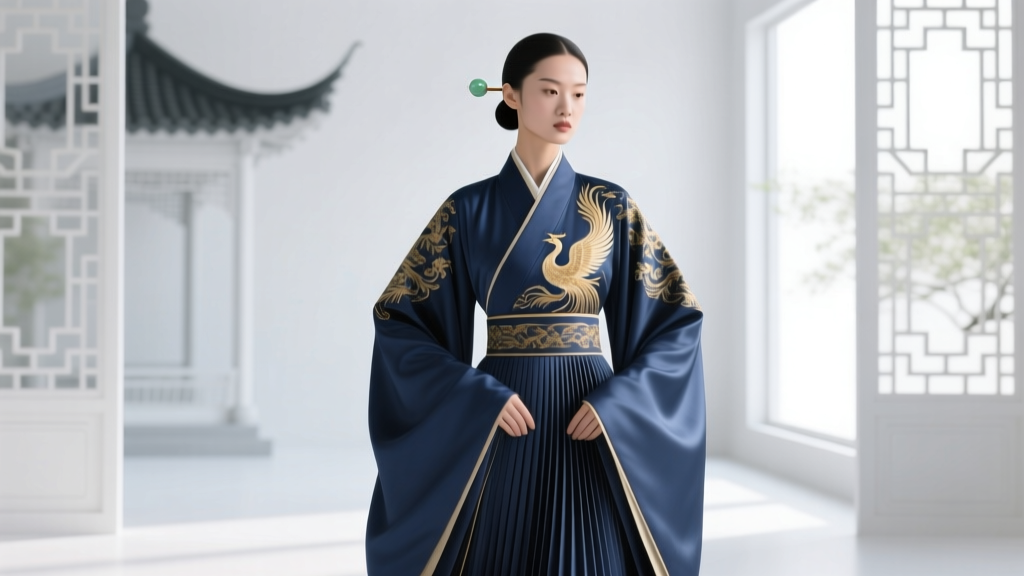
Before applying any cleaning or storage methods, it is crucial to identify the specific architectural construction of your garment, as this dictates how it should be handled.
The Mamianqun (Horse-Face Skirt) Pleat Maintenance
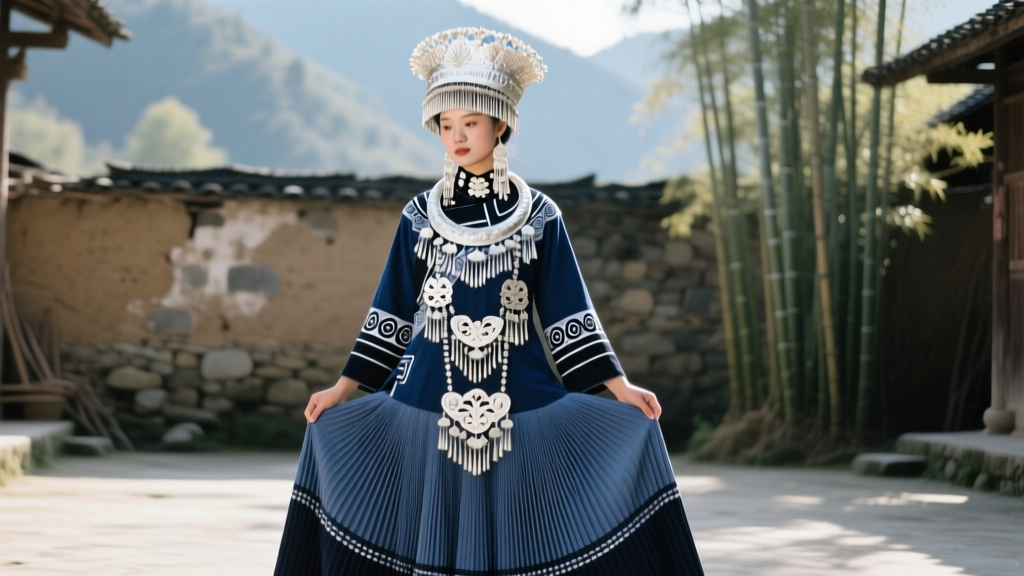
The Mamianqun, a staple of Ming Dynasty Hanfu that has seen a massive revival in modern wardrobes, is defined by its flat front and back panels (mamian) and sharply pressed side pleats. The most common mistake owners make is hanging a wet Mamianqun, which causes the heavy brocade or woven jacquard to stretch and the pleats to blow out. To maintain the knife and box pleats, the skirt must be dried flat and re-pressed using a specialized folding technique. Conservators at The Palace Museum in Beijing recommend storing these skirts flat or rolled around acid-free tubes to prevent permanent creasing across the flat panels.
The Qipao (Cheongsam) and Structural Stress Points
The modern Qipao, tailored to follow the natural contours of the body, places significant stress on the side slits (kaicha) and the intricate knotted frog buttons (pankou). When caring for a Qipao, always fasten every single pankou before washing or storing. Leaving them unfastened allows the bias-cut silk to warp and stretch out of shape, ruining the bespoke tailoring which often costs between $800 and $4,000 USD for authentic, hand-finished pieces.
Fabric-Specific Washing and Cleaning Protocols
Traditional Chinese garments utilize a wide array of natural fibers, each with distinct chemical tolerances. Silk is a protein fiber (fibroin), while ramie and linen are plant-based cellulose fibers. Using an enzymatic or alkaline detergent on silk will literally digest the fabric over time.
| Garment / Fabric Type | Wash Method | Water Temp | Detergent Type | Iron / Steam Setting |
|---|---|---|---|---|
| Mulberry Silk Qipao / Ruqun | Hand Wash / Dry Clean | Cold (Max 30°C) | pH-Neutral Silk Wash | Low Heat (110°C) with press cloth |
| Mamianqun (Woven Brocade) | Dry Clean Only | N/A | Professional Solvent | Steam Only (Hover, no contact) |
| Ramie / Linen Summer Hanfu | Hand / Gentle Machine | Warm (40°C) | Mild Liquid Detergent | Medium-High (150°C) while damp |
| Xiangyunsha (Gambiered Silk) | Hand Wash Only | Cold (Max 25°C) | Neutral / No Soap | Low Steam, No Direct Iron |
Handling Xiangyunsha (Gambiered Canton Gauze)
Xiangyunsha is a luxurious, heritage silk dyed with薯莨 (shuliang) yam juice and sealed with iron-rich river mud. It has a distinct crisp texture and a dark, earthy sheen. This fabric must never be subjected to standard dry cleaning chemicals or alkaline soaps, which will strip the mud coating and ruin the dye. Rinse gently in cool water with a splash of white vinegar to maintain the pH balance, and dry exclusively in the shade, as UV rays will rapidly degrade the yam tannins.
Handling Delicate Embroideries (Su and Shu Silk)
If your female Chinese traditional costume features Su embroidery (known for its impossibly fine, split-silk threads) or metallic gold couching (dingjin), submersion washing is highly discouraged. Water can cause the metallic threads to oxidize and the silk floss to bleed. Instead, use a specialized textile vacuum with a low-suction screen, or take the garment to a conservator familiar with Asian textiles, such as those trained by The Metropolitan Museum of Art's Costume Institute.
Drying, Ironing, and Steaming Techniques
Never wring or twist wet silk Hanfu or Qipaos. The mechanical action breaks the continuous silk filaments, leading to permanent 'fuzzing' and micro-tears. Instead, roll the garment gently in a clean, dry cotton towel to absorb excess moisture.
- Steaming: A handheld steamer is the safest method for removing wrinkles from delicate silk Ruqun and Qipaos. Hold the steamer nozzle at least 5 inches away from the fabric to prevent water spotting.
- Ironing: If you must use an iron, always use the 'Silk' setting (usually around 110°C or 230°F). Place a clean, white cotton press cloth between the iron and the garment. Never iron directly over embroidered areas or metallic threads, as the heat will melt the synthetic backing often used in modern embroidery threads or crush the texture of traditional metallic gold.
- Pleat Re-pressing: For a Mamianqun that has lost its pleats, lay it flat on an ironing board. Align the pleats manually, pin them in place using glass-head silk pins, and press with a steam iron hovering just above the fabric. Allow the skirt to cool completely before moving it to set the pleats.
Long-Term Storage and Pest Prevention
Proper storage is where most damage to traditional garments occurs. The enemies of silk and brocade are light, moisture, acidity, and pests.
The Roll vs. Fold Debate
Heavy, structured garments like Ming-style Mamianqun or heavily embroidered winter Qipaos should ideally be stored flat in archival boxes. If you must fold them, pad the folds with unbuffered acid-free tissue paper. Buffered tissue (which contains calcium carbonate) is excellent for plant-based fibers like cotton and linen, but the alkaline buffer can damage protein-based silk over time. Never hang heavy brocade Hanfu on wire or thin wooden hangers; the weight of the skirt will warp the waistband and stretch the cross-collars (jiaoling youren). Use wide, padded velvet hangers for tops, and clip hangers with padded jaws for lightweight skirts.
Natural Pest Deterrents
Silk and wool are highly attractive to clothes moths and carpet beetles. Avoid traditional mothballs (naphthalene or paradichlorobenzene), as these chemicals release toxic fumes that can yellow silk and degrade metallic threads. Instead, use natural zhangmu (camphor wood) blocks or cedar rings. Place them in the corners of your wardrobe or storage boxes, ensuring they do not directly touch the fabric, as the natural oils in the wood can stain delicate silks.
When to Seek Professional Conservation
While daily maintenance can be handled at home, certain situations require professional intervention. If your vintage Qipao or antique Hanfu exhibits 'shattered silk' (where the fabric cracks and tears along fold lines due to historical metallic salt weighting), stop wearing it immediately. Similarly, if you encounter mysterious yellowing, mold blooms, or active pest infestations, consult a professional textile conservator. Attempting to wash shattered or mold-damaged silk at home will result in catastrophic loss of the garment.
By understanding the unique material science and cultural architecture of the female Chinese traditional costume, you ensure that these beautiful garments remain vibrant, wearable testaments to Asian heritage for generations to come.