Chinese Hanfu Female Event Guide: Styling for Occasions

The Living Heritage of the Hanfu Movement
The global resurgence of traditional Han Chinese clothing, known as the Hanfu Yundong (Hanfu Movement), has transformed historical garments from museum artifacts into a vibrant, living wardrobe. For women, this renaissance offers a profound connection to thousands of years of textile artistry, regional craftsmanship, and cultural philosophy. Navigating the contemporary Chinese hanfu female wardrobe requires more than simply purchasing a beautiful silk dress; it demands an understanding of historical dynasties, structural layering, and the specific cultural protocols tied to different life events.
Whether you are attending a traditional betrothal ceremony, hosting a tea gathering, or celebrating the Lunar New Year, selecting the appropriate silhouette is paramount. This guide decodes the complex world of women's Hanfu, providing an actionable framework for styling, sourcing, and wearing these garments with cultural respect and historical accuracy.
Silhouettes Through the Dynasties: A Core Primer
Before matching garments to occasions, one must understand the foundational silhouettes that define the Chinese hanfu female aesthetic. The evolution of Hanfu is generally categorized by three major dynastic styles, each with distinct construction and cultural resonance.
Tang Dynasty (618–907 AD): The Qixiong Ruqun
Characterized by cosmopolitan influence along the Silk Road, Tang dynasty fashion was bold, vibrant, and voluminous. The Qixiong Ruqun (chest-high skirt) is the most iconic female silhouette of this era. It consists of a high-waisted skirt tied securely above the bust, often paired with a short-sleeved or long-sleeved ru (top) and a pibo (a long, flowing silk stole draped over the arms). The Metropolitan Museum of Art's Asian Art Department notes that Tang textiles frequently featured large, circular floral medallions and pearl-roundels, reflecting Persian and Central Asian trade influences.
Song Dynasty (960–1279 AD): Elegance and Restraint
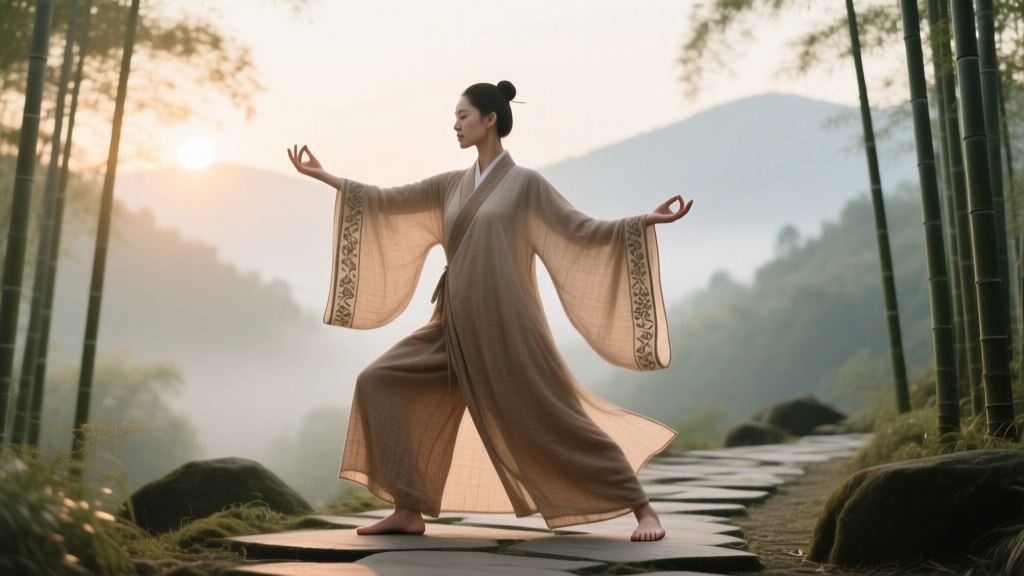
In stark contrast to Tang exuberance, Song dynasty aesthetics favored intellectual elegance, minimalism, and slender silhouettes. The Beizi (a long, parallel-collared jacket worn open over a pleated skirt or trousers) became the staple for elite women. Fabrics were often solid-colored or featured subtle, tone-on-tone damask weaves, emphasizing the drape and quality of the silk rather than loud patterns.
Ming Dynasty (1368–1644 AD): Structure and Grandeur
The Ming era established the most structured and heavily layered silhouettes, which remain the gold standard for modern formal Hanfu. The Aoqun (a lined or padded jacket worn over a skirt) and the legendary Mamianqun (horse-face skirt) dominate this category. The Mamianqun is a masterpiece of flat-pattern cutting, featuring two overlapping trapezoidal panels with flat, unpleated sections at the front and back (the 'horse faces'), and deep, structured knife pleats on the sides.
The Occasion & Event Matrix
Matching the correct dynastic style and fabric to your event is crucial for cultural appropriateness and personal comfort. Below is a strategic guide for styling Hanfu across major life events.
| Occasion | Recommended Style | Ideal Fabric & Motif | Est. Price Range (USD) |
|---|---|---|---|
| Weddings (Hunli) | Ming Aoqun + Phoenix Crown | Heavy Silk Brocade, Woven Gold | $300 - $1,500+ |
| Lunar New Year | Ming Mamianqun + Padded Ao | Zhijin (Woven Gold), Velvet | $120 - $450 |
| Tea Ceremonies | Song Beizi + Pleated Skirt | Linen, Ramie, Light Silk Damask | $80 - $250 |
| Summer Festivals | Tang Qixiong Ruqun | Gauze, Lightweight Chiffon | $50 - $150 |
| Daily / Modern Wear | Ming Shirt + Modified Skirt | Cotton, Tencel, Jacquard | $40 - $120 |
Weddings and Betrothal Ceremonies (Hunli)
For traditional Han Chinese weddings, the Ming dynasty silhouette is the undisputed standard. Brides typically wear a red or dark blue Aoqun adorned with auspicious motifs like dragons, phoenixes, and peonies. The ensemble is often elevated with a Fengguan (phoenix crown) and Xiapei (an embroidered cape or stole). According to archival research from the Smithsonian National Museum of Asian Art, Ming court robes utilized complex keshi (silk tapestry) weaving techniques, a tradition that modern high-end Hanfu artisans still replicate for bridal wear. Avoid white or pure black, as these are historically associated with mourning.
Lunar New Year and Temple Festivals
Winter festivals call for visual impact and physical warmth. A Ming-style Mamianqun crafted from Zhijin (fabric woven with real or imitation gold thread) paired with a lined or subtly padded Ao (jacket) is perfect. The overlapping panels of the Mamianqun allow for ease of movement while climbing temple stairs, and the heavy brocade provides necessary insulation. Deep reds, emerald greens, and navy blues with metallic weaving catch the light of paper lanterns beautifully.
Tea Ceremonies and Formal Gatherings
Hostessing a tea ceremony requires an aura of tranquility and refined taste. The Song dynasty Beizi is ideal here. Its long, vertical lines elongate the figure, while the open front allows for easy movement when pouring tea. Opt for natural, breathable fabrics like high-grade ramie, linen, or Xiangyunsha (gambiered Canton gauze). The muted, earthy tones of Song-style garments reflect the Zen and Daoist philosophies inherent in traditional tea culture.
The Rules of Wear: Cultural Protocols and Construction
Wearing Hanfu is an exercise in cultural mindfulness. To wear these garments respectfully, one must adhere to strict historical protocols regarding construction and styling.
- Jiaoling Youren (Left Over Right): The most critical rule of Hanfu is the collar direction. The left lapel must always cross over the right lapel, tying at the right side of the waist. The reverse (zuoren, right over left) is strictly reserved for dressing the deceased in burial garments. Wearing it incorrectly is considered highly inauspicious and offensive.
- Layering (Zhongyi): Hanfu is never worn directly against the skin as a single layer. A zhongyi (inner garment, usually white cotton or silk) must be worn underneath to protect the outer silks from sweat and to ensure the collar sits correctly at the neckline.
- Modesty and Hemlines: Traditional Hanfu skirts are designed to graze the floor or sit just above the ankle. Exposing the legs or wearing skirts that end at the knee contradicts historical modesty standards. When purchasing modern 'daily' Hanfu, ensure the skirt length remains respectful to the original proportions.
- Hair and Accessories: Historically, adult women wore their hair up, secured with hairpins (zan) or step-shake pins (buyao). While modern wearers often wear their hair down for convenience, a half-up style featuring a wooden or jade hairpin bridges the gap between historical accuracy and modern practicality.
Sourcing Authentic Pieces: Artisans and Cooperatives
The Hanfu market is vast, ranging from mass-produced polyester costumes to museum-grade artisan reproductions. For those seeking authentic garments, understanding where to invest is key.
The China National Silk Museum in Hangzhou has been instrumental in researching and reviving lost weaving techniques, such as Song brocade and Ming zhuanghua. Brands that collaborate with these heritage cooperatives or utilize traditional wooden looms produce garments of heirloom quality. For example, Xiangyunsha silk—a specialty of Guangdong province dyed with the juice of the shuliang yam and coated in iron-rich river mud—creates a dark, rustling, water-resistant fabric that is entirely unique to the region. A genuine Xiangyunsha Mamianqun can cost upwards of $400 USD due to the labor-intensive, weather-dependent dyeing process.
For mid-tier investments, reputable Taobao and Tmall indie brands (such as Ming Huatang, often referred to as the 'Hermès of Hanfu') offer meticulous, data-driven reproductions of Ming dynasty garments using authentic weaving patterns sourced from the Victoria and Albert Museum's Asian textile archives. These pieces typically range from $150 to $500 USD and offer the best balance of historical accuracy, fabric quality, and wearability for serious enthusiasts.
Final Thoughts on Curating Your Wardrobe
Building a Chinese hanfu female wardrobe is a deeply personal journey through Asian history. By prioritizing correct construction, respecting dynastic contexts, and investing in traditional textiles, you do more than wear a beautiful garment—you participate in the active preservation of a magnificent cultural legacy. Whether you are tying the sash of a Tang dynasty Ruqun for a summer parade or adjusting the heavy brocade of a Ming Mamianqun for your wedding day, the threads of history are quite literally in your hands.