Chinese Womens Styles: Hanfu, Qipao & Mamianqun

The landscape of chinese clothing female traditions is not a monolith; it is a vast, evolving tapestry woven from thousands of years of dynastic shifts, regional climates, and philosophical ideals. While Western media often reduces Chinese dress to the form-fitting qipao or the festive Tang suit, the reality of female Chinese clothing encompasses a breathtaking variety of silhouettes, textile engineering, and cultural codes. For collectors, cultural enthusiasts, and those looking to integrate heritage garments into a modern wardrobe, understanding the distinctions between Hanfu, the Qipao, and the resurgent Mamianqun is essential.
The Evolution of the Silhouette: From Flowing Ruqun to Tailored Haipai

To compare these garments accurately, one must first understand the historical pivot points that shaped them. For over two millennia, the dominant silhouette for Han Chinese women was characterized by flat cutting, generous draping, and a focus on textile surface design rather than body contouring. This philosophy prioritized the harmony between the human body and the natural world, a concept deeply rooted in Daoist and Confucian thought. It was not until the Qing Dynasty (1644–1912) and the subsequent Republic era that structural tailoring, influenced by Manchu traditions and Western pattern-making, began to sculpt the female form.
Deconstructing the Big Three: Hanfu, Qipao, and the Mamianqun
When navigating the market for authentic Chinese garments, buyers will primarily encounter three distinct categories. Each requires a different approach to styling, sizing, and fabric care.
Hanfu (汉服): The Cross-Collared Heritage
Hanfu refers to the historical clothing of the Han Chinese people, spanning from the Huangdi era (circa 2700 BCE) to the mid-17th century. The defining feature of female Hanfu is the jiaoling youren (交领右衽)—the cross-collar where the left lapel crosses over the right, forming a 'y' shape. This right-over-left lapel rule is a strict cultural protocol; reversing it is historically reserved for the deceased.
The most common female Hanfu silhouettes include:
- Ruqun (襦裙): A short top (ru) paired with a high-waisted or mid-waisted wrap skirt (qun). Popular during the Tang Dynasty, it allows for vibrant color-blocking and lightweight silk chiffons.
- Aoqun (袄裙): A lined or padded jacket (ao) worn over a skirt, prevalent in the Ming Dynasty. The collars often stand upright (pipa collar) and fasten with intricate metal or jade clasps.
Construction & Fabric: Hanfu relies on flat-pattern cutting, meaning the fabric is woven to the exact width required, minimizing waste. Authentic pieces utilize natural fibers like mulberry silk, ramie, and linen. According to the Metropolitan Museum of Art, the preservation of historical weaving techniques like kesi (cut silk tapestry) remains vital to high-end Hanfu reproduction today.
Qipao / Cheongsam (旗袍): The Tailored Icon
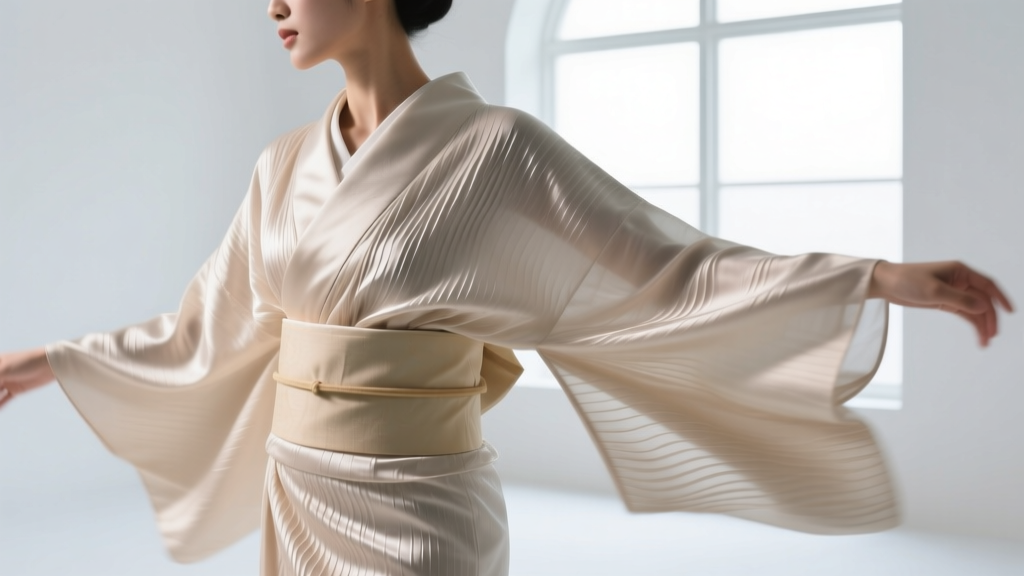
The Qipao (known as Cheongsam in Cantonese) is arguably the most globally recognized piece of Chinese clothing. Originating from the loose, A-line robes of Manchu noblewomen during the Qing Dynasty, it was radically reinvented in 1920s and 1930s Shanghai. This modernized version, known as Haipai (Shanghai style), introduced Western darts, set-in sleeves, and side slits to create a form-fitting silhouette that celebrated the female figure while maintaining modesty.
Key Details: Look for the dajin (the asymmetrical front flap) and pankou (hand-knotted frog buttons). The quality of a Qipao is often judged by the precision of its pattern matching at the seams and the complexity of its pankou designs, which can take an artisan days to knot. For premium textiles, collectors seek out Xiangyunsha (香云纱), a rare Guangdong silk dyed with plant juices and river mud, resulting in a dark, crackled, water-resistant finish that the China National Silk Museum recognizes as a masterwork of intangible cultural heritage.
Mamianqun (马面裙): The Horse-Face Skirt Renaissance

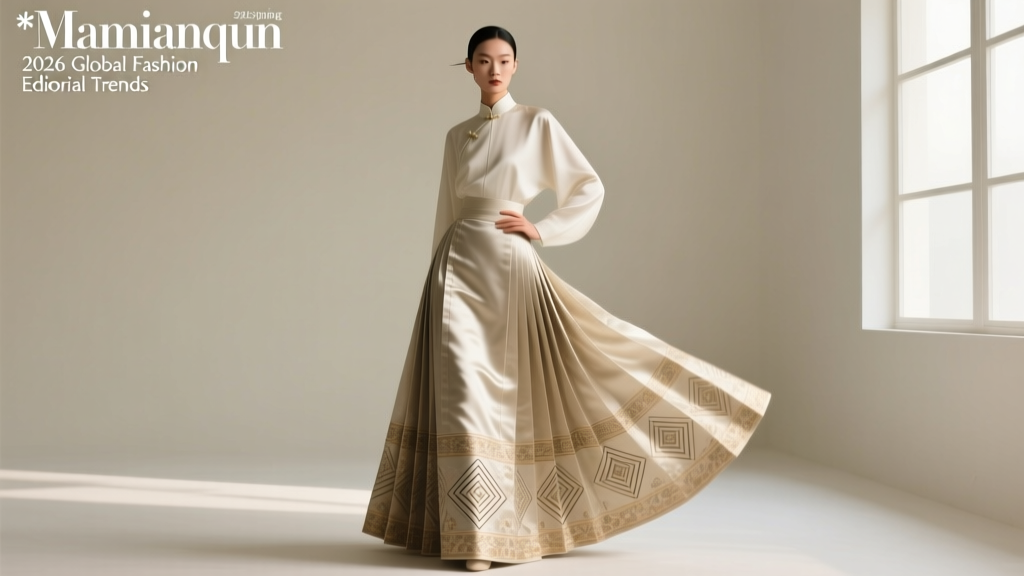
Currently dominating the Xin Zhongshi (New Chinese Style) movement is the Mamianqun, or 'horse-face skirt.' Originating in the Song Dynasty and reaching its zenith in the Ming Dynasty, this skirt features a unique structural paradox: the front and back panels are completely flat and unpleated, while the side panels are heavily pleated and wrapped.
This design allowed women of the Ming and Qing dynasties ease of movement for activities like horseback riding or navigating stairs, while presenting a smooth, unbroken canvas at the front and back for elaborate woven brocade motifs. Today, the Mamianqun is frequently paired with modern blouses or Western blazers, bridging the gap between historical accuracy and contemporary streetwear.
Comparative Matrix: Fabric, Fit, and Formality
To assist in building a culturally literate wardrobe, refer to the following comparison of these primary garments:
| Garment | Silhouette & Fit | Primary Fastening | Best Modern Occasion |
|---|---|---|---|
| Hanfu (Ruqun/Aoqun) | Flowing, oversized, draped; hides body contours. | Fabric sashes, ties, metal clasps. | Cultural festivals, tea ceremonies, historical reenactment. |
| Qipao (Haipai) | Form-fitting, tailored with darts; side slits for mobility. | Pankou (frog buttons), hidden side zippers. | Weddings, formal galas, diplomatic events, evening wear. |
| Mamianqun | Flat front/back with wrapped, pleated side panels. | Waistband ties (often hidden under top). | Everyday streetwear, office attire (Xin Zhongshi style). |
| Tang Suit (Tangzhuang) | Boxy, cropped jacket; loose and structured. | Decorative Pankou down the center front. | Lunar New Year, family gatherings, casual cultural wear. |
Regional Nuances: Cantonese vs. Shanghai vs. Northern Traditions
Geography and climate have heavily dictated the evolution of female Chinese clothing. When sourcing vintage or artisan pieces, recognizing these regional markers adds immense value to a collection.
- Shanghai (Haipai): The epicenter of the modern Qipao. Shanghai tailors pioneered the use of lace trims, velvet, and imported wool crepes. The cut is notoriously close to the body, requiring bespoke fittings.
- Guangdong (Cantonese): Due to the humid, subtropical climate, Cantonese tailoring favors breathable fabrics like linen and Xiangyunsha mud-silk. The cuts are slightly more relaxed, and the collars are often lower to combat the heat.
- Northern China (Beijing): Historically influenced by the Manchu court, Northern garments favor heavier silk brocades (like Song brocade), wider hems, and thicker linings to endure harsh winters. The Victoria and Albert Museum notes that Northern court robes heavily utilized gold-wrapped threads and symbolic rank badges, a tradition that still influences modern heavy ceremonial wear.
Curating Your Collection: Sourcing and Price Tiers
Acquiring authentic Chinese garments requires navigating a market flooded with mass-produced, synthetic costumes. Here is a practical buying framework based on current market realities:
Tier 1: Mass Market & Entry Level ($40 - $120 USD)

At this price point, buyers will find polyester-blend Qipaos and basic cotton Hanfu sets on platforms like AliExpress or Amazon. While suitable for casual themed events, these garments lack structural integrity. The pankou buttons are usually glued or machine-stitched rather than hand-knotted, and the fabrics will not breathe in warm weather.
Tier 2: Artisan & Premium Ready-to-Wear ($150 - $500 USD)
This is the sweet spot for cultural enthusiasts. Brands based in Hangzhou and Suzhou offer Mamianqun woven with real metallic threads and Hanfu made from pure mulberry silk or high-grade ramie. At this tier, expect hand-finished hems, genuine jade or mother-of-pearl buttons, and accurate historical patterning. Look for sellers who specify the 'momme' weight of their silk (16-19 momme is ideal for durable Qipaos; 8-12 momme is standard for flowing Hanfu chiffon).
Tier 3: Bespoke & Intangible Heritage ($800 - $3,000+ USD)
True bespoke Qipaos from master tailors in Shanghai or Hong Kong require multiple muslin fittings. The garment is molded to the wearer's body using steam and specialized irons, a technique that eliminates the need for excessive darts. Furthermore, commissioning a garment featuring Su embroidery (Suzhou silk embroidery) or hand-woven Xiangyunsha pushes the price into the thousands, reflecting hundreds of hours of specialized artisanal labor.
Cultural Protocols and Contemporary Styling
Wearing traditional Chinese clothing carries inherent cultural weight. To wear these garments respectfully, one must observe specific protocols:
- The Lapel Rule: For Hanfu, always ensure the left side of the collar crosses over the right side (youren). The reverse (zuoren) is strictly associated with burial garments and is considered highly inauspicious.
- Color Symbolism: While red is universally celebrated for weddings and Lunar New Year, wearing unadorned, stark white or solid black to a festive gathering or when visiting elders can be frowned upon, as these colors are traditionally linked to mourning. However, in modern Xin Zhongshi streetwear, black Mamianqun with subtle dark-toned brocade are highly fashionable and acceptable in daily life.
- Styling the Qipao: Avoid pairing a formal silk Qipao with casual footwear like sneakers unless intentionally aiming for a specific avant-garde editorial look. Traditionally, closed-toe heels or embroidered cloth shoes are preferred. Ensure the side slits do not open too high when sitting; a well-tailored Qipao will have weighted hems to maintain modesty.
"To wear Hanfu or a Qipao is not merely to put on a costume; it is to wrap oneself in the philosophical and aesthetic history of a civilization. The drape of the silk, the knot of the button, and the weave of the brocade are all silent languages of heritage."
Whether you are investing in a bespoke Shanghai Qipao for a milestone event, or integrating a Ming-style Mamianqun into your daily professional wardrobe, understanding the deep structural and historical roots of female Chinese clothing ensures your choices are both aesthetically stunning and culturally resonant.