Styling a Fairy Hanfu Dress: Modern Ethereal Wear Tips 2026

The Allure of the Ethereal: Defining the Fairy Hanfu Aesthetic
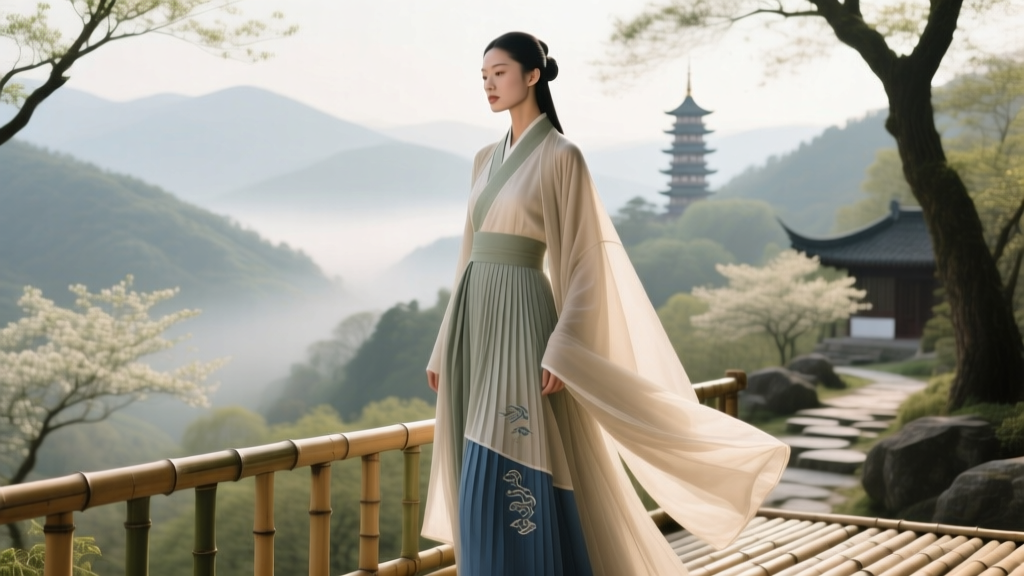
The modern Hanfu movement has birthed a myriad of stylistic sub-genres, but few are as visually captivating and culturally romanticized as the 'fairy' aesthetic. Often inspired by Xianxia (immortal heroes) and Wuxia (martial arts fantasy) media, a fairy hanfu dress is characterized by its sweeping silhouettes, translucent layering, and an unmistakable sense of weightlessness. While these garments draw heavily from Tang Dynasty (618–907 CE) court fashions and Song Dynasty (960–1279 CE) literati elegance, the contemporary 'fairy' interpretation prioritizes ethereal drape and dreamlike movement over strict historical replication.
For modern enthusiasts looking to integrate this breathtaking style into everyday wardrobes or special occasions in 2026, the challenge lies in balancing theatrical elegance with contemporary wearability. Styling a fairy hanfu dress requires an understanding of traditional flat-cutting techniques (pingmian caijian), fabric behavior, and the cultural symbolism embedded in every fold and tie.
Deconstructing the Silhouette: Qixiong and Daxiushan
To style the garment effectively, one must first understand its architectural components. The quintessential fairy hanfu dress usually revolves around two primary garments:
The Qixiong Ruqun (Chest-High Skirt)
The Qixiong Ruqun is a high-waisted skirt that ties above the bust, creating an elongated, flowing lower half that mimics the statuesque proportions seen in Tang Dynasty murals. The skirt is typically constructed from wide panels of fabric—often exceeding three meters in circumference—allowing for deep, cascading pleats. When styling this piece for modern wear, the volume of the skirt is your greatest asset, but also your greatest challenge in crowded urban environments.
The Daxiushan (Large-Sleeved Robe)
Worn as an outer layer, the Daxiushan features dramatically wide sleeves that can extend past the fingertips. In a fairy hanfu ensemble, this piece is usually crafted from sheer or semi-sheer textiles. The wide sleeves dictate your body language; they encourage slow, deliberate movements that naturally enhance the 'immortal' persona associated with the aesthetic.
Fabric Composition: Achieving Ethereal Drape Without the Tangle
The secret to the fairy hanfu dress lies entirely in its textile. Historical garments relied on lightweight silks and gauzes (luo and sha). Today, the market offers a spectrum of fabrics that dictate how the garment moves, breathes, and drapes. Below is a comparative guide to help you select the right material for your climate and styling needs.
| Fabric Type | Drape Quality | Breathability | Price Range (USD) | Ideal Application |
|---|---|---|---|---|
| Silk Organza | Structured, voluminous, floating | High | $180 - $350+ | Outer layers, crisp sleeve silhouettes |
| Polyester Chiffon | Fluid, heavy, clingy in wind | Low | $40 - $85 | Budget-friendly everyday skirts |
| Mulberry Silk Crepe | Soft, cascading, liquid movement | Very High | $150 - $300 | Inner layers, delicate tops |
| Cupro / Rayon Blends | Weighty, elegant, matte finish | Medium-High | $70 - $130 | Modern transitional weather styling |
Styling Tip: To achieve the ultimate 'fairy' look without the garment tangling around your legs in the wind, opt for a Qixiong skirt made of heavy cupro or mulberry silk crepe for the base layer, and layer a sheer silk organza Daxiushan over it. The weight of the inner skirt anchors the outfit, while the organza provides the desired ethereal halo effect.
Modern Layering and the Art of the Pibo
No fairy hanfu dress is complete without the Pibo—a long, flowing ribbon or stole draped over the arms and shoulders. Historically introduced to China via the Silk Road and heavily influenced by Central Asian and Buddhist iconography, the Pibo adds a vital horizontal line that breaks up the extreme verticality of the chest-high skirt.
In 2026, modern styling leans toward tonal layering. Instead of contrasting the Pibo against the dress, contemporary Hanfu stylists recommend using a gradient or monochromatic palette. For example, pairing a pale celadon green skirt with a misty white top and an ombre jade-to-white Pibo creates a cohesive, watercolor-like visual that feels distinctly high-fashion rather than costumey.
Practical Hacks for the Contemporary Immortal
Wearing traditional flat-cut garments in a modern, fast-paced world requires a few practical adjustments. The most notorious issue with the Qixiong Ruqun is its tendency to slip down, as it relies entirely on fabric tension and tied knots rather than structured tailoring or darts.
- The Anti-Slip Hack: Use double-sided fashion tape along the inner top edge of the skirt where it meets the skin or inner garment. Alternatively, many modern Hanfu brands now include hidden silicone grip strips inside the waistband.
- Managing the Sleeves: When dining or working, utilize a Panling (a decorative cord or subtle magnetic clasp) to tie back the wide sleeves. You can also embrace the traditional 'knotting' technique, loosely tying the sleeve cuffs behind your back to create a temporary, elegant bustle effect.
- Footwear Integration: While traditional cloud-toe shoes (yunjian xie) are beautiful, they are impractical for city streets. Modern styling embraces minimalist leather Mary Janes, sleek pointed-toe flats, or even low-profile Chelsea boots in neutral tones. The contrast between a flowing, ancient hemline and sharp, modern footwear grounds the outfit in the present day.
Accessorizing with Cultural Resonance
When accessorizing a fairy hanfu dress, the goal is to evoke the spirit of the literati or the celestial being without descending into theatrical cosplay. Hair styling should remain relatively understated to let the garment speak. A simple half-up twist secured with a single, high-quality Zanzi (hairpin) carved from nephrite jade or sandalwood is vastly superior to a headpiece overloaded with plastic floral appliqués.
Jewelry should be kept minimal and symbolic. A simple jade Ping'an Kou (peace buckle) pendant on a delicate silk cord honors traditional Chinese gemology while maintaining a clean, modern neckline. According to textile historians at the Victoria and Albert Museum (V&A) Asian Collections, the integration of jade and silk has been a cornerstone of Chinese sartorial identity for millennia, representing the harmony of hardness and softness, morality and grace.
Cultural Context: Honoring the Lineage
It is vital to acknowledge the distinction between historical artifacts and modern fantasy interpretations. The 'fairy' Hanfu is largely a product of the 21st-century Hanfu revival movement, heavily mediated by television dramas and digital art. While the Qixiong Ruqun has undeniable roots in the Tang Dynasty, the ultra-sheer, heavily embroidered, pastel iterations popular today are modern romanticizations.
'The contemporary Hanfu movement is not merely about historical reenactment; it is a living dialogue between ancestral aesthetics and modern identity. Garments inspired by Xianxia fantasies allow wearers to embody cultural ideals of elegance and transcendence, even as the textiles and construction methods evolve to suit modern lifestyles.'
Institutions like the China Silk Museum in Hangzhou continue to preserve the actual weaving techniques of ancient gauzes and brocades, reminding us that the true magic of Chinese textiles lies in their intricate loom structures, not just their flowing silhouettes. Furthermore, the Metropolitan Museum of Art frequently highlights how Asian textiles have historically influenced global fashion, underscoring the importance of treating these garments with the respect due to any major cultural heritage.
Final Thoughts on Ethereal Styling
Styling a fairy hanfu dress is an exercise in poetry and pragmatism. By understanding the architectural flow of the Qixiong skirt, selecting fabrics that move with intentionality, and grounding the ensemble with modern accessories and practical styling hacks, you can wear this breathtaking garment with confidence. Whether you are attending a cultural festival, a spring tea ceremony, or simply walking through a botanical garden, the ethereal Hanfu allows you to carry a piece of living, breathing art history into the modern world.