Decoding Chinese Costume Dramas: A Hanfu History Guide
The Allure of the Screen: Fantasy vs. Historical Reality
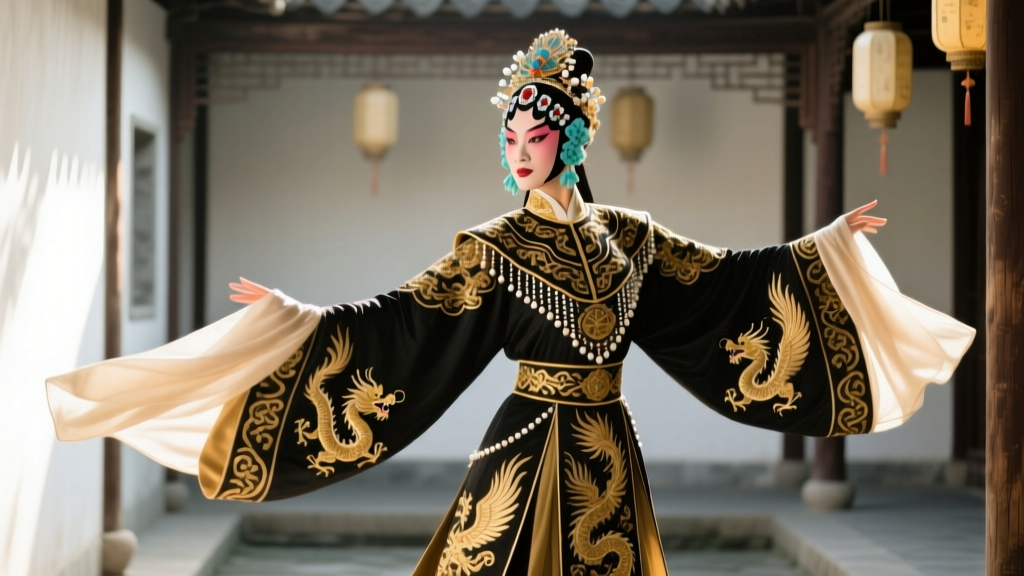
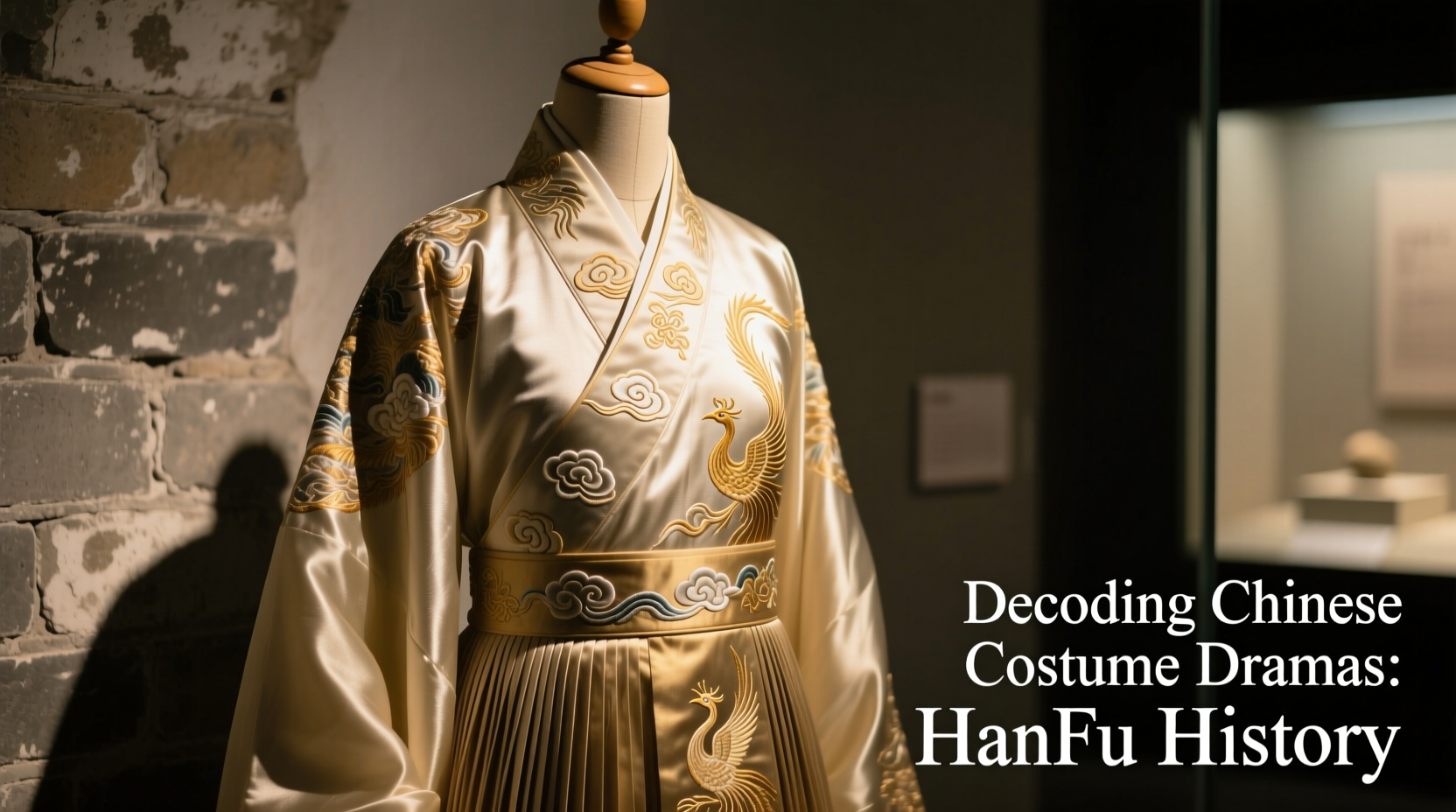
The global explosion of Chinese costume dramas has introduced millions of viewers to the breathtaking aesthetics of traditional Asian clothing. From the ethereal, wind-swept robes of Xianxia (immortal hero) fantasies to the rigid, opulent court dress of historical palace epics, these shows are visual feasts. However, as a cultural garment encyclopedia, we must separate theatrical Xifu (stage costumes) from authentic Hanfu (traditional Han Chinese clothing). While blockbuster series like The Untamed or Story of Yanxi Palace draw heavily from historical silhouettes, they frequently prioritize modern cinematic flair over strict historical accuracy. Understanding the real garments behind the screen requires a journey through China's dynastic history, sumptuary laws, and the intricate art of silk weaving.
True historical dress was governed by strict Confucian rituals, class hierarchies, and regional textile availability. The flowing, unstructured white robes often seen in fantasy dramas would have been highly impractical and socially inappropriate for daily life in ancient China. Instead, historical garments were masterclasses in structural engineering, utilizing flat-pattern cutting, precise pleating, and symbolic color coding. To truly appreciate the wardrobes of historical epics, we must decode the garments dynasty by dynasty.
Dynasty by Dynasty: Decoding the Wardrobes of Historical Epics
Han Dynasty Elegance: The Shenyi and Quju
The Han Dynasty (206 BCE – 220 CE) established the foundational aesthetics of traditional Chinese dress. The defining garment of this era is the Shenyi (deep robe), a one-piece garment that conceptually and physically connected the upper and lower body, symbolizing the Confucian ideal of unity and moral integrity. The Shenyi strictly adhered to the jiaoling youren (cross-collar, right lapel) rule, where the left side of the garment crossed over the right and was tied at the waist with a silk sash.
Historical dramas set in this era often feature the Quju (curved-hem robe), characterized by a dramatically sweeping, spiral-wrapped hemline that trails behind the wearer. According to textile archives at the Victoria and Albert Museum, the lightweight silk gauzes and intricate geometric embroideries found in the Mawangdui tomb (dated to 168 BCE) reveal that Han Dynasty elites favored layered, translucent garments that showcased the colors of the under-robe, a stark contrast to the heavy, opaque velvets sometimes inaccurately used in modern television productions.
Tang Dynasty Opulence: Qixiong Ruqun and Silk Road Influences
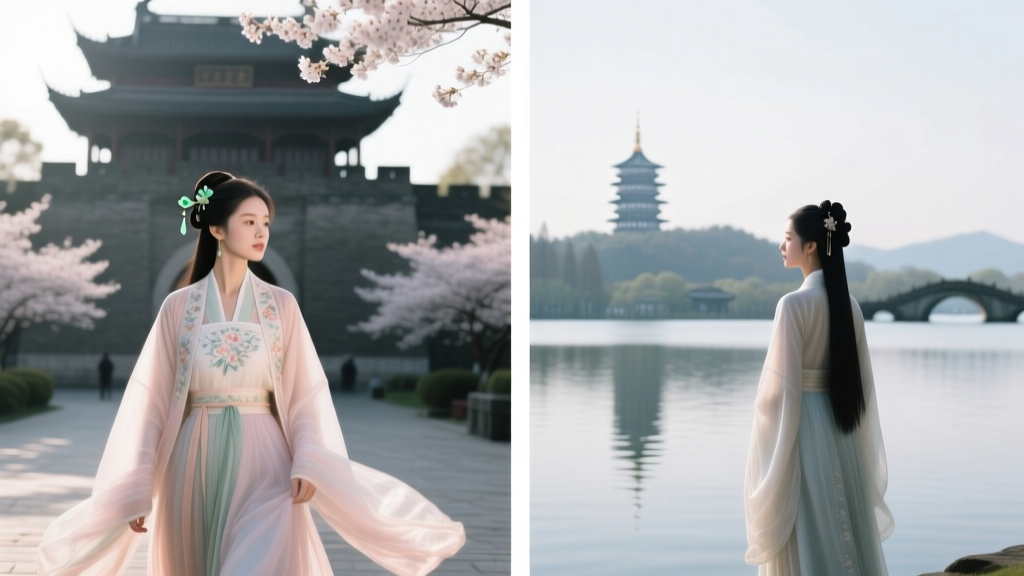
The Tang Dynasty (618–907 CE) represents a golden age of cosmopolitan exchange, and its clothing reflects profound Central Asian and Sogdian influences. For women, the iconic silhouette is the Qixiong Ruqun (chest-high skirt), where a voluminous, pleated skirt is tied high above the bust, paired with a short, tucked-in jacket and a Pibo (a long, flowing silk shawl draped over the arms).
Dramas set in the Tang court, such as The Longest Day in Chang'an, accurately depict the era's bold use of color and pattern. Unlike later dynasties that favored subdued tones, Tang nobility embraced vibrant crimsons, ochres, and deep greens, often woven with real gold and silver threads. The China National Silk Museum highlights the complex weft-faced compound twill techniques developed during this era, allowing for large, symmetrical floral motifs that are frequently replicated in high-end historical dramas today. Men and women alike also adopted the Yuanlingpao (round-collar robe), a practical garment with Central Asian roots that became a staple of official court wear.
Ming Dynasty Structure: Aoqun and the Mamianqun
The Ming Dynasty (1368–1644 CE) saw a return to traditional Han silhouettes but with increased structural rigidity and the introduction of metal buttons and standing collars (Liling). The quintessential female ensemble is the Aoqun, consisting of a lined, hip-length jacket (Ao) worn over a skirt. The most famous of these skirts is the Mamianqun (horse-face skirt).
The Mamianqun is a marvel of flat-pattern construction. It features two flat, overlapping front and back panels (the 'horse faces') flanked by heavily pleated side panels. This design allowed for modesty while riding horses or walking, as the overlapping panels prevented the legs from being exposed. The Metropolitan Museum of Art's Asian Art collection houses exquisite Ming-era examples woven with Zhuanghua (woven gold) and elaborate auspicious motifs. In 2022, the Mamianqun gained global attention when a major Western fashion house released a strikingly similar skirt without cultural attribution, sparking a massive digital movement by Hanfu enthusiasts to reclaim and protect this specific historical design.
Screen to Street: The Modern Hanfu Movement and Authenticity
The popularity of Chinese costume dramas has directly fueled the modern Hanfu Yundong (Hanfu Movement), a grassroots cultural revival where young Chinese people wear historically accurate traditional clothing in daily life. However, the movement actively pushes back against 'costume' inaccuracies. True Hanfu practitioners emphasize correct fabric drape, historical patterning, and proper styling. For instance, wearing hair completely down and unbound is a major faux pas; in ancient China, adults were expected to bind their hair in topknots or elaborate updos secured with jade, wood, or metal hairpins (Zan and Chai). Only children or those in deep mourning wore their hair loose.
Buyer’s Guide: Sourcing Authentic Garments Inspired by Period Dramas
For enthusiasts looking to transition from screen-viewing to wearing these garments, it is vital to understand the market tiers. The garments worn by lead actors in high-budget dramas are often custom-tailored by heritage artisans, costing thousands of dollars. However, the commercial Hanfu market offers accessible alternatives. Below is a comparative guide to help you navigate your purchases.
| Garment Tier | Price Range (USD) | Fabric Composition | Construction & Accuracy |
|---|---|---|---|
| Drama Grade (Mass Market) | $35 – $90 | Polyester blends, synthetic chiffon, printed satin. | Machine-printed motifs, simplified pleating, often lacks proper inner ties and historical seam allowances. |
| Enthusiast Grade (Boutique) | $120 – $350 | Mulberry silk, linen-cotton blends, jacquard weaves. | Accurate flat-pattern cutting, proper Mamianqun pleat setting, woven (not printed) borders. |
| Heritage Artisan Grade | $600 – $2,500+ | Xiangyunsha (scented cloud silk), Song brocade, real gold-leaf thread. | Intangible Cultural Heritage techniques, hand-loomed, natural plant dyes, museum-grade historical replication. |
Sourcing Tips: While international vendors exist, the most authentic and affordable pieces are sourced directly from specialized Taobao stores based in Hangzhou, Suzhou, and Guangzhou. Look for shops that provide historical reference paintings (such as the Yongle Palace Murals or Song Dynasty Emperor Portraits) in their product descriptions to verify their commitment to historical accuracy over 'fantasy' styling.
Cultural Protocols: Wearing Historical Dress with Respect
When adopting garments inspired by Chinese costume dramas, respecting the underlying cultural protocols is paramount. The most critical rule is the jiaoling youren (left over right) collar alignment. In traditional Han culture, crossing the right lapel over the left (zuoren) was strictly reserved for dressing the deceased for burial or was associated with 'barbarian' tribes. Wearing a robe right-over-left in a living context is considered highly inauspicious and culturally offensive.
'Clothing is not merely fabric; it is the physical manifestation of ritual, cosmology, and social order. To wear Hanfu is to carry the weight of dynastic history on one's shoulders.' — Excerpt from modern Hanfu revivalist literature.
Furthermore, understand the context of the garment. A heavily embroidered, floor-sweeping Xiapei (cloud scarf) and phoenix crown (Fengguan) is traditional Ming dynasty bridal or empress attire, entirely inappropriate for casual street wear. Conversely, a simple, unlined Banju (half-sleeve shirt) and cotton Mamianqun is perfectly suited for a modern tea house or museum visit. By looking past the cinematic滤镜 (filters) of Chinese costume dramas and engaging with the true historical textiles, wearers can participate in a deeply respectful and culturally rich sartorial tradition.