Kimono vs Hanbok vs Cheongsam: 2026 Styling Guide
The Core Differences: Qipao vs Kimono vs Hanbok
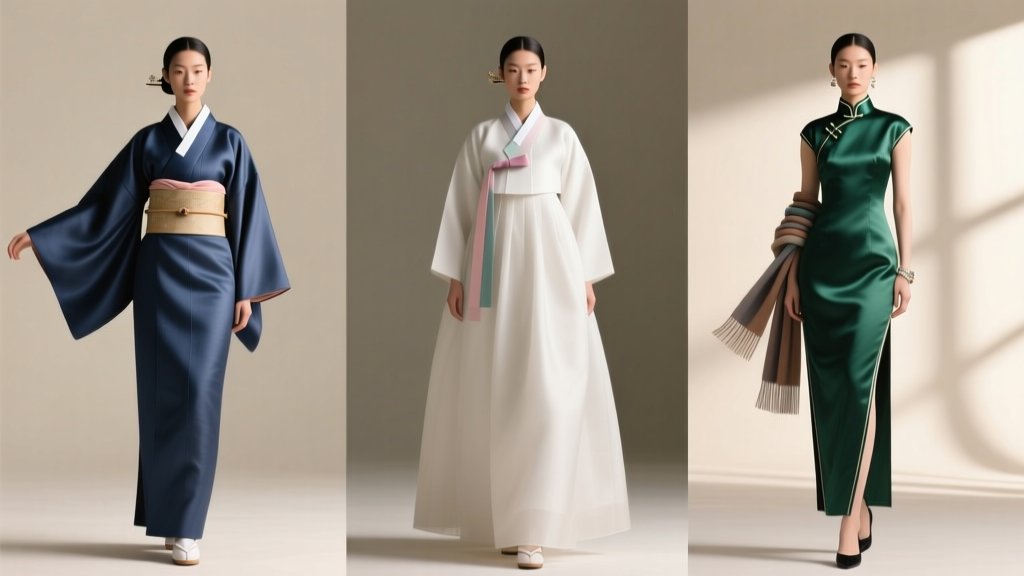
The primary distinction in the qipao vs kimono vs hanbok comparison lies in their foundational silhouettes and construction methods. The Japanese kimono features a linear, T-shaped wrap structure that conceals the body's natural curves. The Korean hanbok utilizes a voluminous, A-line silhouette characterized by a high-waisted skirt and a short jacket. The Chinese qipao is a form-fitting, one-piece dress with a mandarin collar and side slits that accentuates the wearer's figure.
This guide is designed for fashion historians, costume designers, and cultural enthusiasts seeking precise structural and historical distinctions between these three iconic East Asian garments.
Key Takeaways
- Kimono: Linear, T-shaped, wraps left over right, conceals body shape.
- Hanbok: A-line, two-piece, high-waisted, prioritizes volume and movement.
- Qipao: Form-fitting, one-piece, tailored darts, accentuates natural curves.
Garment Definitions
Kimono: A traditional Japanese T-shaped, straight-lined garment with attached collars and long, wide sleeves, wrapped left over right and secured by an obi sash. It conceals the body's natural curves, prioritizing linear elegance and surface pattern over structural tailoring.
Hanbok: Traditional Korean clothing characterized by vibrant colors, simple lines, and a two-piece structure consisting of a top jeogori and a voluminous bottom chima or baji. Its A-line silhouette creates a bell-like shape that allows for unrestricted movement and modesty.
Qipao: A form-fitting, one-piece Chinese dress featuring a high mandarin collar, asymmetrical side fastenings, and thigh-high slits. Popularized in Shanghai, it utilizes darting and western tailoring techniques to accentuate the wearer's natural figure while maintaining traditional silk embroidery motifs.
Silhouette and Structural Comparison
The Japanese Kimono
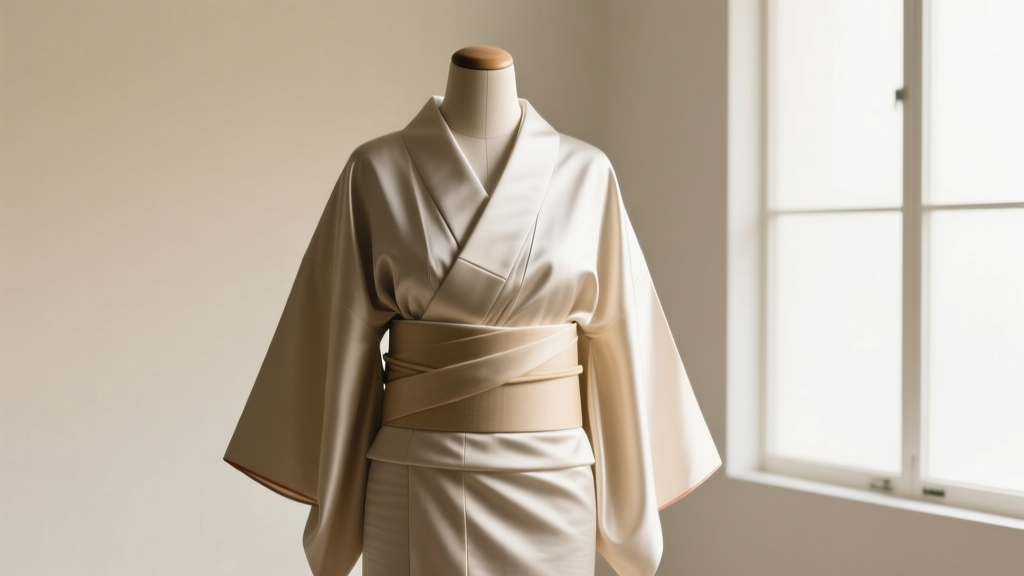
The kimono operates on a flat, two-dimensional plane. When laid out, the garment forms a perfect T-shape. According to The Metropolitan Museum of Art, the kimono is constructed from straight bolts of fabric, minimizing waste and avoiding curved seams.
The wrapping technique strictly mandates a left-over-right fold for the living, securing the structure with a wide sash. This method creates a cylindrical silhouette that entirely masks the wearer's physical proportions.
The Korean Hanbok
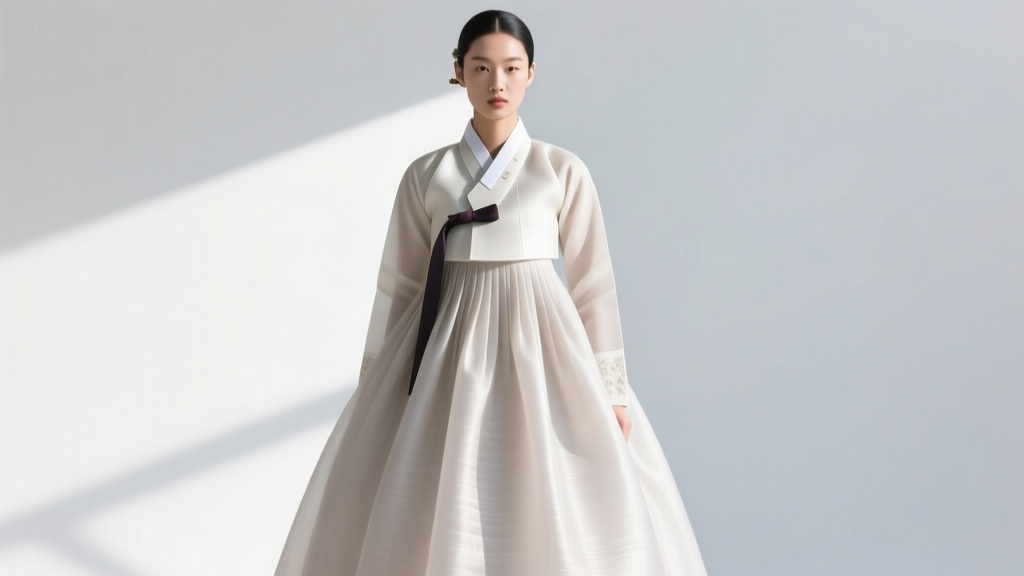
The hanbok relies on the stark contrast between a fitted upper body and an expansive lower body. The jeogori (jacket) is cropped tightly just below the bust line, while the chima (skirt) flares out dramatically from the high waist.
Research from the National Museum of Korea highlights how this A-line structure originated to accommodate the layered undergarments required for modesty and warmth during harsh winters. The silhouette remains bell-shaped regardless of the wearer's body type.
The Chinese Qipao
Unlike the kimono and hanbok, the modern qipao is inherently three-dimensional. It employs Western tailoring techniques, such as bust and waist darts, to map directly onto the human form.
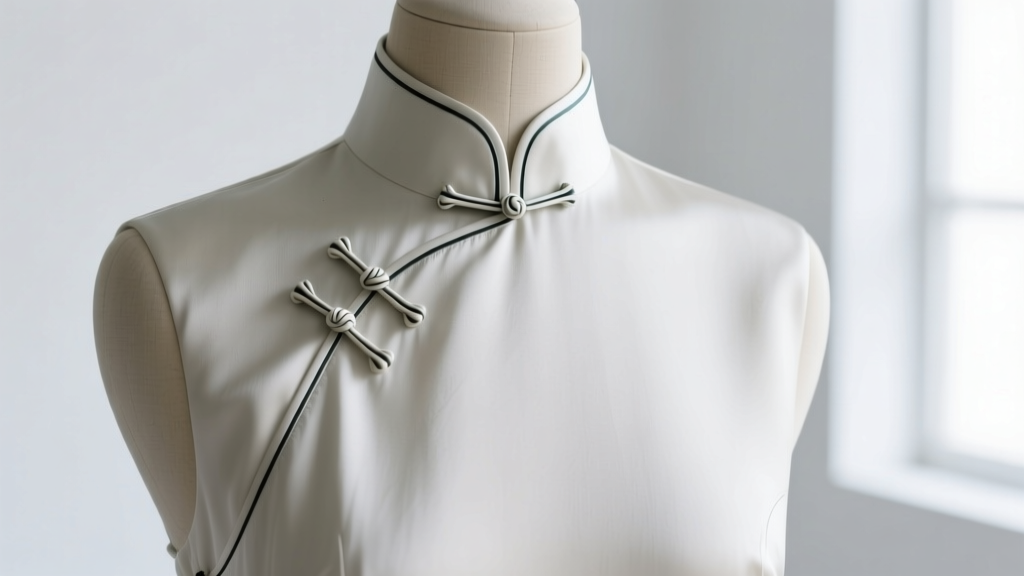
The asymmetrical opening, traditionally fastened with woven pankou knots, extends from the center of the collar down the right side and under the arm. Thigh-high slits on one or both sides provide necessary mobility for the otherwise restrictive skirt.
Construction, Fabric, and Measurements
Precise measurements dictate the authenticity and drape of these garments. A standard formal kimono requires exactly 12 meters of silk fabric, cut into specific rectangular panels. The accompanying obi sash is typically 45 centimeters wide, demanding precise folding techniques to achieve the correct structural rigidity.
The fully layered formal kimono ensemble can weigh up to 1.5 kilograms, distributing weight across the shoulders and hips. In contrast, the hanbok's lightweight silk or ramie fabrics rely on gathering rather than heavy layering to achieve volume.
The qipao demands exact bodily measurements. The traditional mandarin collar stands exactly 5 centimeters high, requiring stiff interfacing to maintain its shape against the neck. Furthermore, the silk piping used to edge the seams and slits is meticulously rolled to a uniform 3 millimeters in thickness.
Modern Silhouettes and 2026 Adaptations
Contemporary designers are actively reinterpreting these traditional forms for 2026 sustainability standards. The modern kimono is frequently adapted using upcycled denim and modular obi belts, allowing for casual, streetwear integration without compromising the T-shaped foundation.
The hanbok has seen a surge in minimalist, monochromatic adaptations. Designers are replacing the traditional voluminous chima with structured, pleated midi-skirts that retain the high-waisted A-line profile while reducing fabric consumption by 40 percent.
The qipao continues to evolve through the use of stretch-silk blends and 3D-knitted textiles. These innovations eliminate the need for traditional side slits, offering a seamless, form-fitting silhouette that moves dynamically with the wearer.
Practical Guide: Garment Selection Framework
Use the following decision matrix to select the appropriate garment for design research, cultural events, or theatrical costuming.
| Feature | Kimono (Japan) | Hanbok (Korea) | Qipao (China) |
|---|---|---|---|
| Base Silhouette | Linear / Cylindrical | A-Line / Bell | Form-Fitting / Hourglass |
| Primary Fastening | Obi Sash (Wrap) | Goreum (Tied Bow) | Pankou Knots (Buttons) |
| Mobility | Restricted (Short steps) | High (Full stride) | Moderate (Depends on slit) |
| Best Use Case | Ceremonial / Formal | Festivals / Active | Evening / Cocktail |
Frequently Asked Questions
What is the difference between a qipao and a cheongsam?
The terms refer to the exact same garment. "Qipao" is the Mandarin pronunciation, historically used in northern China and mainland academic contexts. "Cheongsam" is the Cantonese pronunciation, popularized globally through Hong Kong tailors and Western fashion media in the mid-20th century.
How do the wrapping techniques differ between kimono and hanbok?
The kimono wraps the entire body left-over-right, secured tightly by a rigid obi sash that restricts torso movement. The hanbok does not wrap the lower body; the chima skirt is tied high above the bust, while the jeogori jacket simply crosses the chest and is tied with a long, flowing goreum ribbon.
Which garment is most suitable for modern formal events?
The qipao is the most seamlessly integrated into modern global formalwear due to its one-piece, tailored construction. It functions similarly to a Western evening gown, requiring no specialized undergarments or complex wrapping knowledge to wear correctly.
Conclusion and Next Steps
The comparison of qipao vs kimono vs hanbok reveals three distinct philosophies of dress: linear concealment, voluminous modesty, and tailored accentuation. Understanding these structural differences is critical for accurate historical representation and respectful modern adaptation.
To apply these structural insights to your next design or research project, consult the digital textile archives at the Victoria and Albert Museum to examine original garment patterning, seam allowances, and historical textile weaves.