What Is Chinese Traditional Style? Modern Wear Guide
For global fashion enthusiasts, diaspora communities, and historians exploring heritage aesthetics, the question of what is Chinese traditional clothing extends far beyond a single garment or era. It encompasses thousands of years of evolving silhouettes, regional textile innovations, and profound philosophical symbolism. Today, we are witnessing a massive renaissance in how these garments are worn. Moving away from costume-like reenactments, modern styling integrates historical Chinese dress into contemporary, everyday wardrobes with elegance and cultural respect.
Defining the Heritage: Beyond the Monolith
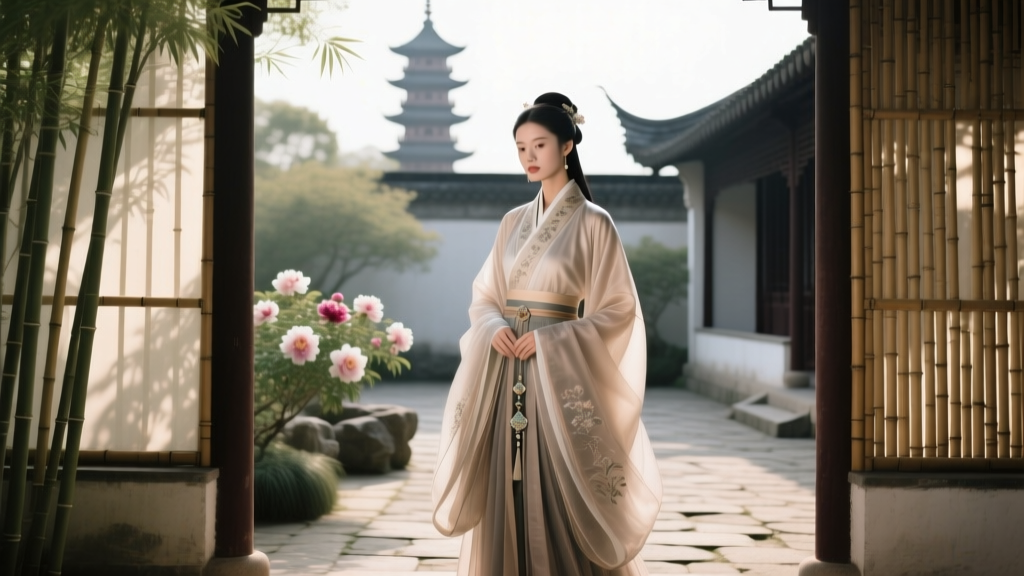
When asking what is Chinese traditional attire, it is crucial to recognize that China is a vast, multi-ethnic civilization with distinct dynastic fashion systems. The term Hanfu (汉服) refers specifically to the historical clothing of the Han Chinese, spanning from the Huangdi era to the late Ming Dynasty (1644). In contrast, the Qipao (旗袍) or Cheongsam is a 20th-century modernization of Manchu banner robes, while the Tang Suit (唐装) is a contemporary fusion jacket popularized in the early 2000s. Understanding these distinctions is the first step toward styling them authentically and avoiding the homogenization of diverse cultural artifacts.
The 'Xin Zhong Shi' (New Chinese Style) Revolution
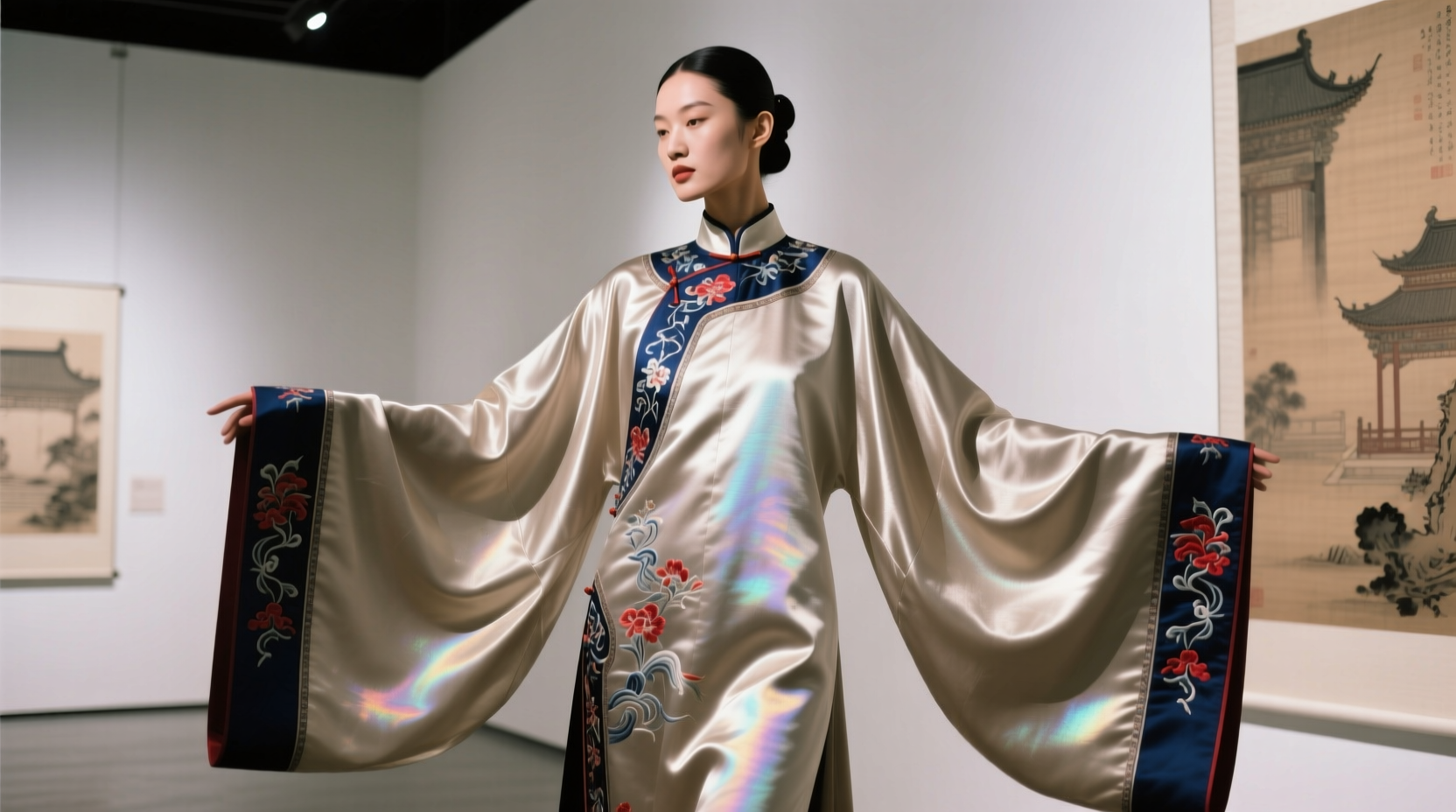
In recent years, a movement known as Xin Zhong Shi (新中式), or 'New Chinese Style,' has dominated Asian fashion circles. This aesthetic does not demand wearing full, historically accurate regalia from head to toe. Instead, it focuses on deconstructing heritage garments and pairing them with modern basics. According to exhibitions documented by the China National Silk Museum, this movement bridges the gap between museum preservation and streetwear, allowing ancient textiles to breathe in modern urban environments.
The Mamianqun (Horse-Face Skirt): The Ultimate Transitional Piece
If there is one garment that defines modern Chinese traditional styling, it is the Mamianqun (马面裙), or 'horse-face skirt.' Originating in the Song and Ming Dynasties, this skirt features two flat, overlapping front and back panels (the 'horse faces') with deep, structured pleats on the sides.
- Historical Context: The flat panels allowed for ease of movement and horseback riding, while the heavy pleats provided volume and modesty.
- Modern Styling: The Mamianqun is incredibly versatile. For a sophisticated office look, pair a midi-length, solid-colored Mamianqun with a crisp, tailored white button-down shirt and a leather belt. For evening wear, a brocade Mamianqun paired with a fitted black turtleneck and ankle boots creates a striking silhouette that honors the past while remaining fiercely contemporary.
- Price Guide: Mass-produced fast-fashion versions cost between $25–$50 USD, but authentic pieces woven with jacquard looms or traditional Xiangyunsha (Canton gauze) silk by indie artisans on platforms like Taobao range from $120 to $450 USD.
Hanfu Separates: Integrating the Ruqun into Daily Life
Full Hanfu ensembles, with their sweeping floor-length sleeves and multiple layers, are often reserved for festivals, tea ceremonies, or photography. However, the Ruqun (襦裙)—a blouse and skirt combination—can be easily adapted for daily wear. The Song Dynasty aesthetic, characterized by slender, understated lines and muted, earthy tones, is particularly well-suited for modern minimalism.
To style a Song-style Beizi (a long, open-front coat) over a modern slip dress or a simple linen top and wide-leg trousers creates a layered, intellectual look. The key is to focus on the drape of the fabric and the subtle embroidery at the cuffs, allowing the garment's structural elegance to speak for itself without overwhelming the wearer.
The Modern Qipao: Reclaiming the Silhouette
The Qipao is perhaps the most globally recognized Chinese garment, yet it is frequently misrepresented by cheap, polyester, mass-market 'tourist' versions. A true 1920s and 1930s Shanghai Qipao was a symbol of female liberation, featuring a relaxed, dropped-shoulder fit, geometric Art Deco motifs, and subtle side slits.
'The modern revival of the Qipao is about returning to its roots as an everyday garment for the modern woman, rather than a rigid uniform for banquets.' — Curatorial notes from the Victoria and Albert Museum's Asian collections.
Styling Tip: Opt for a 'daily Qipao' (日常旗袍) made from breathable cotton, linen, or lightweight wool crepe. Look for shorter, relaxed cuts that hit just below the knee. Pair a sleeveless, mandarin-collar Qipao with a lightweight oversized blazer and loafers for a chic, trans-seasonal outfit that commands respect in any creative or corporate environment.
Fabric, Construction, and Investment Guide
Authenticity in Chinese traditional wear is heavily tied to textile composition and construction methods. The Smithsonian's National Museum of Asian Art frequently highlights the importance of regional weaving techniques in preserving cultural identity. Below is a breakdown of key garments, their defining features, and what you should expect to invest for authentic, artisan-made pieces.
| Garment Type | Historical Era | Defining Construction Feature | Authentic Price Range (USD) | Best Modern Pairing |
|---|---|---|---|---|
| Mamianqun | Ming Dynasty | Overlapping flat panels with side pleats | $120 - $450 | Tailored blazer, ankle boots |
| Song Beizi | Song Dynasty | Open front, straight collar, side slits | $80 - $250 | Linen trousers, silk camisole |
| Daily Qipao | 1920s Shanghai | Dropped shoulder, frog closures (Pankou) | $150 - $600 | Oversized trench coat, loafers |
| Xiangyunsha Jacket | Qing / Republican | Dyed with Shuliang yam and river mud | $300 - $1,200+ | Raw denim, minimalist sneakers |
Crucial Cultural Protocols: The Left-Over-Right Rule
When styling Hanfu or any traditional Chinese crossing-collar garment, you must adhere to the most sacred rule of Chinese sartorial culture: Jiaoling Youren (交领右衽). This dictates that the left panel of the garment must always cross over the right panel, tying or fastening on the right side of the body.
Historically, the reverse (Zuoren, or right over left) was strictly reserved for dressing the deceased for burial or was associated with neighboring nomadic tribes. Wearing a garment right-over-left in a living, everyday context is considered highly inauspicious and deeply disrespectful. When buying modern adaptations or wrapping a garment yourself, always double-check the mirror reflection to ensure the left lapel rests on top.
Sourcing and Caring for Heritage Garments
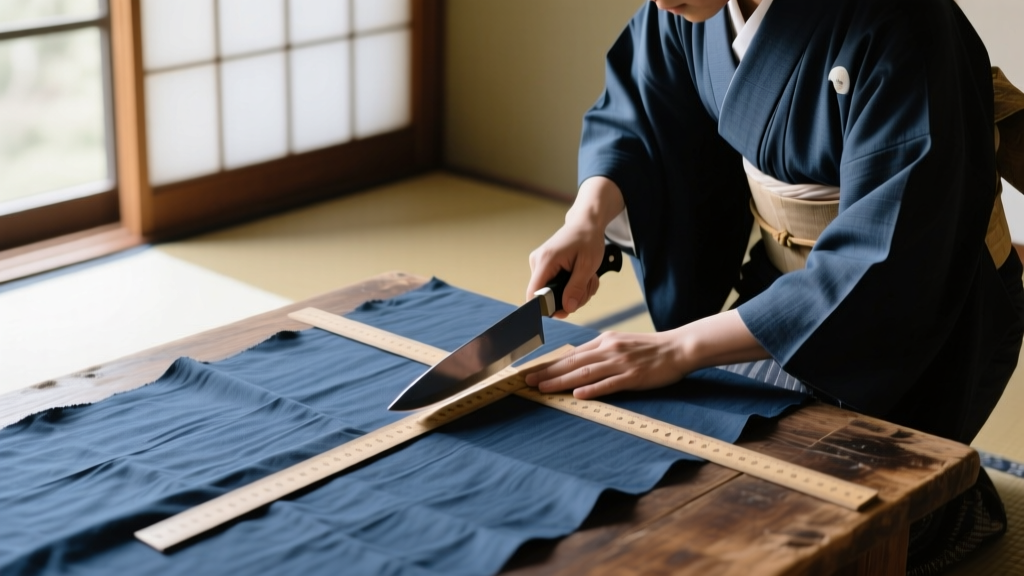
Finding authentic Chinese traditional clothing outside of Asia can be challenging, but the rise of global shipping from specialized indie brands has made it accessible. When shopping, look for sellers who provide detailed information about the fabric's origin, the weaving technique (such as Song Brocade or Kesi silk tapestry), and the historical references for their patterns.
Care Instructions: Authentic silks, particularly delicate gauzes and heavily embroidered brocades, should never be machine washed. Dry cleaning is recommended for structured Mamianqun to preserve the sharp knife pleats. For daily cotton or linen Qipaos, gentle hand washing in cold water with a pH-neutral detergent will maintain the integrity of the natural fibers and the handmade Pankou (frog button) knots.
Final Thoughts on Modern Integration
Understanding what is Chinese traditional fashion is not about rigidly replicating the past; it is about carrying the philosophy, craftsmanship, and aesthetic grace of ancient civilizations into the present day. By respecting cultural protocols, investing in proper textiles, and thoughtfully pairing heritage pieces with modern staples, you can cultivate a wardrobe that is both deeply meaningful and effortlessly stylish.