Chinese Traditional Garments: The Ultimate Event Guide

The global renaissance of heritage fashion has brought Chinese traditional garments back to the forefront of cultural milestones. From the intricate silk tapestries of a bridal tea ceremony to the sleek, architectural lines of a gala-ready qipao, dressing for significant events requires more than just an eye for aesthetics. It demands an understanding of historical lineage, regional tailoring, and cultural protocol. Whether you are attending a Lunar New Year banquet, participating in a traditional wedding, or navigating a formal evening gala, this comprehensive guide decodes the nuances of Chinese traditional attire for the modern wearer.
The Wedding Protocol: Qungua, Xiuhefu, and the Tea Ceremony
In the context of a traditional Chinese wedding, the tea ceremony and the main banquet often require distinct sartorial choices. While the Western-style white gown has its place, the ancestral reverence of the tea ceremony calls for deeply symbolic Chinese traditional garments, specifically the Qungua (裙褂) and the Xiuhefu (秀禾服).
Decoding Embroidery Density and the Dragon-Phoenix Motif
The Qungua is a two-piece ensemble consisting of a fitted jacket and a straight skirt, heavily embroidered with the Longfeng (dragon and phoenix) motif, symbolizing the balance of yin and yang. When commissioning or purchasing a Qungua, buyers must understand embroidery density, which dictates both the price and the formality of the garment:
- Xiao Wu Fu (Small Five Treasures): Features 50% to 70% embroidery coverage. Ideal for bridesmaids or secondary events. Price range: $400 – $900 USD.
- Da Wu Fu (Large Five Treasures): Features 80% to 90% coverage, utilizing metallic gold and silver thread couching (panjin). Price range: $1,500 – $3,500 USD.
- Gua Huang (Emperor's Jacket): 100% embroidery coverage. The base red silk is entirely obscured by dense metallic threads. This is the pinnacle of bridal formality, often rented or passed down as an heirloom. Bespoke commissions start at $8,000 USD and can exceed $20,000 USD.
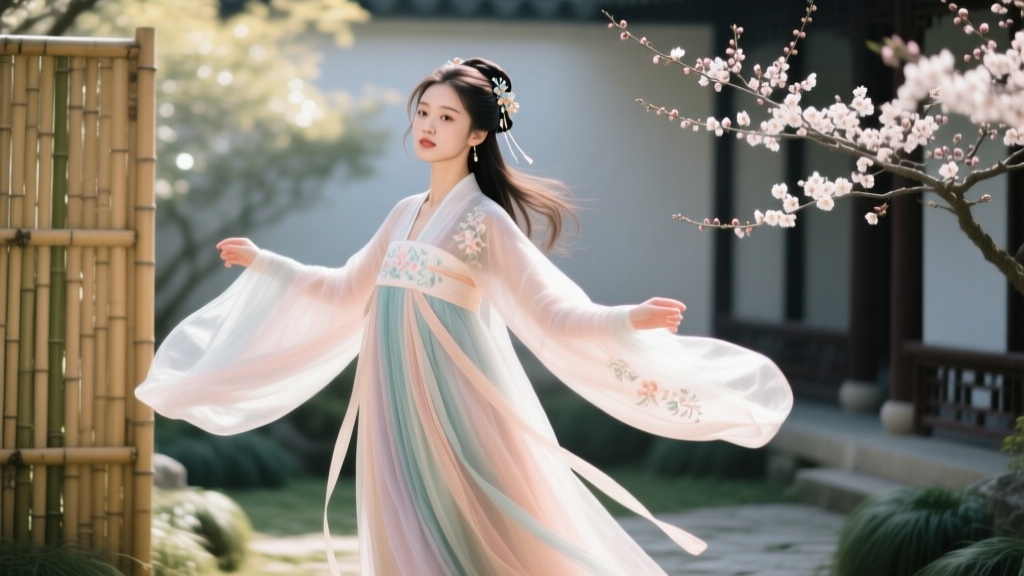
Conversely, the Xiuhefu features a flared, A-line skirt with pleats and a looser, more forgiving jacket with wide, flared sleeves. Originating from Han Chinese historical silhouettes rather than the Manchu-influenced Qungua, the Xiuhefu is often favored for its romantic, flowing movement and is heavily popularized in modern historical dramas.
Lunar New Year and Ancestral Veneration: Tangzhuang and Aoqun
Festivals centered on family reunion and ancestral veneration require garments that convey respect, warmth, and cultural pride. Two distinct garments dominate this space, though they originate from vastly different historical epochs.
The Tangzhuang (唐装), or 'Tang Suit,' is a staple of Lunar New Year celebrations. Despite its name, it does not originate from the Tang Dynasty (618–907 CE). Instead, it is a modern adaptation of the Qing Dynasty Magua (马褂), a Manchu riding jacket characterized by its mandarin collar and distinctive knotted pankou (frog fasteners). According to the Metropolitan Museum of Art's Heilbrunn Timeline, the synthesis of Manchu tailoring and Han Chinese motifs during the Qing era laid the groundwork for these modern festive jackets. Today, a high-quality Tangzhuang made from mulberry silk brocade costs between $150 and $400 USD.
For those participating in the Hanfu movement, the Ming Dynasty Aoqun (袄裙) is the preferred winter festival attire. The Ao is a lined, cross-collared jacket with琵琶袖 (pipa-shaped sleeves), worn over a pleated Qun (skirt). The heavy silk damask and subtle woven gold patterns make it both historically accurate for winter wear and deeply respectful for temple visits and ancestral offerings.
Formal Galas and Banquets: The Qipao Silhouette
For black-tie galas, diplomatic banquets, and upscale evening events, the Qipao (or Cheongsam) remains the most globally recognized Chinese traditional garment. However, treating the qipao as a monolith is a common sartorial error. The garment evolved dramatically in the 1920s and 30s, splitting into two distinct regional philosophies that dictate how the garment should be worn and styled today.
Shanghai vs. Beijing Silhouettes: A Quick Comparison
| Feature | Haipai (Shanghai Style) | Jingpai (Beijing Style) |
|---|---|---|
| Silhouette | Form-fitting, uses Western darting to accentuate the waist and hips. | A-line, relaxed, flat-cut without darts; prioritizes modesty and comfort. |
| Collar & Sleeves | Lower mandarin collar, often sleeveless or with short cap sleeves. | Higher, stiffer mandarin collar, typically featuring longer sleeves. |
| Best Occasion | Evening galas, cocktail parties, modern formal banquets. | Diplomatic events, academic ceremonies, conservative formal gatherings. |
| Fabric Preference | Stretch silk crepe, velvet, delicate lace overlays. | Heavy silk brocade, Xiangyunsha, stiff jacquard. |
When sourcing a qipao for a formal event, the V&A Museum's Chinese collections highlight the importance of the pankou (fasteners) not just as functional closures, but as structural anchors that maintain the garment's architectural integrity. A bespoke Haipai qipao, requiring up to three fittings and hand-rolled edges, typically costs between $800 and $2,500 USD from master tailors in Shanghai or Hong Kong.
Sourcing and Commissioning: Price Tiers and Artisan Cooperatives
Acquiring authentic Chinese traditional garments requires navigating a market flooded with mass-produced synthetic imitations. True cultural appreciation involves investing in heritage textiles and artisan craftsmanship. Institutions like the Peabody Essex Museum emphasize the historical continuity of Chinese textile arts, a legacy kept alive by modern artisan cooperatives.
Material Spotlight: Xiangyunsha (Gambiered Canton Gauze)
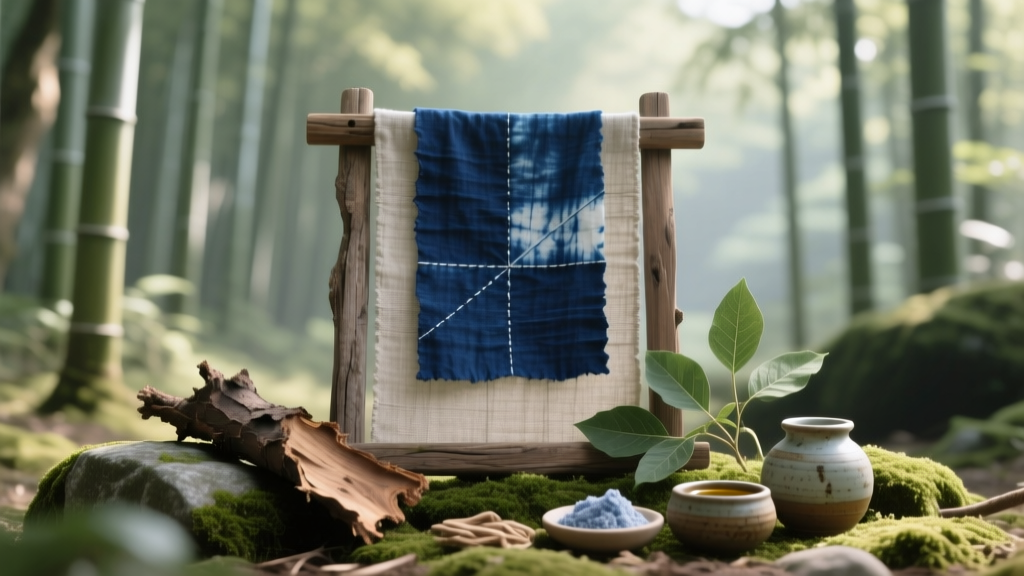
Native to the Guangdong province, Xiangyunsha is an intangible cultural heritage fabric. It is dyed using the juice of the gambier plant and coated with iron-rich river mud, then baked in the sun. The result is a dual-toned silk—rich brown on one side, glossy black on the other—that is naturally cooling, water-resistant, and rustles softly when worn. Authentic Xiangyunsha qipaos or hanfu jackets start at $600 USD and are highly prized for summer garden events.
Buying Framework by Budget:
- Under $200 USD: Off-the-rack Tangzhuang or basic cotton-linen Hanfu from established online heritage brands. Suitable for casual festival wear.
- $300 - $800 USD: Made-to-measure Qipao using mid-tier silks, or ready-to-wear Ming-style Aoqun sets from specialized Hanfu studios.
- $1,500+ USD: Bespoke Qungua with hand-embroidered goldwork, or fully commissioned Haipai qipaos utilizing antique silk brocades and hand-carved jade buttons.
Cultural Etiquette: Protocols for the Modern Wearer
Wearing Chinese traditional garments carries inherent cultural weight. To wear these garments respectfully, one must adhere to foundational sartorial protocols that have governed Chinese dress for millennia.
The most critical rule is Jiaoling Youren (交领右衽), meaning 'crossed collar, right lapel.' For Hanfu and traditional cross-collared jackets, the left side of the garment must always cross over the right side, securing on the wearer's right hip. Reversing this (left lapel) is historically reserved exclusively for the deceased and is considered deeply inauspicious. While the qipao utilizes a side-fastening collar rather than a crossed one, the underlying philosophy of right-side closure remains intact in its pankou placement.
Furthermore, while modern fashion embraces all colors, traditional event-goers should be mindful of color symbolism. Pure white and unadorned black are historically associated with mourning and funerals. For joyous occasions like weddings and the Lunar New Year, vibrant reds, imperial yellows, and auspicious jade greens are the culturally appropriate choices. By understanding these nuanced boundaries, wearers transform from mere consumers of fashion into respectful custodians of a living, breathing textile heritage.