Chinese Traditional Dress for Women: Hanfu, Qipao & More
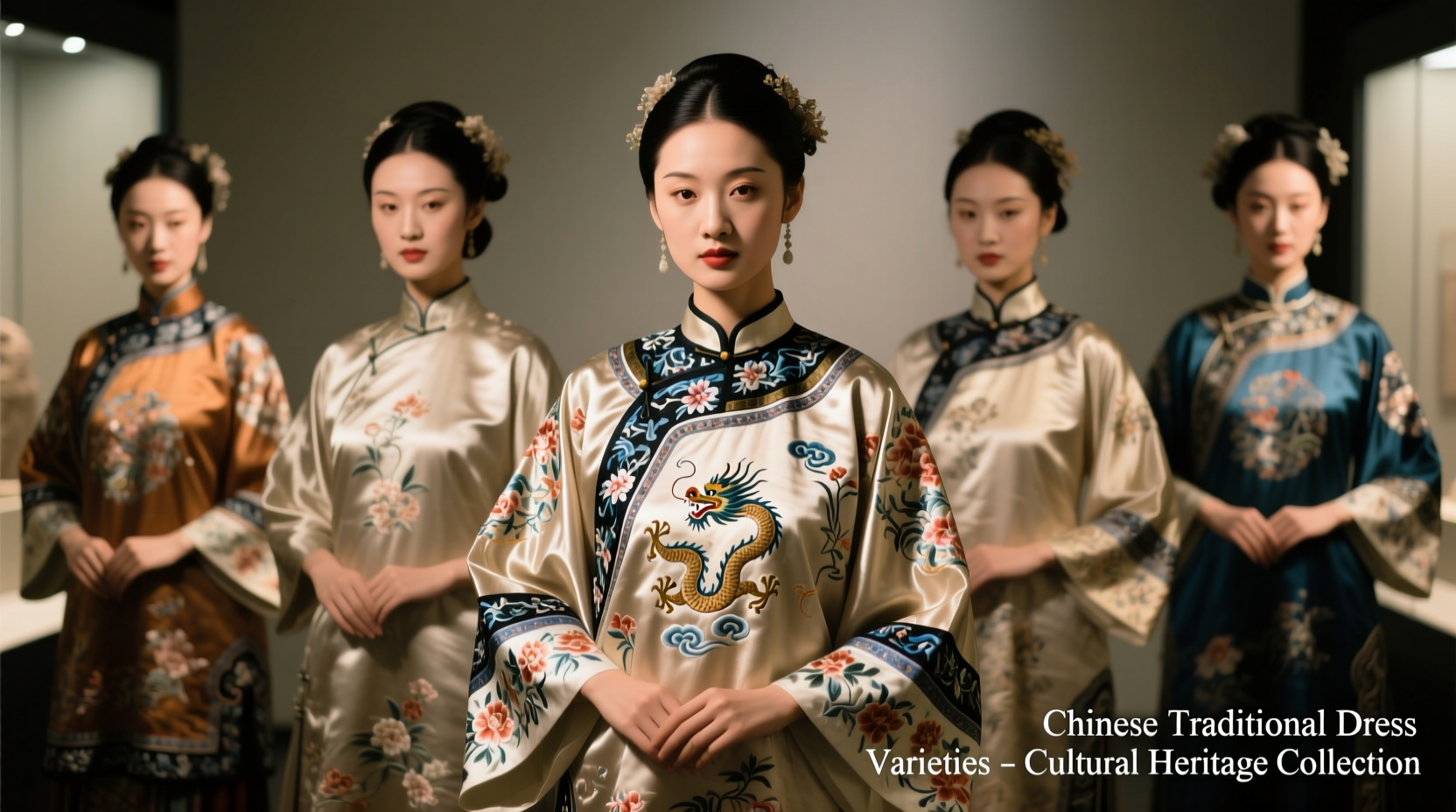
When exploring Chinese traditional dress for women, one quickly discovers that there is no single monolithic garment. Instead, the sartorial heritage of China is a complex tapestry woven from dynastic shifts, regional climates, and ethnic diversity. From the flowing, ethereal lines of Han dynasty robes to the structured, cosmopolitan elegance of 1920s Shanghai, understanding these varieties requires a deep dive into construction, cultural protocol, and historical context.
The Sartorial Matrix: Comparing Core Garment Types
To navigate the landscape of Chinese heritage clothing, it is essential to distinguish between the primary categories. Below is a comparative framework detailing the four most prominent styles worn by women today.
| Garment Type | Historical Origin | Defining Silhouette | Cultural Context & Usage | Typical Price Range (USD) |
|---|---|---|---|---|
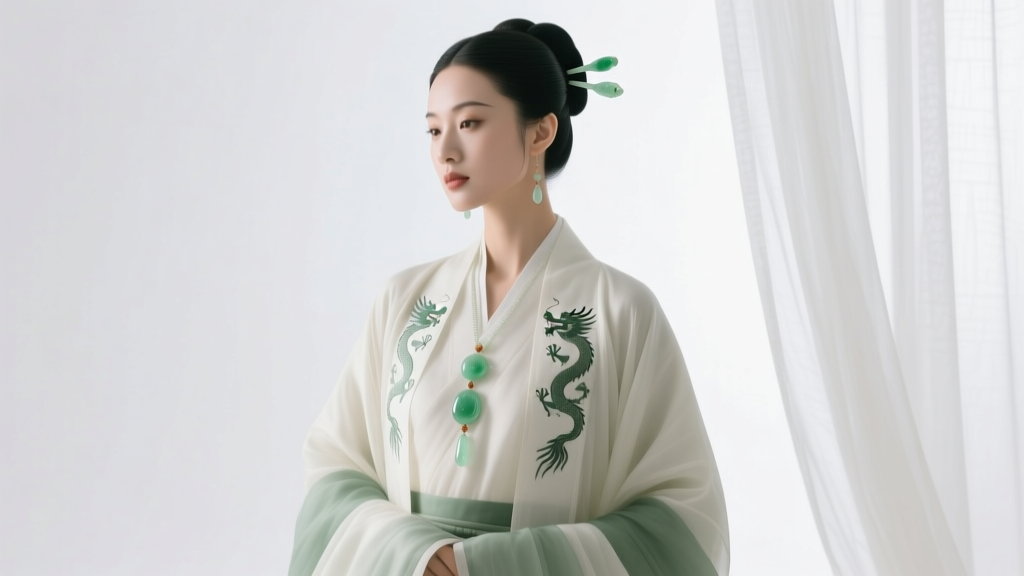
| Hanfu (汉服) | Antiquity to 1644 (Ming) | Cross-collared, wide sleeves, flowing skirts | Festivals, daily wear revival, tea ceremonies | $60 - $850+ |
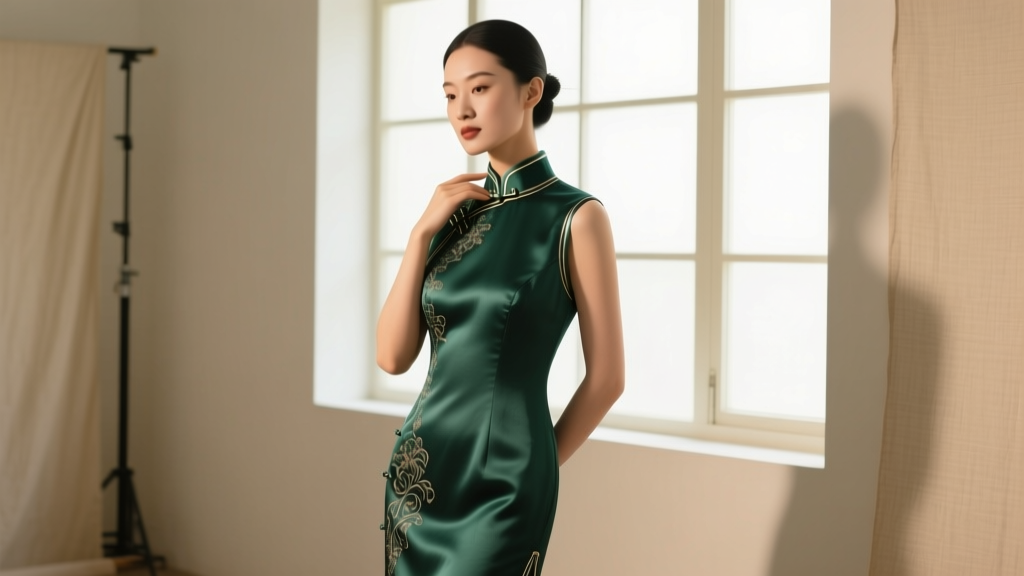
| Qipao / Cheongsam (旗袍) | 1920s Republic Era | Form-fitting, high Mandarin collar, side slits | Formal events, diplomacy, professional wear | $150 - $3,500+ |
| Qungua (裙褂) | Qing Dynasty (1644-1912) | Two-piece jacket and skirt, heavy embroidery | Traditional Cantonese & Hokkien bridal wear | $800 - $10,000+ |
| Tang Suit (唐装) | Modern (APEC 2001) | Short jacket, pankou fasteners, western tailoring | Lunar New Year, casual cultural events | $40 - $200 |
Hanfu: The Living Renaissance of Han Antiquity
Hanfu refers specifically to the historical dress of the Han ethnic majority, spanning from the mythical Yellow Emperor to the end of the Ming Dynasty in 1644. The modern Hanfu movement (Hanfu Yundong) has meticulously reconstructed these garments using archaeological textiles and historical paintings.
Key Varieties and Construction Rules
The most iconic everyday silhouette for women is the Ruqun (襦裙), consisting of a short upper garment (ru) tucked into a high-waisted skirt (qun). For cooler weather or more formal occasions, the Aoqun (袄裙) features a longer, lined jacket worn over the skirt. A staple of Ming dynasty wardrobes that has seen a massive resurgence is the Mamianqun (马面裙), or "horse-face skirt." This wrap-around skirt features flat front and back panels with deep side pleats, allowing for remarkable mobility while maintaining a structured, architectural drape.
Cultural Protocol: The most critical rule of Hanfu construction is Jiaoling Youren (交领右衽)—the cross-collar must always wrap left-over-right (the wearer's right lapel is on the outside). Wrapping right-over-left is historically reserved for the deceased and is considered highly inauspicious. As noted by textile historians at the Metropolitan Museum of Art, this directional asymmetry is a foundational element of Han cosmological philosophy, representing the balance of Yin and Yang.
The Qipao: Flat Cutting Meets Western Tailoring
While often mistakenly viewed in the West as the default "Chinese dress," the Qipao (or Cheongsam) is a relatively modern invention. Originating from the loose, straight-cut robes of Manchu women during the Qing dynasty, it was radically transformed in 1920s Shanghai.
Haipai vs. Jingpai: A Tale of Two Cities
- Haipai (Shanghai Style): Characterized by the introduction of Western darts, set-in sleeves, and stretch fabrics. The Haipai Qipao is designed to follow the natural curves of the female body, featuring high side slits for mobility and a sleek, cosmopolitan silhouette.
- Jingpai (Beijing Style): Retains more traditional Chinese flat-pattern cutting (pingmian jiancai). The garment is cut from a single piece of fabric with minimal darts, resulting in a looser, more modest fit that conceals the body's contours while highlighting the intricate textile patterns.
Authentic Qipao closures rely entirely on Pankou (盘扣), hand-knotted frog fasteners made from silk cording. A bespoke Shanghai Qipao requires over 20 distinct measurements and can take upwards of 40 hours of hand-stitching by a master tailor. For authoritative insights into the evolution of this garment, the Victoria and Albert Museum's Asian collections provide extensive documentation on the transition from Qing court robes to Republic-era fashion.
Bridal Masterpieces: Qungua and Xiuhe Fu
When discussing Chinese traditional dress for women, bridal wear represents the pinnacle of artisanal craftsmanship. In Southern China, particularly among Cantonese and Hokkien communities, the Qungua remains the gold standard.
Decoding Embroidery Density
The value and formality of a Qungua are determined by the density of its gold and silver thread embroidery, traditionally depicting dragons and phoenixes (longfeng). The tiers include:
- Xiaowufu (小五福): 30% embroidery coverage. Entry-level traditional bridal wear.
- Daowu (倒褂): 70% coverage. The base fabric is barely visible.
- Qun Huang (裙皇) / Kua Huang (褂皇): 95-100% coverage. The red silk base is entirely obscured by metallic embroidery. A genuine, hand-embroidered Kua Huang takes a master artisan over a year to complete and can cost upwards of $15,000 USD.
Conversely, the Xiuhe Fu is a modern bridal adaptation inspired by Ming dynasty Hanfu. It features a pleated skirt and a cropped, bell-sleeved jacket, heavily embroidered but generally more affordable and comfortable for modern wedding logistics.
Fabric Composition and Authenticity Markers
When sourcing authentic Chinese traditional dress, fabric composition is paramount. Mass-market costumes often utilize polyester brocades that lack breathability and historical accuracy. Genuine heritage garments utilize specific regional textiles:
Heritage Textiles to Look For
Xiangyunsha (香云纱): Often called "soft gold." This silk gauze is dyed using the juice of the shuliang yam and coated with iron-rich river mud from the Pearl River Delta. The result is a dark, crackled, water-resistant fabric that rustles softly when worn. According to the China National Silk Museum, this intangible cultural heritage process requires specific humidity and sunlight conditions found only in Guangdong province.
Song Brocade (宋锦): Originating from Suzhou, this warp-faced compound weave features intricate geometric and floral patterns. It is highly durable and holds its shape beautifully, making it ideal for structured Qipao collars and Hanfu outerwear (beizi).
Sourcing Guide: Navigating the Market
Whether you are investing in a bespoke Cheongsam or building a daily Hanfu wardrobe, understanding market tiers prevents costly mistakes.
Price Tiers and Expectations
- Fast Fashion / Costume ($30 - $80): Usually polyester, machine-embroidered, inaccurate historical cuts (e.g., Hanfu with left-over-right collars). Acceptable only for casual cosplay or theater.
- Mid-Tier Artisan Brands ($120 - $400): Brands like Shisanyu or Minghuatang (for Hanfu) use genuine silk blends, accurate historical patterning based on extant artifacts, and machine-assisted but high-quality embroidery.
- Bespoke & Haute Couture ($1,000 - $5,000+): Custom-fitted Qipao from master tailors in Shanghai or Hong Kong, or hand-loomed Song brocade Hanfu. This tier includes personalized pankou knot designs and hand-finished inner seams.
When purchasing online, always scrutinize the size charts. Traditional Hanfu relies on flat cutting and is generally one-size-fits-most, adjusting via waist ties. Qipao, however, requires exact bust, waist, hip, and hollow-to-hem measurements. If a Qipao listing offers only S/M/L sizing, it is likely utilizing Western darting and will not provide the authentic, elongated silhouette characteristic of the garment.
Conclusion: Wearing History with Respect
The landscape of Chinese traditional dress for women is not a static museum exhibit, but a vibrant, evolving practice. Whether you choose the sweeping elegance of a Ming dynasty Mamianqun, the sharp sophistication of a Shanghai Qipao, or the regal weight of a Cantonese Qungua, understanding the deep cultural protocols and artisanal techniques behind these garments elevates them from mere clothing to wearable history. By prioritizing authentic construction, heritage fabrics, and respectful styling, you participate in the ongoing preservation of one of the world's most profound sartorial legacies.