Chinese Traditional Dress Hanfu: A Beginner's Style Guide

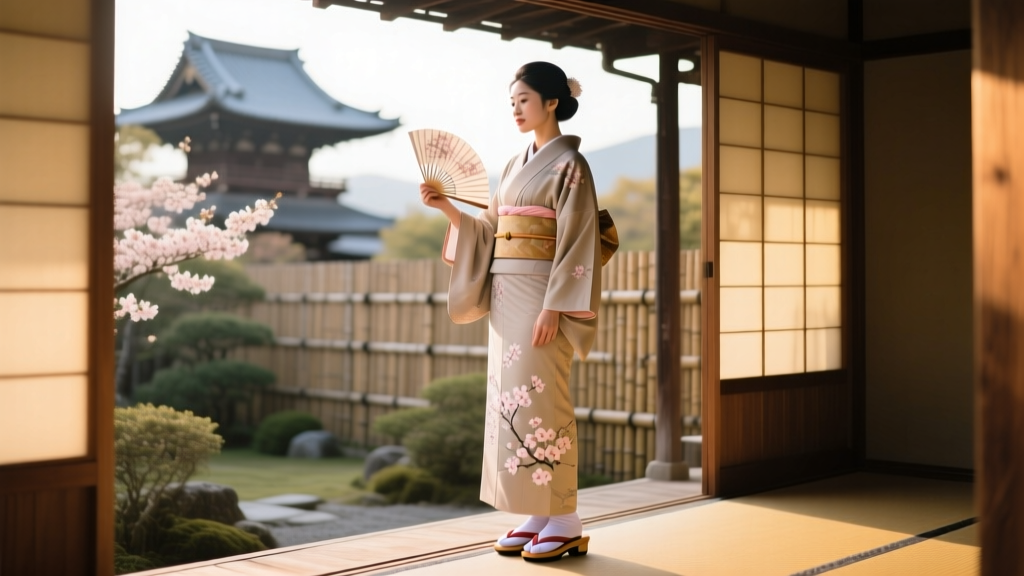
When exploring the vast landscape of Asian sartorial history, few garments carry the weight, elegance, and complexity of the Chinese traditional dress Hanfu (汉服). Often mistakenly conflated with the Manchu-influenced qipao (cheongsam) by Western observers, Hanfu represents the indigenous clothing system of the Han Chinese people, spanning over three millennia from the legendary Yellow Emperor to the mid-17th century. Today, a massive cultural revival movement—led by young enthusiasts known as Tongpao (同袍)—has brought Hanfu back to the streets of Beijing, Shanghai, and global diaspora communities. For beginners, navigating the intricate layers, historical dynasties, and modern purchasing channels can be daunting. This guide decodes the anatomy, silhouettes, and cultural protocols of Hanfu to help you build an authentic and respectful wardrobe.
Decoding the Anatomy and Flat-Cutting Philosophy
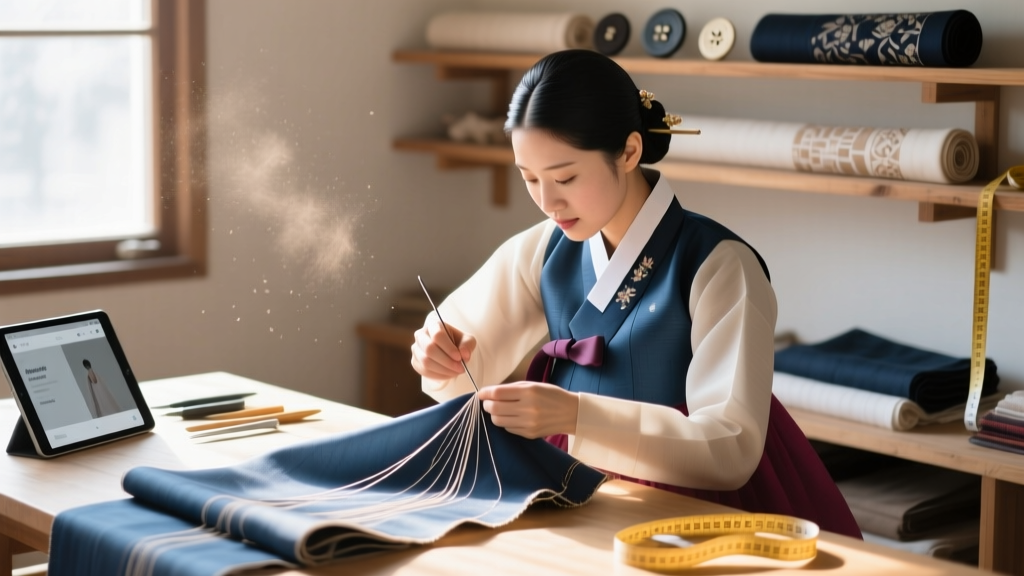
Unlike Western tailoring, which relies on darts and three-dimensional shaping to contour the body, traditional Hanfu is constructed using a geometric flat-cutting technique (平面裁剪). Fabric is woven to specific widths and cut in straight lines, preserving the integrity of the textile and allowing the garment to drape fluidly over the wearer's frame. This philosophy reflects ancient Daoist and Confucian ideals of harmony between humanity and nature.
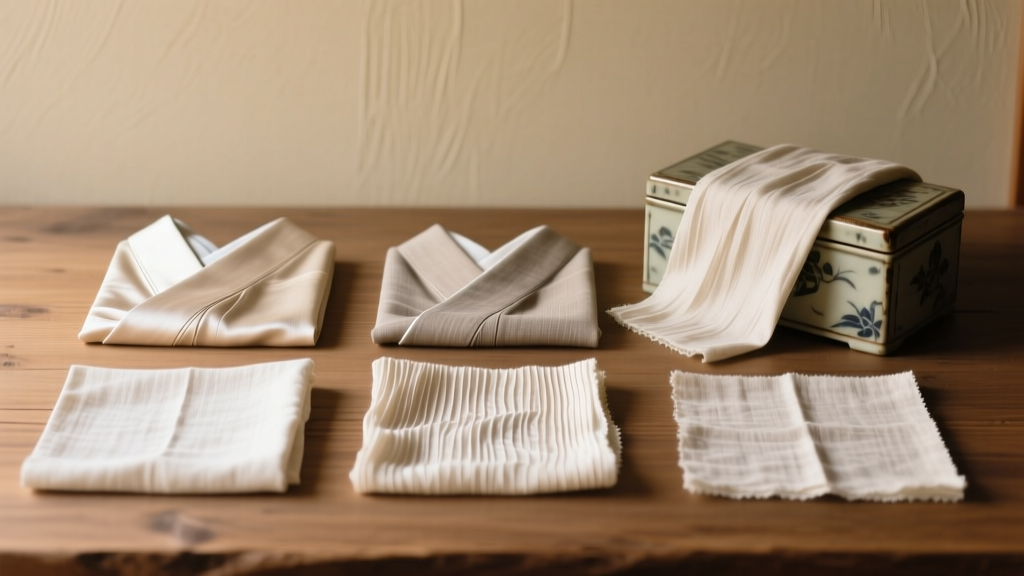
The most defining anatomical feature of Hanfu is Jiaoling Youren (交领右衽), which translates to "crossed collar, right lapel." The left side of the collar crosses over the right, securing at the right side of the torso. This is not merely an aesthetic choice but a profound cultural marker of civilization and life in historical China. The garments are devoid of buttons or zippers; instead, they are secured using hidden inner ties and long, elegant outer sashes known as yingluo or gongtao. A complete Hanfu ensemble is never a single piece; it requires a foundational inner layer called Zhongyi (中衣), typically made of white cotton or linen, which protects the outer silk layers from body oils and provides structural contrast at the collar and cuffs.
Three Essential Hanfu Silhouettes for Beginners
The term "Hanfu" is an umbrella category encompassing dozens of distinct silhouettes that evolved across various dynasties. For a beginner, focusing on three foundational styles provides the best entry point into the tradition.
1. Ruqun (襦裙): The Iconic Top-and-Skirt
The Ruqun consists of a short upper garment (ru) tucked into a long, flowing skirt (qun). During the Tang Dynasty (618–907 CE), the Qixiong Ruqun (chest-high skirt) became immensely popular among women, characterized by its high waistline tied just below the shoulders, often paired with a sheer, wide-sleeved overcoat called a Daxiushan. This silhouette exudes the cosmopolitan opulence and relaxed gender norms of the Tang era.
2. Mamianqun (马面裙): The Structured Ming Skirt
Translating to "horse-face skirt," the Mamianqun is a wrap skirt featuring flat, unpleated front and back panels (the "horse faces") flanked by heavily pleated side panels. Peaking during the Ming Dynasty (1368–1644 CE), this skirt is highly structured and heavily decorated with woven brocade motifs. Today, the Mamianqun is the most popular entry-level Hanfu piece, frequently paired with modern blouses or traditional Ao (padded jackets) for a seamless blend of historical and contemporary fashion.
3. Yuanlingpao (圆领袍): The Round-Collar Robe
Originally adopted from nomadic steppe cultures during the Northern Wei period and perfected in the Tang and Song dynasties, the Yuanlingpao is a one-piece, round-collared robe. While historically worn by men of all classes and women in specific official or equestrian contexts, it is beloved today by all genders for its dignified, scholarly aesthetic and practical mobility.
| Silhouette | Dynasty Peak | Defining Features | Modern Styling Application |
|---|---|---|---|
| Qixiong Ruqun | Tang (618–907) | Chest-high skirt, wide sleeves, sheer shawls | Summer festivals, photography, formal events |
| Mamianqun | Ming (1368–1644) | Pleated sides, flat front panels, heavy brocade | Daily wear, office attire (paired with modern knitwear) |
| Yuanlingpao | Tang / Song (960–1279) | Round collar, side slits, leather belt | Gender-neutral streetwear, academic conferences |
Fabric, Motifs, and Seasonal Protocols
Authentic Hanfu relies heavily on the language of textiles. According to the China National Silk Museum, historical weaving techniques dictate the drape, sheen, and cultural appropriateness of a garment. For summer, practitioners favor Xia Bu (ramie) or Xiangyunsha (香云纱). Xiangyunsha, often called "soft gold," is a highly specialized Cantonese silk dyed with yam juice and river mud, resulting in a dark, crackled, water-resistant fabric that rustles softly when walking.
For autumn and winter, heavier silks like Songjin (宋锦 - Song Brocade) and Zhuanghua (妆花 - woven gold) are utilized. Motifs are never random; they are deeply symbolic. Peonies represent wealth and honor, plum blossoms signify resilience in winter, and cranes denote longevity. The Victoria and Albert Museum's textile archives highlight how Ming dynasty weavers integrated these auspicious motifs directly into the loom structure, rather than embroidering them post-production, ensuring the fabric's reverse side remained neat against the skin.
Sourcing Authentic Hanfu: Price Ranges and Retailers
Entering the Hanfu market requires distinguishing between authentic historical reproductions and mass-produced fantasy wear. In the Chinese community, cheap, historically inaccurate polyester costumes are dismissively referred to as Xianfu (仙服 - "fairy clothes"). To build a respectful wardrobe, buyers should seek out established brands on platforms like Taobao or specialized global retailers.
- Entry-Level (150–350 CNY / $20–$50 USD): Brands like Shisan Yu (十三余) and Lanying Zhaoyin offer accessible, machine-washable polyester blends and basic cotton-linen Ruqun sets. Ideal for beginners testing their interest.
- Mid-Tier (500–1,500 CNY / $70–$210 USD): Shops like Minghuatang (明华堂) or Zhongling provide historically accurate cutting, natural fibers (mulberry silk, linen), and accurate dynasty-specific patterns. This is the sweet spot for serious enthusiasts.
- High-End Artisan (3,000+ CNY / $420+ USD): Custom commissions featuring intangible cultural heritage techniques, such as hand-woven Kesi (cut silk) or genuine gold-leaf thread weaving. These are investment pieces treated as heirloom art.
Search Tip: When shopping on Chinese e-commerce sites, use the keywords "正版汉服" (Authentic Hanfu) or "原创汉服" (Original Design Hanfu) to filter out cheap knock-offs and stolen designs.
Dressing Etiquette and the Right-Lapel Rule
Wearing Hanfu is an act of cultural participation, which necessitates adherence to foundational etiquette. The most critical rule, documented extensively in the Metropolitan Museum of Art's Heilbrunn Timeline of Art History, is the strict adherence to the right lapel (Youren). The left panel must always cross over the right. Crossing the right over the left (Zuoren) is strictly reserved for dressing the deceased for burial or was historically used to denote "barbarian" tribes outside the Central Plains. Wearing Zuoren in daily life is considered highly inauspicious and deeply offensive to traditionalists.
Furthermore, hair should ideally be tied up or styled neatly, as loose, unkempt hair was historically associated with mourning or a lack of civilization. Modern wearers often use minimalist wooden hair sticks (zan) or silk ribbons to complete the silhouette. By understanding the profound philosophy woven into every seam, pleat, and collar of the Chinese traditional dress Hanfu, beginners can move beyond mere costume and engage deeply with one of Asia's most magnificent living sartorial traditions.