Tang Suit Chinese Style: A Beginner's Guide to Tangzhuang
Beyond the Name: What Exactly is a Tangzhuang?
When exploring traditional Asian garments, few pieces carry as much modern cultural weight—and historical misconception—as the Tang suit. Known natively as the Tangzhuang (唐装), this iconic jacket is a staple of contemporary Chinese formalwear, frequently worn during Lunar New Year celebrations, weddings, and international diplomatic events. However, for beginners diving into the tang suit Chinese heritage, the first lesson is one of nomenclature: the garment has virtually nothing to do with the Tang Dynasty (618–907 AD).
Instead, the modern Tangzhuang is a direct descendant of the Qing Dynasty (1644–1912) magua, a traditional horse-riding jacket worn by Manchu men. The term 'Tang suit' emerged much later, largely popularized by overseas Chinese communities in 'Chinatowns' (often referred to historically as 'Tangren Street' or Tangrenjie) to denote clothing of Chinese origin. Today, it stands as a fascinating bridge between imperial tailoring traditions and modern sartorial identity.
The 2001 APEC Summit: A Modern Catalyst
While the magua has existed for centuries, the global explosion of the Tangzhuang can be traced to a single, highly publicized event: the 2001 Asia-Pacific Economic Cooperation (APEC) summit in Shanghai. In a display of cultural diplomacy, host nation leaders presented visiting heads of state with custom-fitted silk brocade jackets featuring traditional frog buttons.
'The APEC summit did not merely showcase a garment; it engineered a modern national dress. By blending Qing-era silhouettes with contemporary tailoring, the Tangzhuang was reborn as a symbol of unified Chinese heritage on the global stage.' — BBC Culture's exploration of Chinese sartorial history
Following this summit, domestic demand skyrocketed. The jacket transitioned from an ethnic minority garment or diaspora identifier into a mainstream symbol of Chinese cultural pride, prompting a massive revival in domestic textile production and bespoke tailoring.
Anatomical Breakdown: Flat Cutting and the Mandarin Collar
To appreciate the Tangzhuang, one must understand its structural engineering. Unlike Western suiting, which relies on complex darts, shoulder pads, and three-dimensional tailoring to contour the body, the traditional Chinese jacket utilizes a two-dimensional flat-cutting method.
- Continuous Sleeves: In authentic, traditional construction, the sleeves and the main body are cut from a single continuous piece of fabric. This results in a dropped shoulder seam, offering a relaxed, boxy silhouette that prioritizes comfort and ease of movement over rigid structuring.
- The Mandarin Collar: A short, unfolded stand-up collar that sits snugly against the neck. It frames the face elegantly and is a direct stylistic carryover from Qing-era nobility.
- Side Vents: Strategic slits at the side seams (and sometimes the back) allow the jacket to drape comfortably over the hips, a necessary feature originally designed for horseback riding.
The Engineering of Pankou (Frog Fasteners)
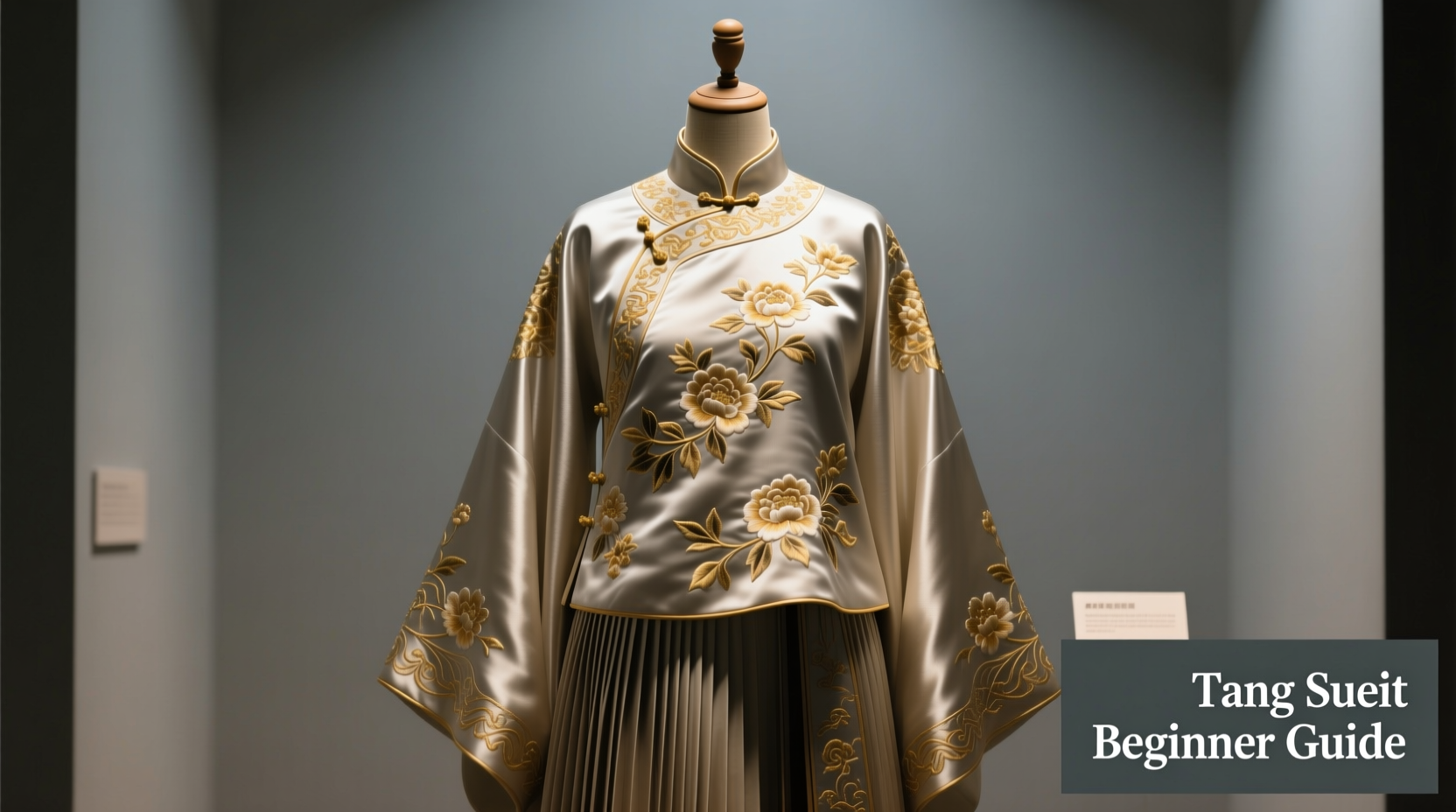
The most visually distinct feature of the Tangzhuang is the Pankou (盘扣), or frog button. Far from being mere decorative accents, these are complex, hand-woven silk knots that serve as the garment's primary closure system. A Pankou set consists of two parts: the pan (the intricate, hardened knot) and the kou (the loop that catches the knot). Artisans spend years mastering the weaving of these fasteners, which can be shaped into floral motifs, butterflies, or geometric patterns, adding a layer of bespoke artistry to the jacket.
Textile Heritage: Brocades, Motifs, and Material Weight
The visual impact of a Tang suit relies heavily on its textile. Historically, the magua was made from heavy silks, satins, or even fur-lined cottons for winter wear. Today, the most coveted fabric for formal Tangzhuang is silk brocade, specifically Songjin (Song brocade) or Shujin (Shu brocade).
According to the The Metropolitan Museum of Art's Heilbrunn Timeline of Art History, Chinese silk weaving techniques reached unprecedented levels of complexity during the late imperial periods, allowing for raised, multi-colored patterns that catch the light dynamically. When selecting a Tangzhuang, pay close attention to the motifs woven into the brocade:
- Bats (Bianfu): A homophone for 'good fortune' in Mandarin, frequently repeated in geometric borders.
- Peonies (Mudan): The 'king of flowers,' symbolizing wealth, honor, and prosperity.
- Cloud Patterns (Yunwen): Representing celestial blessings and continuous good luck.
For warmer climates or casual wear, modern iterations utilize linen-cotton blends or raw silk, which offer breathability while maintaining the garment's structural integrity.
Market Guide: Navigating Price Tiers and Authenticity
For beginners looking to purchase their first Tang suit Chinese style jacket, the market can be overwhelming. Prices vary wildly based on fabric origin, construction methods, and the complexity of the Pankou. Below is a structured matrix to help you navigate the market.
| Tier | Price Range (USD) | Materials & Construction | Best Use Case |
|---|---|---|---|
| Fast Fashion / Tourist | $30 – $75 | Polyester blends, machine-stamped faux frogs, fused collars, standard sizing. | Costume parties, single-use festival wear, casual souvenirs. |
| Mid-Tier / Commercial | $120 – $280 | Real silk brocade or high-grade linen, functional hand-tied Pankou, half-canvas lining. | Lunar New Year dinners, family weddings, cultural events. |
| Bespoke / Artisan | $450 – $1,500+ | Heritage Songjin/Shujin silk, continuous sleeve flat-cutting, bespoke Pankou motifs, horn/silk interiors. | Diplomatic events, high-end formalwear, heirloom collecting. |
When shopping, always inspect the Pankou. If the knots are perfectly uniform, flat, and glued to the fabric, they are machine-made. Genuine artisan Pankou will have a slight three-dimensional texture and flexibility. For authentic textile sourcing and historical verification, the Victoria and Albert Museum's Asian Collections remains an invaluable digital resource for comparing modern brocades against historical Qing dynasty fragments.
Contemporary Styling: Integrating Heritage into Modern Dress
The most common mistake beginners make when wearing a Tangzhuang is treating it as a theatrical costume. To wear the garment with dignity and modern flair, it must be integrated into a contemporary wardrobe through contrast and minimalism.
Styling Frameworks for Men and Women
- The Monochrome Base: Pair a richly patterned, deep red or navy brocade Tangzhuang with a crisp, black merino wool turtleneck and tailored charcoal trousers. The dark base grounds the ornate jacket, allowing the silk to be the focal point.
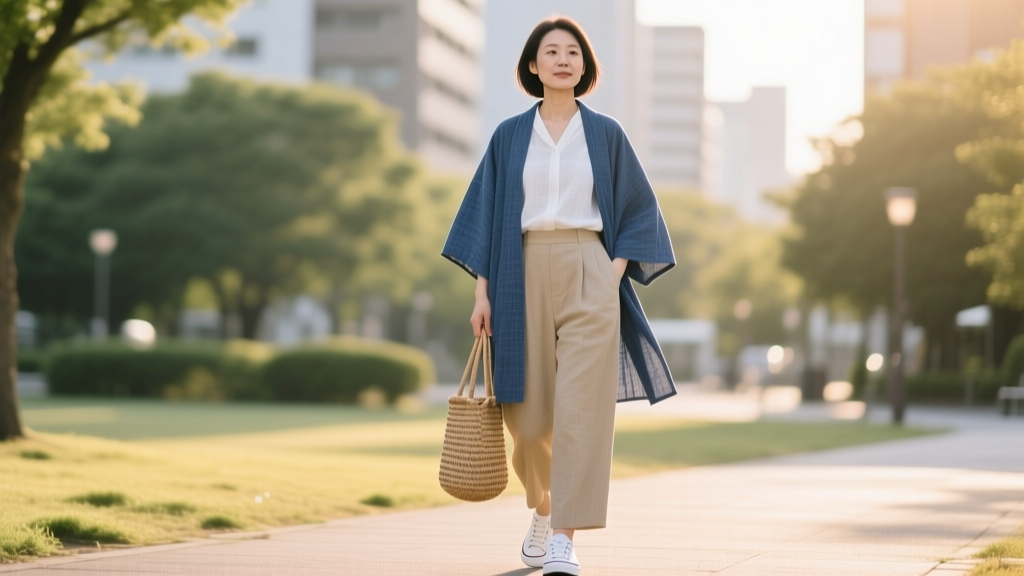
- Smart Casual Fusion: For women, a cropped, linen-blend Tangzhuang in a muted sage or ivory looks exceptionally elegant when layered over a simple silk slip dress or paired with high-waisted, wide-leg linen trousers.
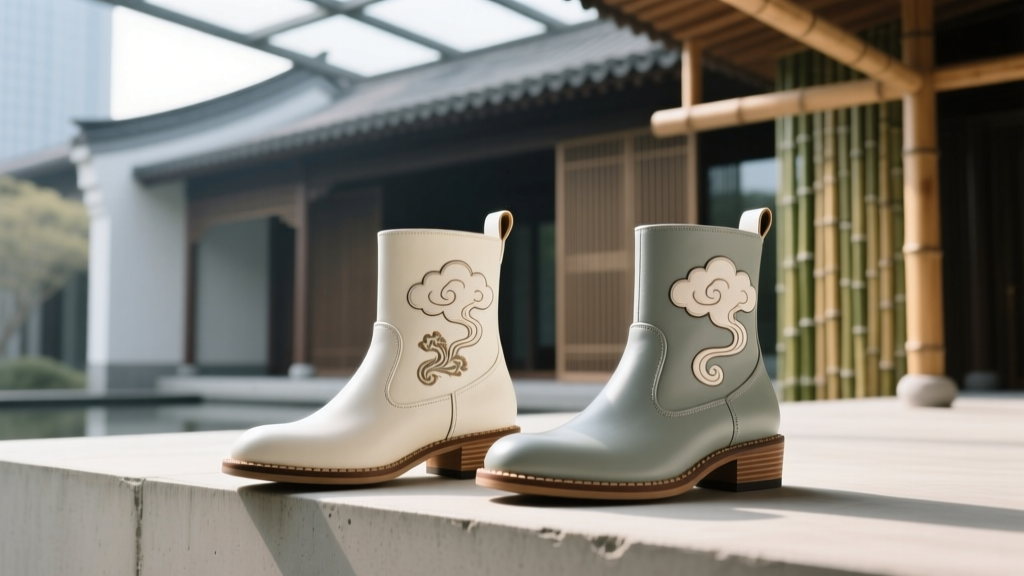
- Footwear Protocols: Avoid traditional cloth shoes unless you are in a highly specific ceremonial setting. Instead, opt for minimalist leather loafers, Chelsea boots, or clean, unbranded white sneakers to bridge the gap between heritage and modern streetwear.
Cultural Etiquette and Wearing Protocols
While the Tangzhuang is widely embraced as a pan-Chinese cultural garment today, it is important to wear it with an understanding of its context. It is inherently festive and formal. Wearing a heavy silk brocade Tangzhuang to a casual daytime business meeting may be viewed as sartorially incongruous. Reserve the heavier brocades for evening events, winter holidays, and weddings.
Furthermore, be mindful of color symbolism. While red is universally celebrated for weddings and New Year festivities, stark white or unadorned black brocades can sometimes carry somber connotations in traditional contexts, though modern fashion has largely relaxed these rules. Ultimately, the Tangzhuang is a living garment—a testament to the adaptability of Asian traditional garments. By understanding its Qing dynasty roots, respecting its intricate construction, and styling it with contemporary intention, you honor the profound legacy of Chinese textile history.