Chinese Qipao Evolution: 1920s to Today
Introduction
The qipao (cheongsam) is perhaps the most internationally recognized Chinese garment, but its current form-fitting silhouette is barely a century old. The journey from the loose Manchu robe to today's sleek dress mirrors China's modern social transformation.
Manchu Origins (1644-1911)
The original qipao was a straight, loose-fitting one-piece robe worn by Manchu women during the Qing Dynasty. It hung from shoulder to ankle with wide sleeves and high collar, concealing the body's shape entirely. "Qipao" literally means "banner robe," referencing the Manchu banner system.
The Shanghai Revolution (1920s-1940s)
Shanghai's cosmopolitan fashion scene transformed the qipao in the 1920s and 1930s. Designers narrowed the waist, raised the hem, shortened the sleeves, and added side slits. The result was a garment that blended Chinese tradition with Western-influenced body-consciousness. This golden-age qipao became synonymous with Shanghai glamour.
Modern Revival (1990s-Present)
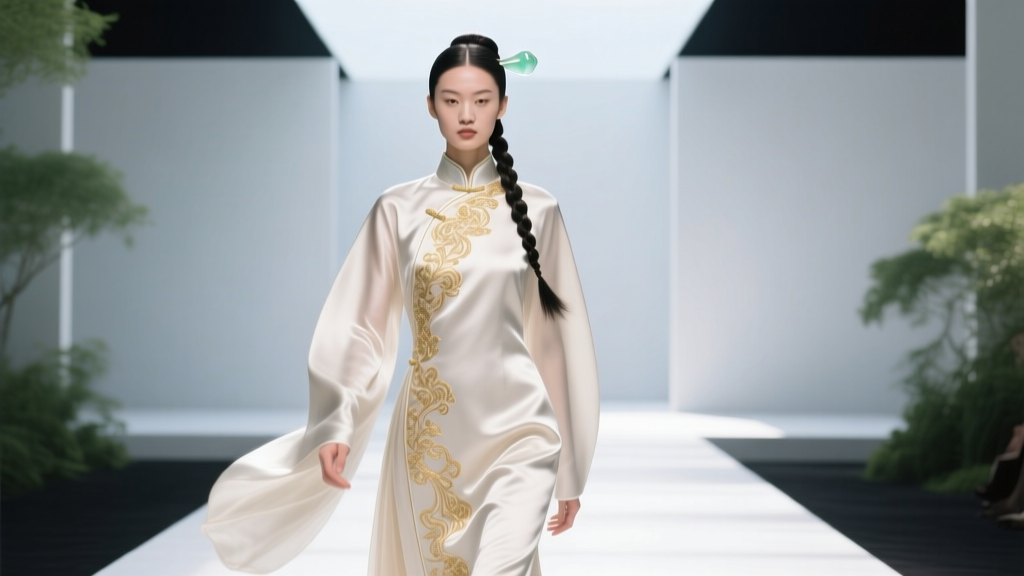
After declining during the Cultural Revolution, the qipao experienced a revival in the 1990s. Contemporary designers experiment with new fabrics, shorter lengths, and hybrid silhouettes. It remains popular for weddings, formal dinners, and cultural celebrations.
- Traditional silk with hand-embroidered motifs
- Modern stretch fabrics for everyday wear
- Mini-length qipao for younger demographics
- Menswear-inspired qipao jackets
Conclusion
The qipao's evolution reflects the tension between tradition and modernity that defines contemporary Chinese fashion. Its ability to adapt while retaining its distinctive collar, frog closures, and side slits ensures its continued relevance.