Chinese Hanfu Revival: Modern Silk Robes

Chinese Hanfu Revival: Modern Silk Robes
The Hanfu movement has become one of the most fascinating cultural phenomena in modern China. What began as a niche interest among history enthusiasts in the early 2000s has grown into a mainstream fashion movement, with millions of young Chinese embracing the traditional clothing of the Han ethnic group.
What Is Hanfu?
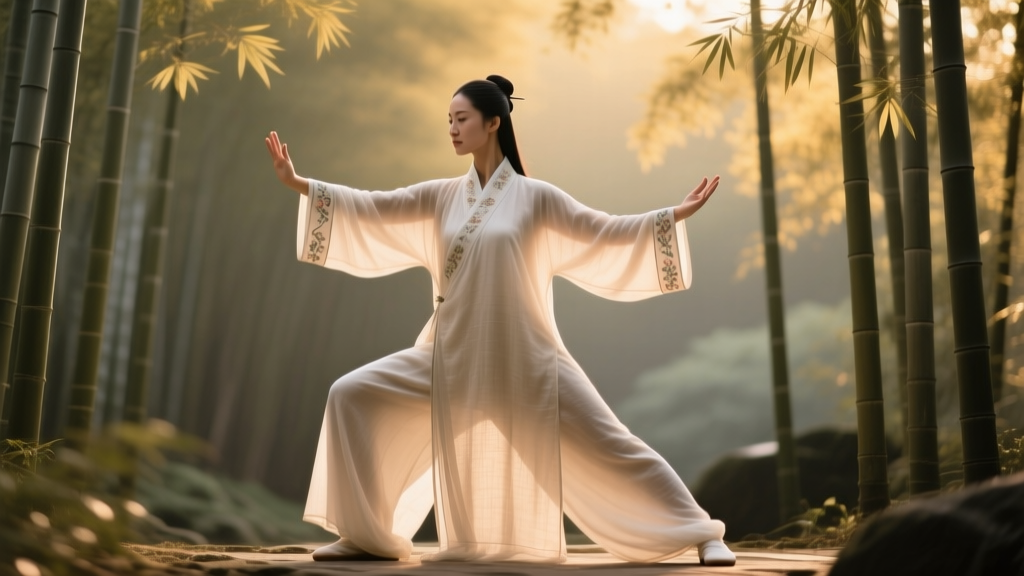
Hanfu refers to the historical dress of the Han Chinese people, spanning over three millennia from the Huangdi period to the end of the Ming Dynasty. Characterized by its cross-collar (交领), wide sleeves, and flowing silhouettes, Hanfu represents a distinct aesthetic that differs markedly from the qipao and tangzhuang commonly associated with Chinese fashion.
Key Hanfu Styles
- Ruqun (襦裙): A blouse-and-skirt combination, with the skirt tied high at the waist or chest
- Shenyi (深衣): A one-piece robe connecting the upper and lower garments
- Zhiduo (直裰): A straight-cut robe popular among scholars
- Aoqun (袄裙): A jacket-and-skirt ensemble from the Ming Dynasty
The Modern Revival
Social media platforms like Douyin and Xiaohongshu have fueled the Hanfu revival, with influencers showcasing elaborate outfits against historical backdrops. The Hanfu industry was valued at over 10 billion RMB by 2023, with dedicated brands offering both historically accurate reproductions and modernized interpretations suitable for daily wear.
Fabric and Craftsmanship
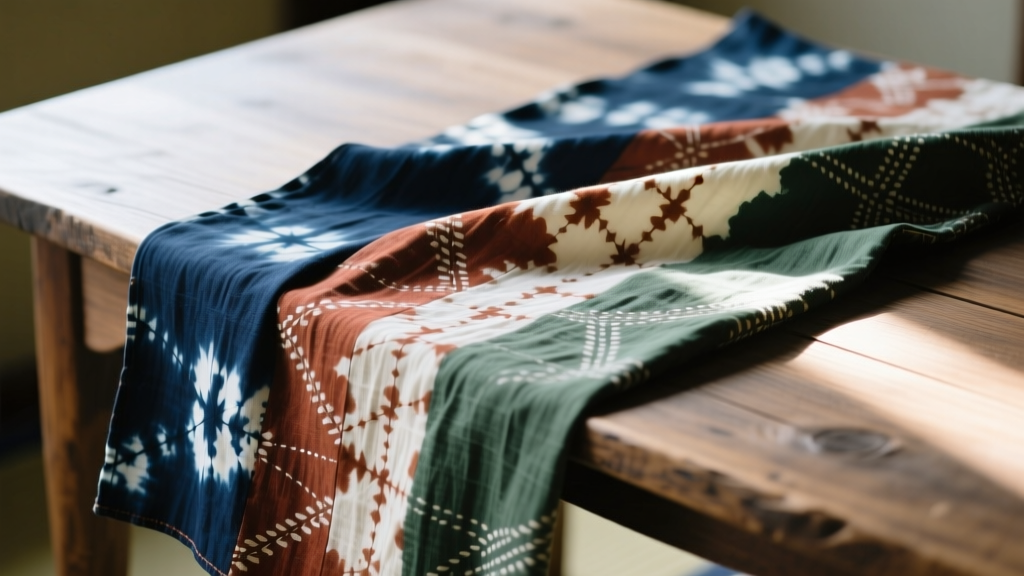
Traditional Hanfu employs luxurious materials including mulberry silk, brocade, and gauze. Weaving techniques such as k缂丝 (kesi) tapestry and yunjin cloud brocade are UNESCO-recognized intangible cultural heritage. Modern Hanfu brands balance authenticity with affordability, using silk blends and digital printing to make these garments accessible.
Wearing Hanfu Today
The movement has sparked debates about cultural identity, historical accuracy, and fashion evolution. For many wearers, Hanfu is not costume play but a genuine expression of cultural pride. Hanfu festivals, photography studios, and themed cafes have emerged across Chinese cities, creating a vibrant subculture that bridges past and present.