The Hanfu Revival Movement in Modern China

The hanfu movement represents one of the most fascinating cultural revivals of the 21st century. What began as a niche interest among history enthusiasts has grown into a mainstream phenomenon, with millions of young Chinese embracing traditional Han clothing in daily life.
Defining Hanfu
Hanfu refers to the historical dress of the Han Chinese people, spanning from the Huangdi period through the Ming dynasty. Key features include cross-collar robes (jiaoling youren), wide sleeves, and flowing silhouettes secured with sashes rather than buttons.
Major Styles
The ruqun ensemble pairs a short jacket with a long skirt, popular among women. The shenyi is a one-piece robe connecting upper and lower garments, symbolizing the unity of heaven and humanity. The zhiju is a straight-hem robe favored for formal occasions.
Cultural Significance
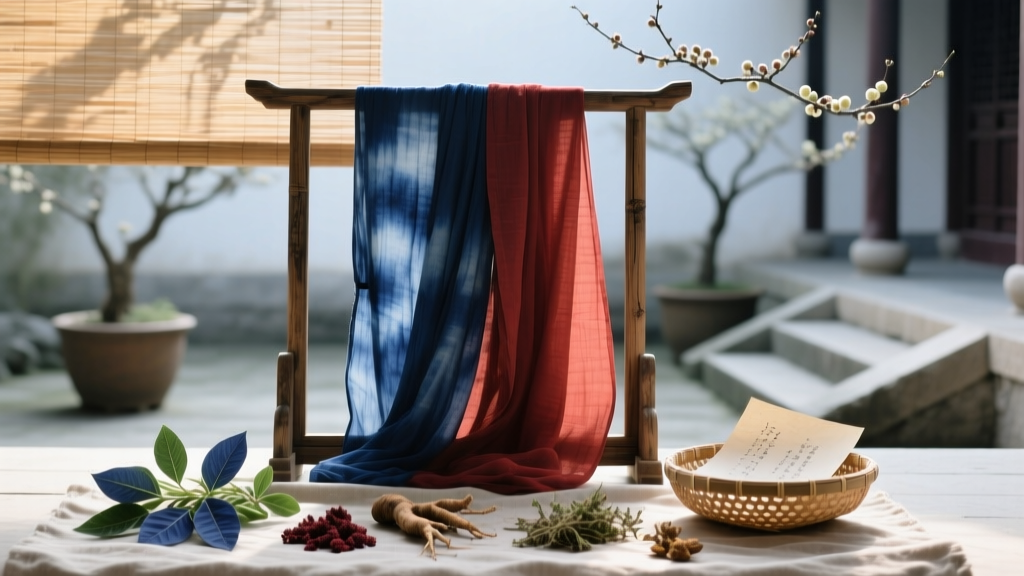
For participants, wearing hanfu is not mere costume play but a reconnection with cultural identity. The movement has sparked academic interest in historical textile techniques, dyeing methods, and the philosophical underpinnings of Chinese dress codes.