Chinese Fashion: Hanfu, Qipao, Tang

The Triad of Traditional Chinese Fashion Styles
When exploring traditional Chinese fashion styles, global audiences often conflate thousands of years of diverse sartorial evolution into a single, monolithic image. In reality, the sartorial heritage of China is a complex tapestry woven from dynastic shifts, regional climates, and ethnic diversity. To truly understand Chinese fashion styles, one must look beyond the ubiquitous red satin dress and examine the distinct architectural differences between the flowing lines of Hanfu, the tailored precision of the Qipao, and the hybrid modernity of the Tang suit.
This comprehensive guide deconstructs these primary garments, offering historical context, construction details, and practical buying frameworks for collectors, cultural enthusiasts, and modern wearers alike.
Hanfu (汉服): The Ancient Foundation
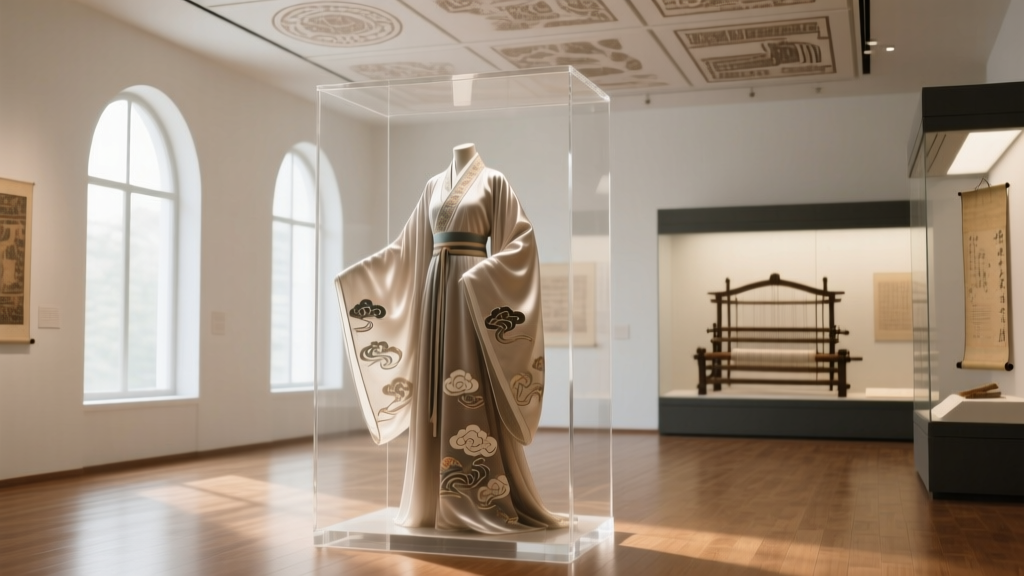
Hanfu translates literally to "Han clothing," referring to the traditional dress of the Han Chinese people prior to the Qing Dynasty (1644–1912). Far from a single uniform, Hanfu encompasses a vast array of silhouettes that evolved across the Han, Tang, Song, and Ming dynasties. According to the Metropolitan Museum of Art's Heilbrunn Timeline, Ming dynasty textiles represent a pinnacle of Chinese weaving technology, heavily influencing the Hanfu revival movement seen today.
Silhouette and the "Right Lapel" Rule
The defining characteristic of traditional Hanfu is the Jiaoling Youren (交领右衽), or cross-collar with the right lapel. The left side of the collar crosses over the right, symbolizing life and yang energy; reversing this (left lapel) was historically reserved for the deceased. The garment typically lacks buttons, relying instead on silk sashes and hidden ties to secure the robe.
Two dominant silhouettes define the modern Hanfu market:
- Ruqun (襦裙): A two-piece ensemble consisting of a short top (ru) and a high-waisted skirt (qun). The Tang dynasty variation features daringly low necklines and wide sleeves, reflecting the cosmopolitan Silk Road influences of the 8th century.
- Mamianqun (马面裙): The "horse-face skirt" of the Ming dynasty. Characterized by flat front and back panels with pleated sides, this skirt was designed for ease of movement while riding. Today, it is heavily adapted into modern office wear, paired with tailored blouses.
Qipao (旗袍): The Tailored Revolution
Often mistakenly labeled as China's oldest traditional garment, the Qipao (or Cheongsam in Cantonese) is actually a product of the early 20th century. Born in the 1920s, it represents a radical shift in Chinese fashion styles, merging Manchu banner robes with Western tailoring techniques to celebrate the natural female form.
Hai-Pai vs. Jing-Pai: A Tale of Two Cities
Understanding the Qipao requires distinguishing between its two primary regional tailoring schools:
- Jing-Pai (Beijing Style): Rooted in tradition, the Beijing style is characterized by a straighter, looser silhouette, heavier brocades, and elaborate, wide embroidered borders. It projects an aura of aristocratic dignity and modesty.
- Hai-Pai (Shanghai Style): The Shanghai style is the form-fitting, darted version recognized globally. Influenced by 1930s European fashion, it utilizes bust and waist darts, set-in sleeves, and high side slits. It is typically made from lighter silks, crepes, and lace.
The structural hallmark of the Qipao is the Pankou (盘扣), or knotted button. Artisans spend hours crafting these intricate frog closures from stiffened silk strips, often shaping them into floral or auspicious motifs like the plum blossom or the swastika (an ancient Buddhist symbol of eternity).
Tangzhuang (唐装): The Modern Historical Hybrid
Despite its name, which translates to "Tang Dynasty Suit," the Tangzhuang has no historical connection to the Tang Dynasty (618–907 AD). The term "Tang" is often used in Chinese diaspora communities (e.g., Chinatowns are "Tangrenjie" or Streets of the Tang People) to denote "Chinese" broadly.
The modern Tangzhuang is actually derived from the Magua (马褂), a Manchu riding jacket from the Qing Dynasty. It was catapulted to global prominence during the 2001 APEC Summit in Shanghai, where world leaders wore custom silk Tang suits. Characterized by a Mandarin collar, a front center opening, and Pankou fastenings, the Tangzhuang is cut from a single piece of fabric without shoulder seams, resulting in a boxy, structured fit that accommodates various body types but restricts overhead arm movement.
Beyond the Han Majority: Regional and Minority Styles
A complete study of Chinese fashion styles must acknowledge the 55 recognized ethnic minorities, whose textile traditions are vastly different from Han and Manchu styles. The Victoria and Albert Museum highlights the incredible complexity of minority textiles in their Asian collections.
- Miao (Hmong) Embroidery: The Miao people of Guizhou province are renowned for their intricate pleated skirts and monumental silver headdresses. Their embroidery serves as a wearable historical record, utilizing a complex couching technique with silk threads dyed using natural indigo and plant roots.
- Yi Clothing: The Yi people of the Liangshan mountains favor heavy woolen capes (Chakwa) dyed in striking geometric patterns of black, red, and yellow, designed to withstand high-altitude alpine climates.
Garment Comparison Matrix
To assist collectors and wearers in selecting the appropriate garment, refer to the comparative data below:
| Garment | Era of Origin | Collar & Fastening | Typical Fabric | Price Range (USD) |
|---|---|---|---|---|
| Hanfu (Ruqun) | Pre-1644 (Various) | Cross-collar, Sash ties | Chiffon, Mulberry Silk, Linen | $60 - $300 |
| Mamianqun | Ming (1368–1644) | Wrap skirt, Metal toggles | Jacquard, Song Brocade | $80 - $400 |
| Qipao (Hai-Pai) | 1920s Shanghai | Mandarin, Pankou knots | Silk Crepe, Lace, Satin | $150 - $2,500+ |
| Tangzhuang | Qing / 2001 Revival | Mandarin, Pankou knots | Brocade, Cotton blends | $50 - $250 |
Sourcing Authentic Textiles: A Buyer's Framework
When investing in traditional Chinese fashion styles, fabric authenticity is paramount. The mass market is flooded with polyester brocades mislabeled as silk. True connoisseurs seek out specific heritage textiles:
Xiangyunsha (香云纱): Gambiered Guangdong Silk
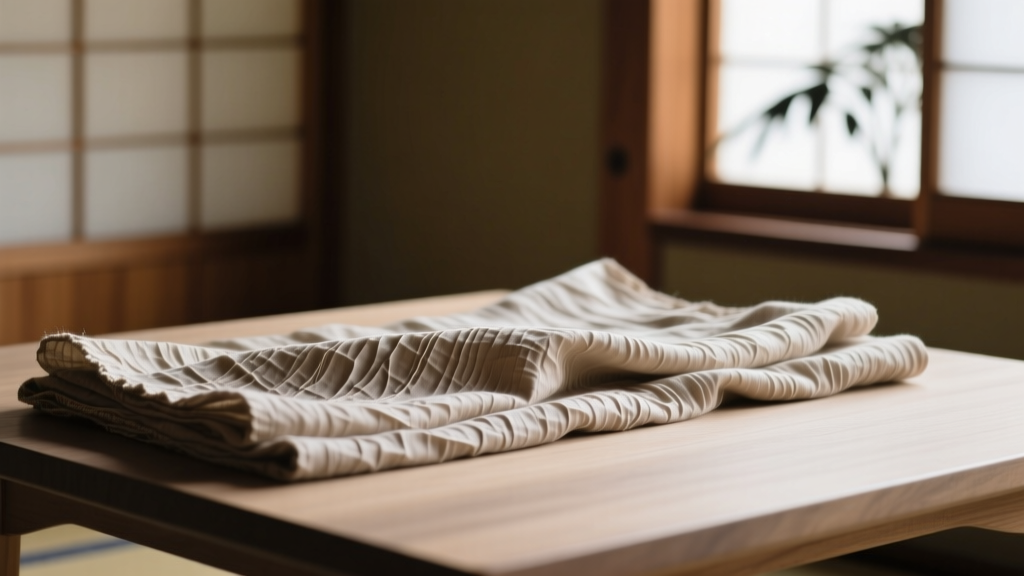
Recognized as a National Intangible Cultural Heritage, Xiangyunsha is a highly prized silk dyed using the juice of the Dioscorea cirrhosa tuber and coated with iron-rich river mud from the Pearl River Delta. The resulting fabric is dark brown on one side and black on the other, featuring a subtle, crackled glaze. It is naturally antibacterial, waterproof, and becomes softer with wear. Authentic Xiangyunsha Hanfu or Qipao garments are investment pieces, typically starting at $600 USD and reaching upwards of $2,500 USD for bespoke tailoring.
Song Brocade (宋锦)
Originating in the Song Dynasty, this complex weave features a floating weft technique that creates a matte, highly durable patterned fabric. Unlike the high-shine of modern satin brocades, Song brocade has an elegant, subdued luster, making it the premier choice for high-end Mamianqun and formal Tangzhuang jackets. The China National Silk Museum in Hangzhou remains the definitive authority on the preservation and authentication of these historical weaves.
Cultural Note on Wearing: Traditional garments are living artifacts. When wearing a Qipao or Hanfu, understanding the context—such as avoiding white or black head-to-toe ensembles which are traditionally associated with mourning, or ensuring the Hanfu collar crosses correctly—demonstrates a deep respect for the culture that birthed these magnificent Chinese fashion styles.
Conclusion
The landscape of Chinese fashion styles is not a static museum exhibit, but a dynamic, evolving dialogue between antiquity and modernity. Whether you are drawn to the sweeping, poetic sleeves of a Ming dynasty robe, the architectural precision of a Shanghai Qipao, or the bold geometric weaves of minority artisans, approaching these garments with an understanding of their construction and history transforms the act of dressing into an act of cultural preservation.