What Is a Chinese Dress Called? 2026 Modern Styling Guide

Decoding the Terminology: What Is a Chinese Dress Called?
When navigating the rich tapestry of Asian sartorial history, one of the most common queries among global fashion enthusiasts and cultural historians is, 'what is a chinese dress called?' The answer is rarely a single garment. Instead, it encompasses a diverse spectrum of clothing that has evolved over millennia. While Western pop culture often defaults to the form-fitting qipao (or cheongsam) as the definitive Chinese dress, the reality of Chinese sartorial heritage is vastly more complex, featuring flowing Han dynasty robes, intricate Ming dynasty skirts, and highly structured ceremonial wear.
As we move through 2026, the global fashion landscape is witnessing a renaissance of traditional Asian garments. The 'Hanfu Daily' movement and modernized qipao styling are bridging the gap between historical preservation and contemporary wardrobes. This guide decodes the specific names of Chinese dresses, explores their unique construction, and provides actionable styling frameworks for wearing these cultural treasures today with deep respect and modern flair.
The Qipao (Cheongsam): The Iconic Silhouette
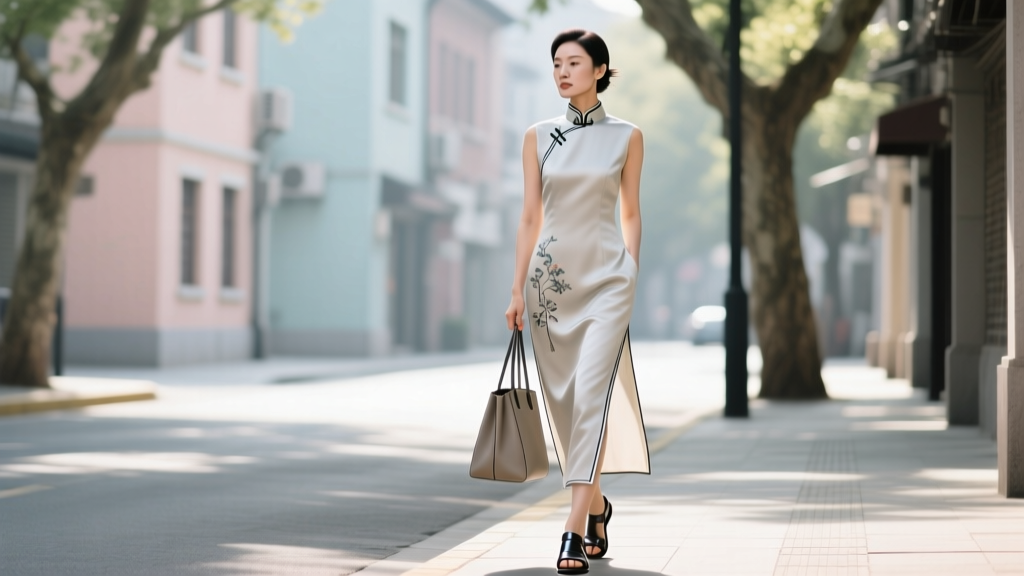
If you are picturing a figure-hugging dress with a high mandarin collar and side slits, you are thinking of the qipao (Mandarin) or cheongsam (Cantonese). Originating in the 1920s in Shanghai, the modern qipao was a radical departure from the loose, voluminous robes of the Qing dynasty. Influenced by Western tailoring, Shanghai artisans introduced darts, set-in sleeves, and structured silhouettes to celebrate the natural form.
Construction and Authentic Details
An authentic qipao is defined by several non-negotiable structural elements:
- Mandarin Collar (Yuanling): A stiff, stand-up collar that frames the neck, often ranging from 3cm to 6cm in height.
- Pankou (Frog Fasteners): Hand-knotted silk buttons that serve both functional and decorative purposes. Master artisans can spend up to four hours crafting a single complex floral pankou knot.
- Kaiqi (Side Slits): Slits that traditionally begin at the knee or mid-thigh, allowing for ease of movement while revealing a glimpse of the leg or coordinating trousers.
- Xiangbian (Piping): Intricate silk piping along the edges, which can feature single, double, or even triple layers of contrasting fabric to frame the garment's geometry.
2026 Styling Framework: The Modern Qipao
The days of reserving the qipao solely for weddings or Lunar New Year are over. For contemporary styling, contrast is your best tool. Pair a sleeveless, knee-length velvet qipao with a structured, oversized wool blazer and chunky leather loafers for a boardroom-ready look. For evening wear, a floor-length silk qipao crafted from Xiangyunsha (Gambiered Canton Gauze) pairs beautifully with minimalist metallic mules and a sculptural ear cuff. Avoid overly busy accessories; let the intricate pankou and fabric patterns command the visual space.
Hanfu: The Flowing Heritage of the Han People
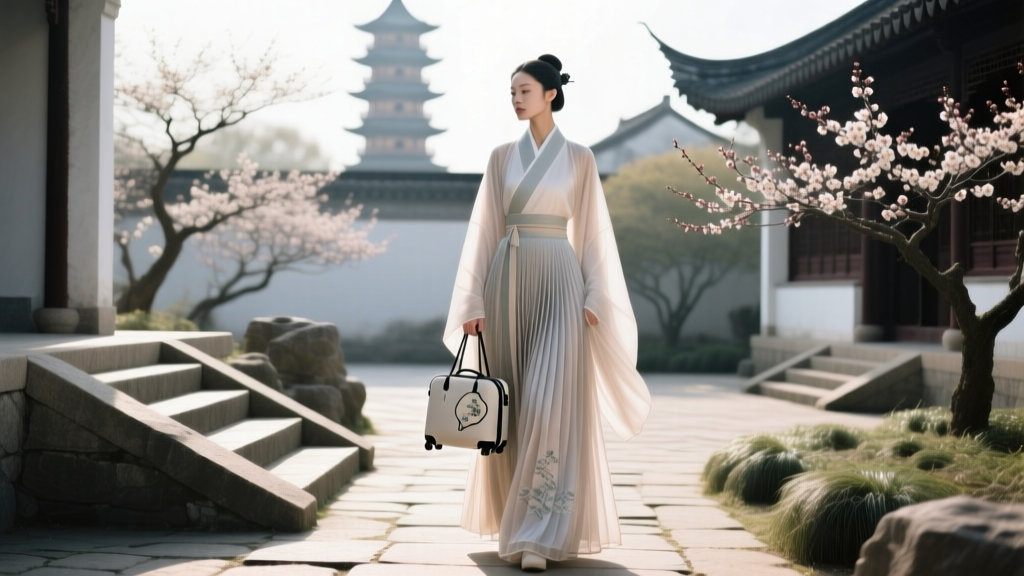
When asking 'what is a chinese dress called' in a historical context predating the Qing dynasty (1644–1912), the correct term is Hanfu. Hanfu refers to the traditional clothing of the Han Chinese people, boasting a continuous history of over 3,000 years. Unlike the tailored qipao, Hanfu is characterized by its fluid, unstructured lines, wide sleeves, and sash-tied waists.
Key Garment Variations
Hanfu is not a single dress but a modular system of garments. The most prominent styles seen in modern revivals include:
- Ruqun: A two-piece ensemble consisting of a crossed-collar top (ru) and a pleated skirt (qun). This is the most common silhouette for women, heavily popularized during the Tang and Song dynasties.
- Mamianqun (Horse-Face Skirt): A masterpiece of Ming dynasty textile engineering. This wrap skirt features flat front and back panels with deeply pleated sides, allowing for dramatic movement while maintaining a structured front profile.
- Beizi: An open-front, long-sleeved jacket worn over a camisole and skirt, popular in the Song dynasty for its elegant, understated layering.
Everyday Hanfu (Hanfu Daily) Styling
The integration of Hanfu into daily life—often termed 'Hanfu Daily'—relies on modular mixing. A traditional Ming-style Mamianqun woven with subtle metallic threads can be styled with a crisp, modern white button-down shirt or a fine-knit cashmere turtleneck. Tuck the modern top into the skirt's high waistband, secure it with the traditional silk ties, and finish with ankle boots. This juxtaposition honors the skirt's historical geometry while grounding it in contemporary urban aesthetics.
Qungua and Xiuhefu: Bridal and Ceremonial Elegance
For those inquiring about the heavily embroidered, two-piece red dresses seen in traditional Chinese weddings, these are called Qungua (specifically the Longfeng Gua, featuring dragon and phoenix motifs) or Xiuhefu. The Qungua is a jacket-and-skirt combination originating from southern China, heavily favored in Cantonese and Hokkien wedding ceremonies. The Xiuhefu is a modernized, stylized adaptation of Ming/Qing era Han clothing, characterized by its flared sleeves and intricate A-line skirt.
These garments are masterclasses in chaoxiu (Cantonese embroidery) and sushou (Suzhou silk embroidery). A bespoke, hand-embroidered Qungua utilizing real gold and silver bullion thread can take a master artisan up to a year to complete, with prices easily exceeding $15,000 USD. For modern brides, renting these heirloom-quality pieces from specialized boutiques is the most sustainable and culturally authentic approach.
Comparative Guide: Choosing Your Chinese Garment
To help you navigate the terminology and styling options, refer to this structured comparison of primary Chinese dresses and garments.
| Garment Name | Historical Era / Origin | Key Structural Features | Modern Styling Use Case | Estimated Price Range (USD) |
|---|---|---|---|---|
| Qipao / Cheongsam | 1920s Shanghai (Republic Era) | Form-fitting, mandarin collar, pankou knots, side slits | Cocktail parties, professional wear, elegant dinners | $150 (RTW) - $4,500+ (Bespoke) |
| Ruqun (Hanfu) | Tang / Song Dynasties | Cross-collar top, high-waisted pleated skirt, wide sleeves | Festival wear, cultural events, summer resort styling | $80 - $350 (Indie Brands) |
| Mamianqun | Ming Dynasty | Horse-face skirt, flat front/back, pleated sides, wrap tie | Office wear, winter styling with boots and knitwear | $120 - $600 (Woven Silk) |
| Qungua | Qing Dynasty (Southern) | Structured jacket, A-line skirt, dense metallic embroidery | Traditional weddings, tea ceremonies, formal banquets | $1,000 - $15,000+ (Hand-embroidered) |
Sourcing Authentic Pieces and Fabric Deep Dive
When investing in traditional Chinese garments, fabric composition dictates both the aesthetic drape and the cultural authenticity. The pinnacle of luxury Chinese silk is Xiangyunsha (Gambiered Canton Gauze). Recognized by UNESCO as an Intangible Cultural Heritage, this fabric is dyed using the juice of the shulang plant and coated with iron-rich river mud from the Pearl Delta. The resulting fabric is dark, slightly crisp, and makes a distinctive rustling sound when worn. According to the China National Silk Museum, the preservation of these specialized dyeing techniques is vital to maintaining the integrity of historical garment reproduction.
For sourcing authentic qipaos, bespoke tailors in Shanghai's French Concession or Hong Kong's Central district offer the highest quality. A true bespoke qipao requires multiple fittings to ensure the xiangbian (piping) aligns perfectly across the side seams. For Hanfu, reputable online artisan cooperatives and established brands like Minghuatang offer historically accurate patterning based on extant artifacts studied by institutions like The Metropolitan Museum of Art.
Cultural Protocols and Respectful Wear
Wearing traditional garments requires an understanding of cultural protocols to avoid unintentional disrespect. The most critical rule in Hanfu and traditional Chinese clothing is the concept of Jiaoling Youren (交领右衽). This dictates that the left lapel must always cross over the right lapel, forming a 'y' shape at the collar. The reverse—right over left (zuoren)—is strictly reserved for dressing the deceased in funerary rites. Wearing a garment right-over-left is considered highly inauspicious and offensive in traditional contexts.
Furthermore, when styling these garments, avoid mixing them with caricature-like accessories or treating them as mere 'costumes.' As noted by the textile conservation departments at the Victoria and Albert Museum, these garments are living artifacts of a continuous cultural lineage. Approach your styling with the same reverence you would afford a haute couture gown from a European fashion house. Pair them with high-quality, modern accessories, ensure the garments are impeccably pressed, and take the time to learn the specific history of the dynasty or region your garment represents.
Final Thoughts on Modern Integration
Understanding what a Chinese dress is called is merely the first step into a vast, deeply rewarding sartorial world. Whether you are drawn to the architectural elegance of the Shanghai qipao, the flowing historical poetry of the Hanfu mamianqun, or the ceremonial majesty of the Qungua, these garments offer profound ways to connect with Asian heritage. By prioritizing authentic construction, respecting cultural protocols, and applying thoughtful modern styling, you can seamlessly integrate these masterpieces of textile art into your 2026 wardrobe.