Chinese Dress Names: A Beginner Guide to Styles
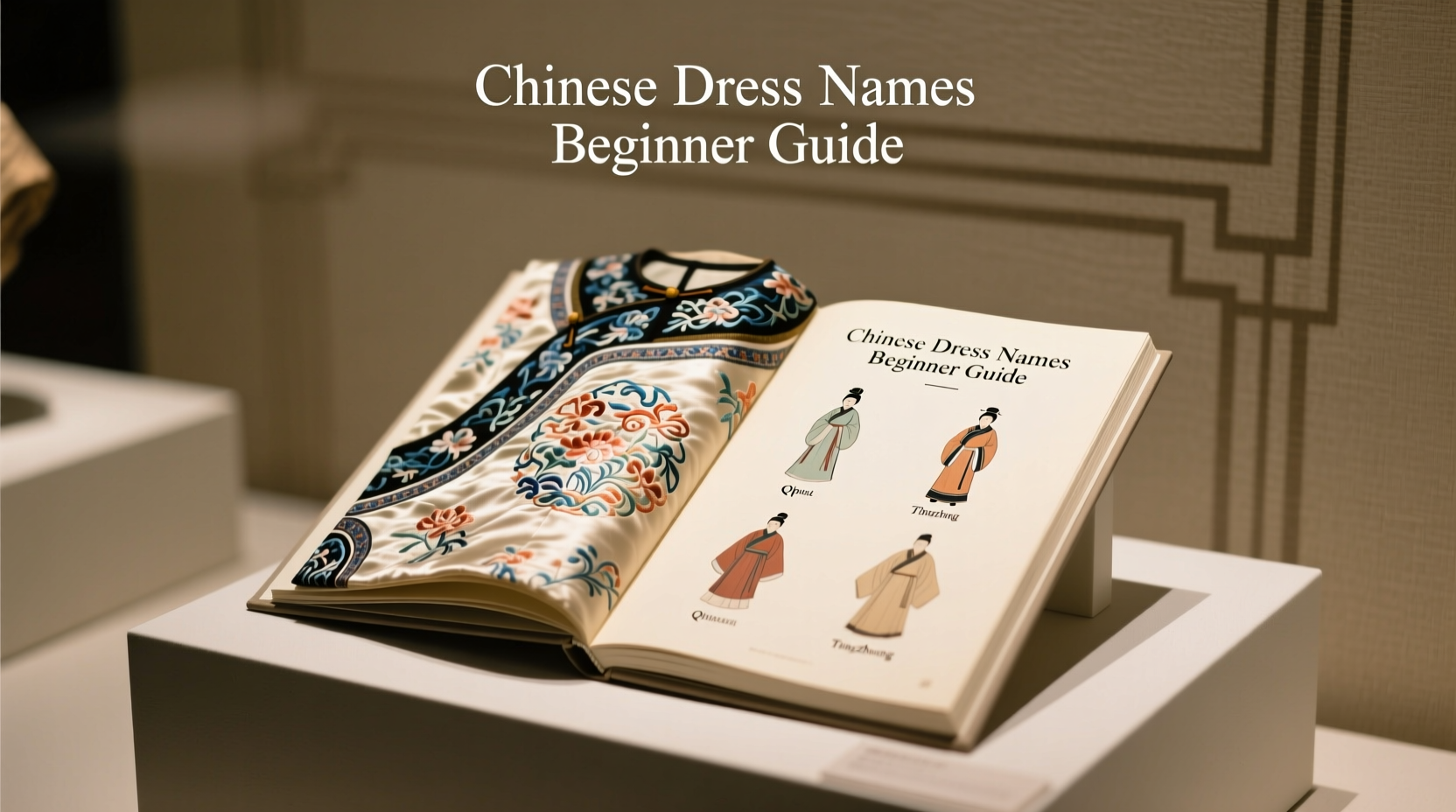
When exploring the rich tapestry of Asian sartorial history, understanding the correct chinese dress names is the first step toward genuine cultural appreciation. China’s clothing traditions span over three millennia, reflecting shifts in dynastic rule, regional climates, and philosophical movements. For beginners, the sheer variety of silhouettes, textiles, and terminology can be overwhelming. Is a cheongsam the same as a qipao? What exactly constitutes hanfu? This comprehensive guide demystifies the core vocabulary of Chinese traditional garments, providing you with the historical context, construction details, and practical knowledge needed to navigate this fascinating subject with respect and accuracy.
The Ancient Foundation: Hanfu (汉服)
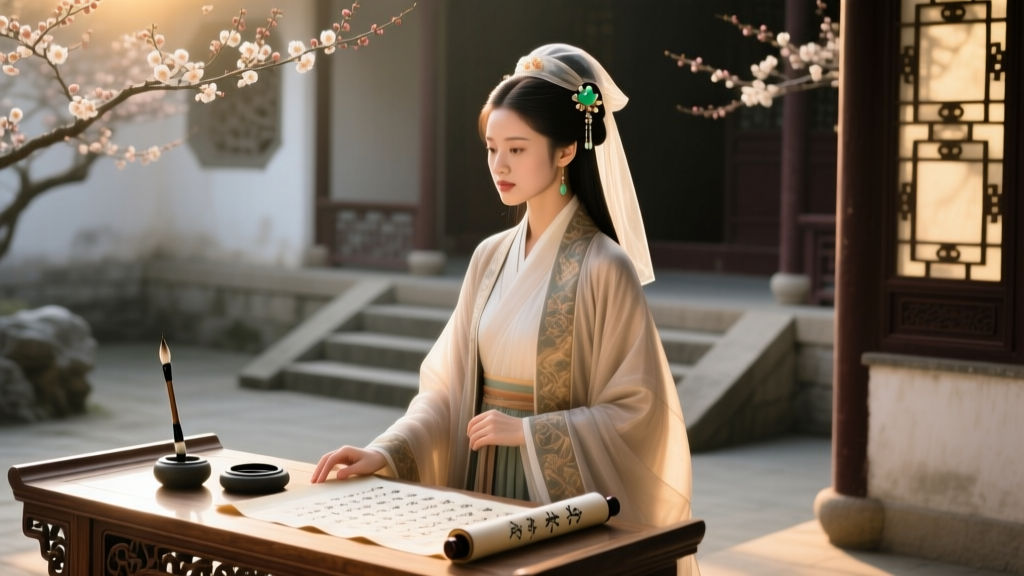
The term Hanfu translates literally to 'Han clothing,' referring to the traditional dress of the Han Chinese people prior to the Qing Dynasty (1644–1912). After centuries of dormancy, Hanfu has experienced a massive cultural revival in the 21st century, championed by younger generations seeking to reconnect with pre-imperial and early imperial aesthetics.
Defining Characteristics and Construction
Authentic Hanfu is defined by several strict structural rules. The most vital is jiaoling youren (交领右衽), meaning a cross-collar that wraps with the left side over the right. Wrapping right-over-left was historically reserved for the deceased or 'barbarian' tribes. Hanfu is typically constructed without darts or buttons, relying instead on wide sashes and ties. The fabric is cut in straight lines to preserve the integrity of the woven cloth, reflecting traditional Daoist and Confucian philosophies of harmony with nature.
Key Hanfu Sub-Styles
- Ruqun (襦裙): The most common historical silhouette, consisting of a short top (ru) and a long, wrap-around skirt (qun). This style was prominent from the Warring States period through the Ming Dynasty.
- Shenyi (深衣): A 'deep robe' where the top and skirt are sewn together into a single, flowing garment. It was heavily favored by scholars and officials during the Han Dynasty for its modest, enveloping drape.
- Mamianqun (马面裙): The iconic 'horse-face skirt' of the Ming Dynasty. It features flat front and back panels with heavily pleated sides, allowing for ease of movement while maintaining a structured, regal appearance.
The Modern Icon: Qipao and Cheongsam (旗袍)
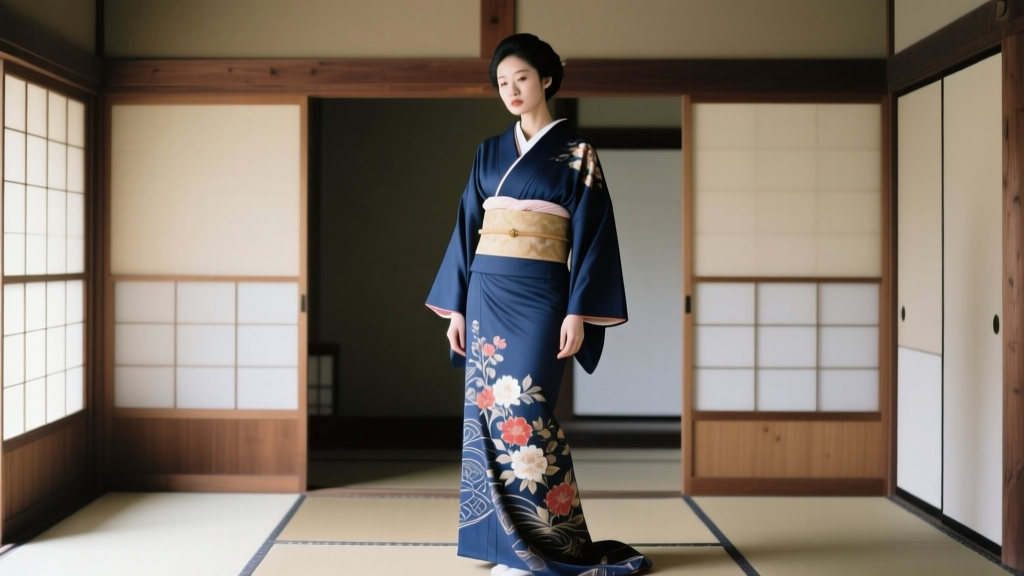
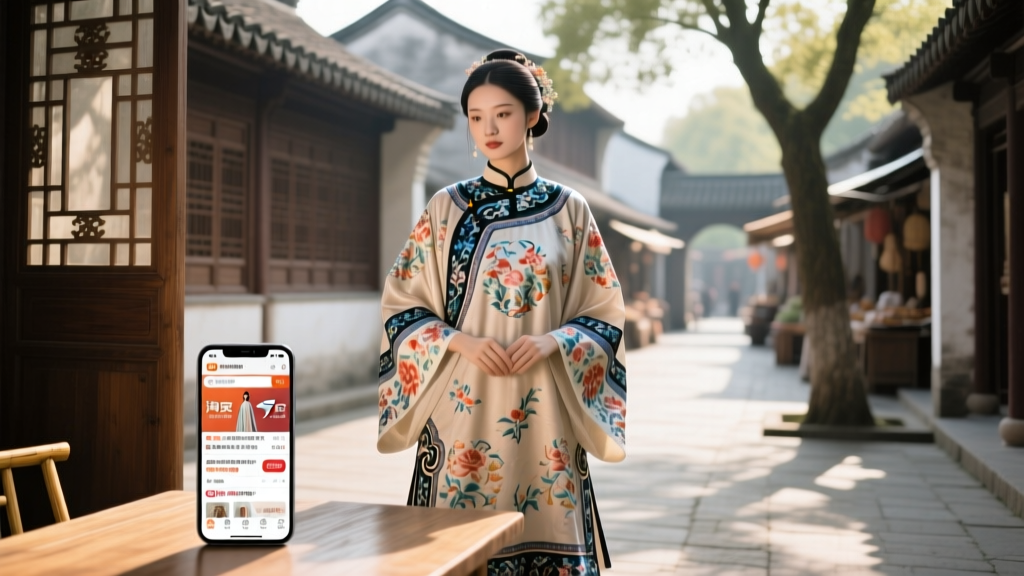
While Hanfu represents ancient roots, the Qipao (known in Cantonese as Cheongsam, meaning 'long garment') is the global ambassador of Chinese fashion. Emerging in 1920s Shanghai, the qipao was a radical sartorial statement. Originally a loose, modest, floor-length garment worn by female students seeking equality with men, it rapidly evolved into the form-fitting, knee-length silhouette recognized today.
Anatomy of the Qipao
According to the Victoria and Albert Museum, the modern qipao represents a brilliant hybridization of Chinese aesthetics and Western tailoring. Key features include:
- Mandarin Collar (Yuanbao Ling): A stiff, high-standing collar that frames the face and elongates the neck.
- Pankou (盘扣): Intricate, hand-knotted frog fasteners made from silk or satin cords. These are not merely functional; they serve as decorative motifs, often shaped like flowers, butterflies, or geometric knots.
- Kaicha (开衩): The side slits that allow for movement. In 1930s Shanghai, the height of the slit became a marker of modernity and daring fashion.
The transition from the loose 1920s qipao to the body-conscious 1930s version was achieved by introducing Western-style bust and waist darts, fundamentally altering the flat, geometric cutting tradition of historical Chinese dress.
Formalwear and Misnomers: Tangzhuang and Bridal Gowns
When researching chinese dress names, beginners often encounter the Tangzhuang (唐装), or 'Tang Suit.' Despite its name, this garment has nothing to do with the Tang Dynasty (618–907 AD). It is actually a modern adaptation of the magua, a Manchu riding jacket from the Qing Dynasty. The Tangzhuang gained global recognition during the 2001 APEC summit in Shanghai, where world leaders wore brightly colored silk versions. It is characterized by its stand-up collar, front frog closures, and slightly flared hem.
Traditional Bridal Mastery: Qungua and Xiuhefu
Chinese bridal wear is a masterclass in textile artistry and symbolic embroidery.
- Qungua (裙褂): A two-piece jacket and skirt ensemble heavily favored in Cantonese and Southern Chinese weddings. The defining feature is the Kua embroidery—a dense, three-dimensional technique using gold and silver bullion thread to depict dragons and phoenixes. A high-quality, hand-embroidered Qungua can take over a year to complete and cost upwards of $10,000 USD.
- Xiuhefu (秀禾服): Characterized by a relaxed, A-line Ming Dynasty-style jacket paired with a heavily pleated skirt. Popularized by a 2001 television drama, it has become a staple for modern Chinese brides, often featuring vibrant red silk adorned with peonies, bats, and pomegranates to symbolize fertility and joy.
Fabric, Motifs, and Construction Matrix
To truly understand these garments, one must look at the materials and motifs that define them. The Metropolitan Museum of Art notes that Chinese silk weaving techniques, such as kesi (silk tapestry) and zhuanghua (brocade), are integral to the structural integrity and visual language of these dresses.
| Garment Name | Primary Historical Fabric | Key Symbolic Motifs | Entry-Level Price (USD) | Bespoke / Artisan Price (USD) |
|---|---|---|---|---|
| Hanfu (Ming Style) | Mulberry Silk, Linen, Ramie | Clouds, Cranes, Plum Blossoms | $60 - $120 | $400 - $1,200 |
| Qipao (Shanghai Style) | Heavy Silk Brocade, Velvet | Orchids, Bamboo, Geometric Art Deco | $90 - $200 | $800 - $3,500+ |
| Tangzhuang | Imperial Yellow/Red Brocade | Coins, Bats (Fu), Longevity Knots | $40 - $80 | $250 - $600 |
| Qungua (Bridal) | Stiff Silk Satin | Dragon & Phoenix (Longfeng) | $300 (Machine) | $5,000 - $20,000+ |
Regional Nuances and Tailoring Traditions
China’s vast geography has birthed distinct regional variations, particularly within qipao tailoring. The Royal Ontario Museum highlights how regional climates and cultural attitudes shaped garment construction.
The Beijing vs. Shanghai Qipao
Beijing Style (Jingpai): Rooted in northern traditions, the Beijing qipao is generally more conservative. It features a wider, straighter cut, heavier fabrics to combat northern winters, and elaborate, multi-layered pankou fasteners. The silhouette honors the traditional Chinese aesthetic of concealing the body's natural curves.
Shanghai Style (Haipai): Born in the cosmopolitan hub of 1930s Shanghai, this style embraced Western influences. It is highly tailored, utilizing darts to accentuate the bust and waist. The fabrics are lighter, often featuring imported lace trims, and the slits are cut higher to accommodate the active, modern lifestyle of the Shanghai socialite.
Cultural Protocols: Wearing with Respect
As global interest in Asian traditional garments grows, so does the responsibility to wear them with cultural sensitivity. Understanding the correct chinese dress names and their contexts is vital to avoiding appropriation.
'Clothing in traditional Chinese culture was never merely about covering the body; it was a visual language denoting social status, moral alignment, and cosmic harmony.' — Textile Historian Valerie Garrett.
Practical Guidelines for Beginners
- Avoid Funerary Colors: While red is the ultimate color of joy, luck, and matrimony, stark white and unadorned black are historically associated with mourning and funerals in Han Chinese culture. If wearing white, ensure it is heavily embroidered with vibrant, auspicious motifs.
- Respect the Collar Crossing: If you purchase or wear a Hanfu robe, always ensure the left lapel crosses over the right. Reversing this is considered highly inauspicious and deeply offensive, as it mimics the dressing of the deceased.
- Support Authentic Artisans: The market is flooded with cheap, synthetic 'costume' versions of these garments. Whenever possible, invest in pieces from recognized artisan cooperatives or specialized boutiques that utilize genuine mulberry silk and traditional loom techniques. This supports the living heritage of Chinese textile workers.
Conclusion
Mastering the vocabulary of chinese dress names—from the ancient, flowing lines of the ruqun to the sleek, modern elegance of the qipao—opens a window into thousands of years of artistry, philosophy, and social evolution. Whether you are a collector, a fashion student, or someone preparing for a cultural celebration, approaching these garments with an understanding of their construction, regional nuances, and historical weight ensures that this magnificent sartorial legacy is preserved and honored for generations to come.