Caring for Chinese Menswear: Hanfu

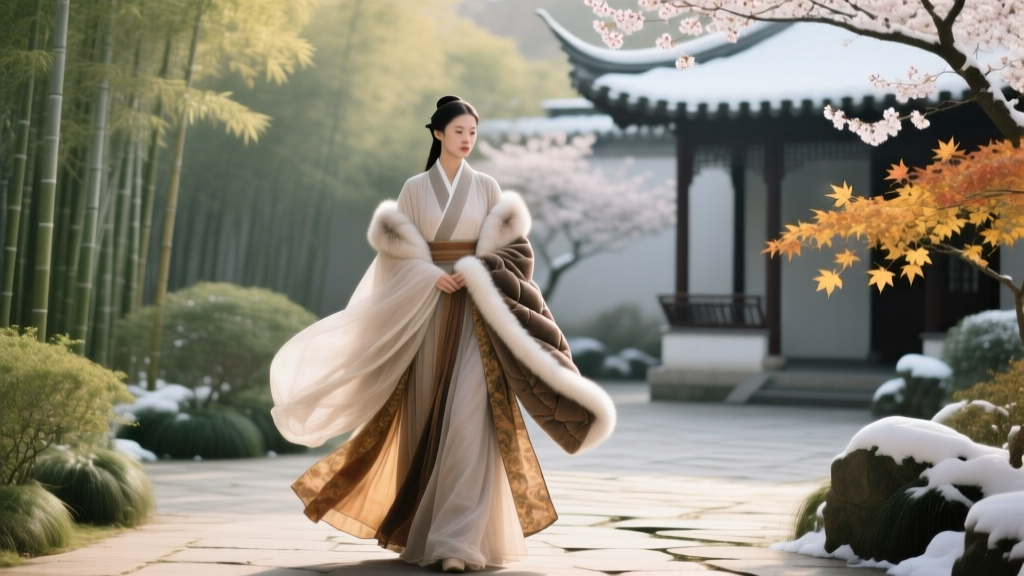
The renaissance of traditional menswear across Asia has brought garments like the Ming dynasty Daopao (道袍), the Republic-era Changshan (长衫), and the modern Tangzhuang (唐装) back into daily and ceremonial rotation. However, when investing in a Chinese dress for men, owners often underestimate the specialized care required to maintain these complex textiles. Unlike Western wool suits or cotton shirting, traditional Chinese garments rely on delicate protein fibers, natural mud-dyeing techniques, and intricate structural pleating that demand highly specific conservation protocols.
Decoding the Textile Composition of Men's Garments
Effective maintenance begins with accurate fiber identification. Men's traditional garments are predominantly constructed from three distinct material categories, each reacting differently to water, heat, and friction:
- Mulberry Silk (Sangcan): The standard for high-end Changshan and Hanfu robes. It is a protein fiber that degrades in alkaline environments and loses tens strength when wet.
- Xiangyunsha (Gambiered Canton Gauze): A premium, highly prized silk coated in tannin-rich mud from the Pearl River Delta. It features a distinctive crackled surface and requires zero-alkaline care.
- Ramie and Hemp (Ma): Used for summer scholar robes and casual Changshan. These cellulose fibers are durable, highly breathable, and prone to severe wrinkling if not dried under tension.
Washing Protocols: Silk, Linen, and Brocade
While dry cleaning is often recommended for heavily embroidered pieces, frequent chemical cleaning degrades silk proteins and strips natural oils. For unlined or lightly lined garments, hand-washing is preferred if executed correctly.
The Delicate Art of Cleaning Xiangyunsha
Xiangyunsha (香云纱) is a masterpiece of intangible cultural heritage. The fabric is dyed with Shuliang (薯莨) yam juice and sealed with iron-rich river mud. According to conservation guidelines from the China National Silk Museum, alkaline detergents will instantly neutralize the tannins, causing the dark, lustrous coating to flake and fade. To clean Xiangyunsha Changshan robes, use only cold water (below 25°C) and a pH-neutral silk wash or diluted baby shampoo. Gently agitate for no more than three minutes. Never wring the fabric; instead, roll it in a clean, dry cotton towel to absorb excess moisture before laying it flat in the shade.
Maintaining Crisp Linen and Ramie Blends
Summer Changshan made from ramie can withstand machine washing on a delicate cycle, but they must be removed while still damp. To maintain the structural integrity of the collar and cuffs, hang the garment on a padded hanger and gently pull the fabric taut along the seams. This 'tension-drying' method minimizes the need for high-heat ironing, which can scorch natural bast fibers.
Structural Maintenance: Pleats, Slits, and Collars
The architecture of a Chinese dress for men is vastly different from Western tailoring. The Ming dynasty Hanfu Daopao features hidden side pleats known as anbai (暗摆). These pleats allow for movement while maintaining a modest, unbroken front silhouette.
- Pressing Anbai Pleats: Never use a heavy iron directly on the side slits. Use a handheld steamer, hovering two inches from the fabric, and use your fingers to gently pinch the pleat edges into place while the silk is warm and damp.
- Collar Stiffness: The standing collar (Mandarin collar) of a Tangzhuang or formal Changshan relies on internal fusing. If the collar begins to droop, avoid spray starches which contain chemicals that attract insects. Instead, use a traditional rice-water rinse during the final wash cycle to deposit natural, breathable starches into the collar band.
The Intricacies of Pankou (Frog Buttons)
Pankou (盘扣) are hand-knotted frog closures that serve as both functional fasteners and decorative motifs. On a high-end Tangzhuang, these knots can cost between $40 and $120 USD to replace by a master artisan if damaged. To maintain them:
- Untangling: Never pull the male 'ball' end of the Pankou through the female 'loop' by force. Gently compress the ball to slide it out, preventing the silk threads from fraying.
- Washing Protection: When hand-washing a jacket, wrap the Pankou knots in a soft mesh bag or loosely tie them with a silk ribbon to prevent them from catching on the delicate brocade weave of the garment body.
- Reshaping: If a knot becomes misshapen after washing, use a blunt needle to gently push the silk cords back into their original geometric alignment while damp.
Storage and Moth Prevention for Heirloom Pieces
Proper archival storage is critical, especially for heavy Zhuanghua brocade jackets and lined winter robes. The Victoria and Albert Museum's Textile Conservation department warns against using wire hangers, which distort the shoulder seams of traditional flat-cut garments.
- Hangers: Use wide, contoured wooden hangers wrapped in unbleached cotton muslin to support the weight of winter Tangzhuang without stretching the shoulder drops.
- Pest Control: Never use synthetic mothballs (naphthalene), as the chemical gases will permanently yellow silk proteins and degrade metallic gold threads. Instead, use natural camphor wood blocks or dried wormwood sachets placed in the corners of the wardrobe.
- Folding: For long-term storage, fold the garment with acid-free tissue paper stuffed into the sleeves and collar to prevent hard creases from forming along the warp threads.
Troubleshooting and Restoration Matrix
Even with meticulous care, traditional garments may require intervention. Below is a troubleshooting guide for common issues encountered with men's Chinese dress, along with expected restoration costs.
| Issue | Primary Cause | Expert Solution | Estimated Cost (USD) |
|---|---|---|---|
| Yellowing under arms | Sweat acidity reacting with silk proteins and aluminum-based antiperspirants. | Professional ozone treatment and localized enzymatic cleaning by a textile conservator. | $80 - $150 |
| Flaking Xiangyunsha coating | Exposure to alkaline soaps or excessive friction from seatbelts/bags. | Cannot be reversed. Preventative conditioning with specialized silk amino acids is required. | $40 - $60 (Conditioning) |
| Loose metallic brocade threads | Snagging on jewelry or improper folding. | Do not pull. Use a fine needle to pull the snag to the interior lining. Secure with a micro-drop of silk glue. | $25 - $50 (Artisan repair) |
| Pankou knot unraveling | Friction and improper unfastening. | Send to a specialized Pankou artisan for re-wrapping and core tightening. | $20 - $45 per knot |
Sourcing Professional Conservation Services
For antique Hanfu pieces, heavily embroidered ceremonial Changshan, or garments featuring gold-leaf couching, home maintenance is insufficient. Institutions like the Metropolitan Museum of Art's Textile Conservation department emphasize that historical garments require stabilization rather than aggressive cleaning. When seeking a local dry cleaner, verify that they use hydrocarbon solvents rather than perc (perchloroethylene), which can strip the natural sericin from raw silk and cause irreversible brittleness in vintage fibers. By understanding the unique material science and cultural architecture of these garments, collectors and wearers can ensure their traditional menswear remains a living, breathing part of Asian sartorial heritage for generations to come.