What Is the Chinese Dress Called? 2026 Buying Guide
The Sartorial Monolith: Decoding the Terminology
When global shoppers begin their sartorial journey by asking what the traditional Chinese dress called the qipao or cheongsam actually encompasses, they are often met with a complex web of history, regional dialects, and evolving silhouettes. The term "Chinese dress" is a Western monolith that flattens over 3,000 years of textile innovation. To shop intelligently and respectfully in 2026, one must first decode the terminology and understand the distinct garments that define Chinese sartorial heritage.
Qipao vs. Cheongsam: The Tailored Silhouette
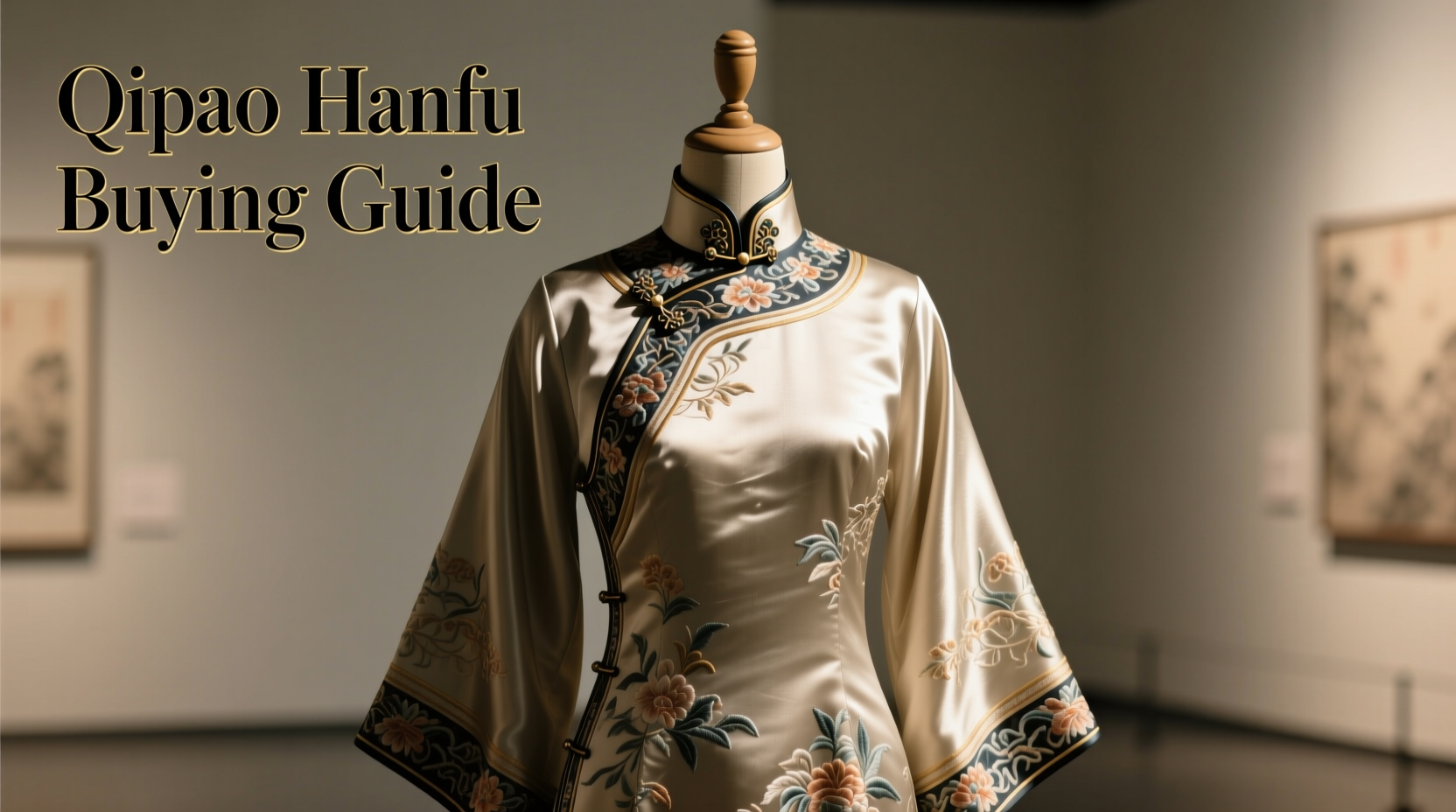
The iconic, form-fitting garment with a high collar and side slits is most accurately referred to as the qipao (Mandarin) or cheongsam (Cantonese). Both words describe the exact same garment. The qipao evolved in 1920s Shanghai, blending traditional Manchu banner robes with Western tailoring techniques like darts and set-in sleeves. According to the Metropolitan Museum of Art's Heilbrunn Timeline, the modern qipao represents a fascinating intersection of East Asian modesty and Western structural tailoring, becoming a symbol of modern Chinese femininity.
Hanfu: The Pre-Qing Han Tradition
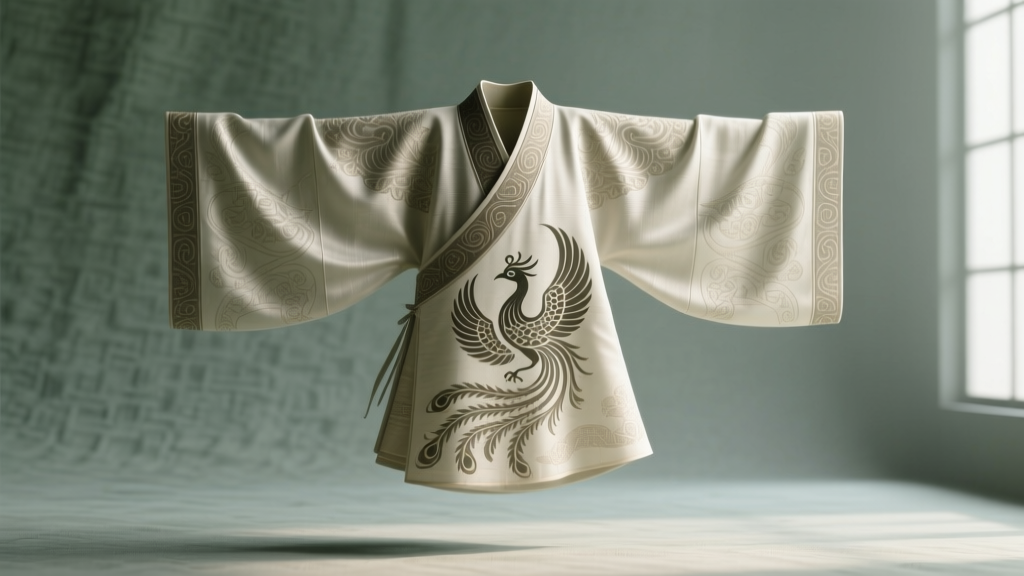
If you are searching for the ancient Chinese dress called Hanfu (Han clothing), you are looking at a vastly different structural paradigm. Hanfu refers to the historical dress of the Han ethnic group, spanning from the Huangdi era to the late Ming Dynasty (pre-1644). Characterized by flowing sleeves, cross-collars, and sash ties rather than buttons, Hanfu has experienced a massive grassroots revival among Gen Z and Millennial buyers. It is not a single dress, but a comprehensive system including the ruqun (top and skirt), shenyi (deep robe), and mamianqun (horse-face skirt).
Tangzhuang: The Modern Diplomatic Classic
Often mistaken for ancient attire, the Tangzhuang (Tang Suit) is actually a modern hybrid derived from the Qing Dynasty Manchu jacket (magua), updated with Western shoulder pads and lapels. It is predominantly worn by men during Lunar New Year or diplomatic summits, characterized by its stiff brocade fabric and central frog fasteners.
Structural Anatomy and Authenticity Markers
When evaluating a garment for purchase, mass-produced "costume" versions often fail on structural integrity. Authentic pieces, whether vintage or contemporary bespoke, adhere to specific construction protocols.
The Pankou and Liling (Qipao Construction)
The soul of the qipao lies in its pankou (frog fasteners). In high-end tailoring, these are never glued or machine-stamped; they are meticulously hand-rolled from silk strips and filled with cotton or yarn to maintain their three-dimensional shape. The liling (Mandarin standing collar) should be stiffened with traditional paste or modern buckram, sitting flush against the jawline without gaping. Furthermore, traditional Shanghai tailoring (Haipai) relies on flat-pattern cutting and strategic side-slits (kaicha) for mobility, rather than aggressive Western bust darts, preserving the continuous flow of the silk brocade.
The Jiaoling Youren Rule (Hanfu Construction)
For Hanfu buyers, the most critical authenticity marker is the jiaoling youren (cross-collar, right lapel over left). The left side of the garment must always wrap over the right, securing at the right hip. In traditional Chinese cosmology, the left represents life and the yang principle, while wrapping right-over-left (zuoren) is strictly reserved for dressing the deceased. Purchasing a Hanfu with the wrong lapel orientation is a major cultural faux pas and an immediate indicator of a mass-produced, culturally ignorant manufacturer.
Intangible Heritage: Sourcing Authentic Fabrics
The China National Silk Museum emphasizes that the value of traditional Chinese garments is inextricably linked to their textile composition. When shopping, look for these heritage fabrics:
- Xiangyunsha (Gambiered Canton Gauze): An intangible cultural heritage fabric from Guangdong. Silk is dyed with the juice of the Dioscorea cirrhosa tuber and coated with iron-rich river mud, resulting in a dark, crackled, water-resistant textile that sounds like paper when walked in. It is highly prized for luxury qipaos.
- Song Brocade (Songjin): Originating from Suzhou, this features intricate, raised geometric and floral patterns woven with multiple wefts. It is heavy, structured, and ideal for winter qipaos or formal Tangzhuang jackets.
- Mamianqun Woven Gold: Authentic Ming-style horse-face skirts utilize zhuanghua (woven gold) techniques, where metallic threads are integrated directly into the loom rather than embroidered on top, ensuring the skirt drapes heavily and catches the light dynamically.
2026 Buying Guide: Where to Shop
Navigating the market requires knowing where to look based on your budget and desired level of authenticity. The Victoria and Albert Museum's Asian collections frequently highlight the importance of provenance and artisan craftsmanship in garment preservation, a principle that should guide your purchasing decisions.
Bespoke Tailors and Heritage Brands
For a true Haipai qipao, Shanghai remains the epicenter. The South Bund Fabric Market offers made-to-measure services, but buyers must bring reference photos and be prepared for multiple fittings. For guaranteed heritage quality without the haggling, legacy brands like Shanghai Tang or contemporary luxury houses like Blancore offer impeccable ready-to-wear and bespoke options. In Hong Kong, Linva Tailor remains a legendary institution for traditional 1950s-style cheongsams, favored by those seeking the authentic, un-darted silhouette.
Navigating Online Artisan Marketplaces
The Hanfu market is predominantly digital. While platforms like AliExpress and Amazon are flooded with inaccurate "costume" wear, serious buyers should utilize specialized Taobao storefronts or dedicated global exporters. Brands like Shisan Yu, Zhong Ling, and Ming Hua Tang (the gold standard for Ming-dynasty reproduction) offer museum-grade accuracy. For international buyers without access to Chinese e-commerce platforms, curated Etsy shops run by independent Hanfu makers or specialized retailers like Newhanfu provide reliable access to authentic ruqun and mamianqun.
2026 Investment and Pricing Matrix
Understanding the price-to-value ratio is essential for avoiding overpriced tourist traps or underpriced synthetic counterfeits. Below is the 2026 market matrix for authentic garments:
| Garment Tier | Garment Type | Estimated Price (USD) | Construction & Fabric Expectations |
|---|---|---|---|
| Entry / Ready-to-Wear | Modern Hanfu (Ruqun) | $60 - $150 | Polyester-blend chiffon, machine embroidery, accurate lapel orientation. |
| Mid-Tier / Artisan | Custom Qipao / Mamianqun | $300 - $800 | 100% Mulberry silk, hand-rolled pankou, woven jacquard patterns. |
| Heritage / Bespoke | Haipai Qipao / Xiangyunsha | $1,200 - $3,500+ | Intangible heritage fabrics, flat-pattern cutting, multiple in-person fittings. |
| Museum Reproduction | Ming Dynasty Shenyi | $800 - $2,000 | Historical loom replication, real gold thread, academic pattern drafting. |
Cultural Protocols and Respectful Styling
Wearing traditional Chinese garments in 2026 is an act of cultural participation, not costuming. To wear these garments respectfully, avoid mixing sacred or highly formal motifs (like the five-clawed dragon or specific funeral colors) into casual streetwear. When styling a qipao, opt for minimalist jewelry to allow the pankou and fabric texture to remain the focal point; heavy Western corsetry underneath will destroy the garment's intended flat-cut drape. For Hanfu, ensure your hair is styled neatly, as the garments are historically designed to complement traditional updos and hairpins (zan).
Ultimately, knowing what the Chinese dress is called is only the first step. Whether you are investing in a bespoke Shanghai qipao or a meticulously woven Ming-style mamianqun, prioritizing structural authenticity, heritage textiles, and cultural protocols ensures your garment is not just a piece of clothing, but a wearable archive of Asian civilization.