Chinese Dress: Fabrics, Hanfu & Qipao Craft

Decoding the Query: What the Chinese Dress Is Called
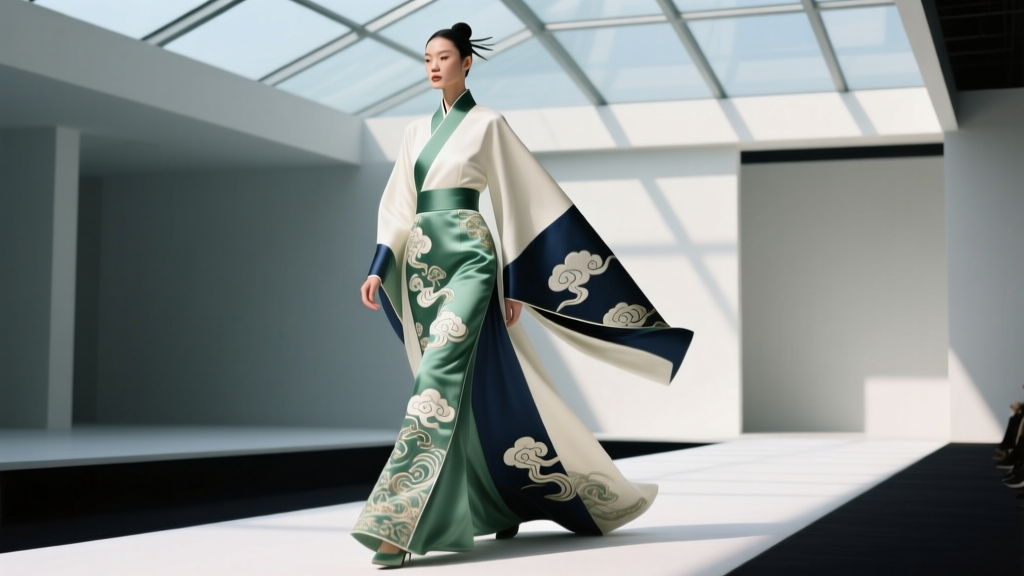
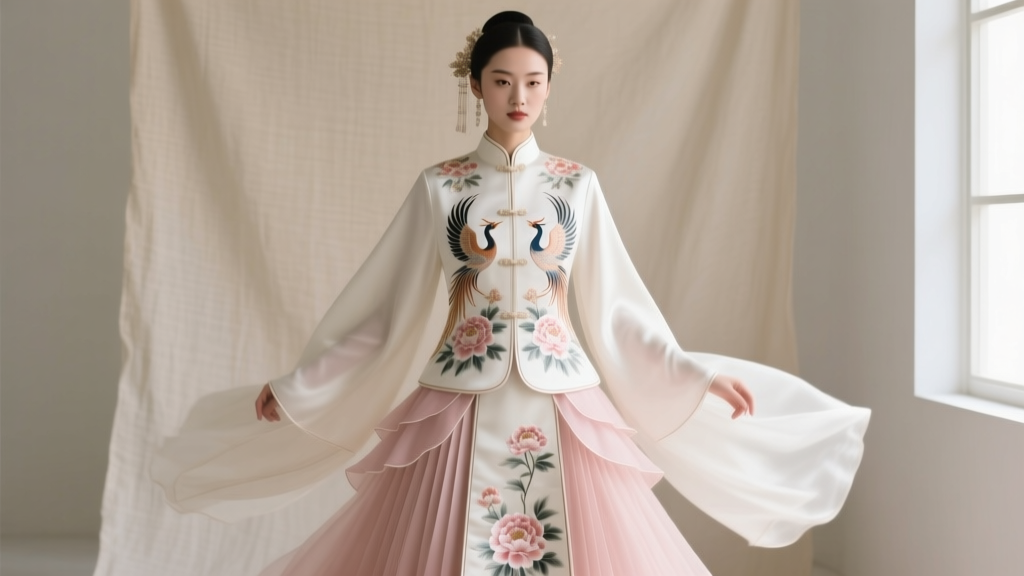
When international collectors, textile enthusiasts, and fashion historians ask what the traditional Chinese dress is called, the answer is never a single word. The Western lexicon often lazily defaults to "cheongsam" or "mandarin gown," but this reduction erases thousands of years of sartorial evolution. To truly understand Chinese sartorial heritage, one must distinguish between the Hanfu (汉服), the ancestral clothing of the Han people spanning from the Shang dynasty to the Ming dynasty; the Qipao (旗袍), the modernized, tailored garment born in 1920s Shanghai; and the Mamianqun (马面裙), the architectural horse-face skirt that has seen a massive contemporary renaissance.
However, identifying the name is only the first step. The true soul of these garments lies in their fabrication. This deep dive explores the alchemy of Chinese textiles, the mathematics of traditional flat-cutting, and the meticulous handcraft that elevates a simple garment into a wearable archive of Asian heritage.
The Alchemy of the Loom: Rare Silk Weaves and Regional Textiles
The foundation of any authentic Chinese dress is its textile. While mass-market garments rely on synthetic blends and power-loomed polyester, heritage craftsmanship relies on highly specialized, regionally protected sericulture and weaving techniques.
Xiangyunsha: The Mud-Dyed Gambiered Canton Gauze
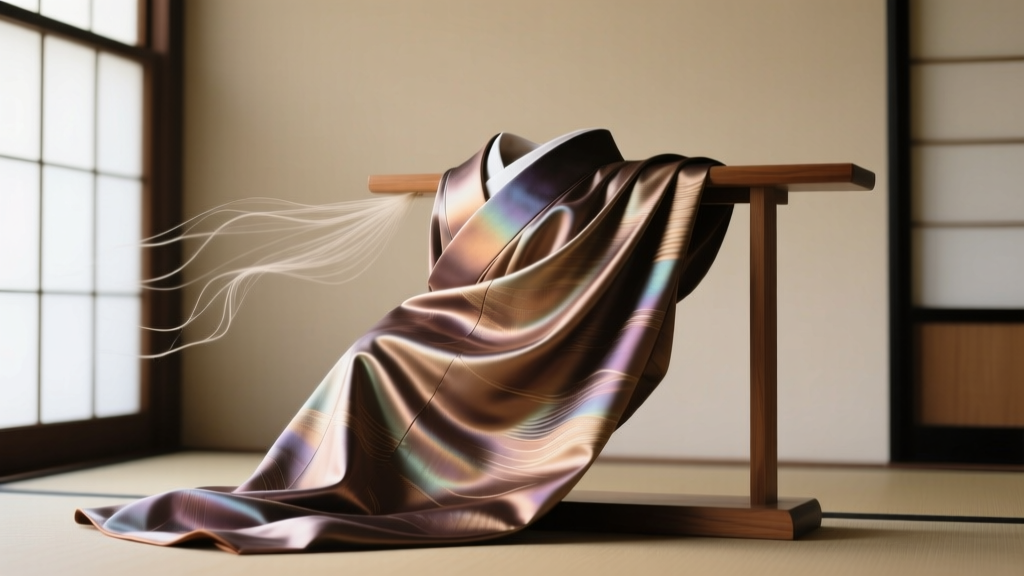
Originating in the Pearl River Delta of Guangdong province, Xiangyunsha (香云纱) is widely considered the pinnacle of luxury Chinese silk. Its creation is an exercise in chemical alchemy and environmental reliance. The raw silk gauze is repeatedly dipped in the tannin-rich juice of the Shuliang (Dioscorea cirrhosa) root, then sun-dried. Finally, it is coated with iron-rich river mud harvested at dawn. The tannins react with the iron to create a deep, lustrous black on one side, while the reverse remains a rich, earthy brown. According to the UNESCO Intangible Cultural Heritage registry, this process requires over 30 manual steps and relies entirely on the specific humidity and sunlight of the Lingnan region. A single bolt of authentic Xiangyunsha can cost upwards of $1,500 USD, prized for its cooling properties and the distinctive, crisp rustling sound it makes when worn.
Song Jin and Yun Jin: The Structural Brocades
While Xiangyunsha is prized for its drape, formal Hanfu and ceremonial Qipaos often utilize Song Jin (Song Brocade) or Yun Jin (Cloud Brocade). Woven on complex jacquard-style drawlooms, these textiles feature structural patterning where the warp and weft threads interlock to create raised, metallic-thread motifs. The China Silk Museum in Hangzhou notes that authentic Song Jin requires the weaver to calculate thread tension across multiple harnesses, resulting in a fabric that is remarkably durable, water-resistant, and capable of holding stiff, architectural pleats without the need for synthetic interlining.
Structural Engineering: Flat-Cutting and the Pankou Knot
Western tailoring is fundamentally sculptural; it relies on darts, curved seams, and bias cutting to force a two-dimensional fabric to conform to a three-dimensional body. Traditional Chinese tailoring, known as Pingjian (平剪 or flat-cutting), operates on an entirely different philosophy.
The Philosophy of Pingjian (Flat-Cutting)
In flat-cutting, the fabric is folded along the natural grain lines of the warp and weft. The garment is cut in a cross-shape (the character for cloth, 布, visually represents this intersection). Sleeves are cut in one continuous piece with the bodice, lacking the shoulder seams found in Western suits. This technique respects the integrity of the silk, avoiding the severing of delicate threads. The shaping of the garment does not come from the cut, but from the drape, the weight of the silk, and the way the wearer ties the sashes. This method ensures that when the garment is untied and laid flat, it returns to a perfect, symmetrical two-dimensional plane, symbolizing harmony and order.
The Mathematics of the Pankou (Frog Fastener)
The Pankou (盘扣) is the iconic knotted button of the Qipao. Far from being a mere decorative afterthought, a master-crafted Pankou is a feat of micro-engineering. Artisans cut silk fabric on the bias, wrap it tightly around a core of oxidized copper wire, and use specialized pliers to bend the silk-wrapped wire into intricate motifs like plum blossoms, swallows, or the endless knot. The copper core allows the knot to maintain its structural rigidity against the tension of the Qipao’s high collar, while the silk exterior provides a soft, non-abrasive surface against the skin. Creating a single, complex floral Pankou can take an artisan up to four hours of continuous handwork.
Tailoring Schools: Haipai vs. Jingpai
When discussing what the Chinese dress is called in a modern context, one must also understand the regional tailoring schools that define the Qipao’s silhouette.
- Haipai (Shanghai School): Emerging in the 1920s and 30s, Haipai tailoring integrated Western darting and set-in sleeves. The silhouette is form-fitting, featuring high side slits, suppressed waists, and a curved hemline. It represents the cosmopolitan modernity of Republican-era Shanghai.
- Jingpai (Beijing School): Rooted in the imperial traditions of the capital, Jingpai Qipaos are cut straighter and looser, often utilizing the traditional flat-cutting method with dropped shoulders and a wider, A-line silhouette. They prioritize the display of heavy, elaborate brocades and intricate embroidery over the accentuation of the wearer’s figure.
The Mamianqun: Calculating the Knife Pleats
No discussion of Chinese garment craftsmanship is complete without the Mamianqun (horse-face skirt). Composed of two overlapping rectangular panels of fabric, the skirt features a flat, unpleated central panel (the "horse face") flanked by meticulously calculated knife pleats.
The craftsmanship challenge lies in pattern alignment. If the silk is woven with a continuous horizontal motif (like a river or a dragon’s scales), the artisan must calculate the exact depth of each pleat so that when the wearer walks and the pleats fan out, the hidden motifs align perfectly with the outer motifs, creating a sudden, breathtaking flash of a complete image. This requires mathematical precision in both the weaving and the pleating phases, often utilizing steam-setting techniques on silk to ensure the pleats never drop, even after decades of wear.
Artisan Pricing and Provenance Matrix
Understanding the market for authentic Chinese garments requires looking beyond fast-fashion imitations. Below is a guide to the pricing and craftsmanship markers of heritage garments as of current market valuations.
| Garment Type | Textile & Technique | Craftsmanship Markers | Estimated Price (USD) | Labor Hours |
|---|---|---|---|---|
| Mass-Market Qipao | Polyester Brocade, Machine Print | Overlocked seams, plastic buttons, fused interfacing | $40 - $120 | 1 - 2 |
| Artisan Haipai Qipao | Hangzhou Mulberry Silk, Hand-rolled hems | Hand-stitched Pankou, French seams, custom darting | $600 - $1,500 | 40 - 60 |
| Heritage Hanfu (Ming Era) | Xiangyunsha Gauze, Gold Couching | Flat-cut construction, hand-woven trims, natural dyeing | $1,800 - $3,500 | 80 - 120 |
| Museum-Grade Mamianqun | Authentic Song Jin, Silk Floss Lining | Pattern-matched pleats, hand-felled waistbands, no topstitching | $2,500 - $5,000+ | 100+ |
Preserving the Thread: Institutional Archives
The survival of these ancient techniques relies heavily on institutional preservation and the dedication of living masters. Researchers and buyers seeking verified provenance should consult the archives of The Metropolitan Museum of Art’s Costume Institute, which houses extensive collections of 1930s Shanghai Qipaos that document the transition from traditional flat-cutting to Western-influenced tailoring. Furthermore, academic institutions like the Donghua University School of Fashion and Art in Shanghai continue to map the chemical properties of traditional dyes, ensuring that the knowledge of what the Chinese dress is called is matched by the knowledge of how it is fundamentally built.
"To wear a traditionally tailored garment is to wear a landscape. The silk remembers the river mud, the loom remembers the weaver’s breath, and the flat-cut fabric respects the geometry of the earth." — Textile conservation principles of the Hangzhou Silk Guild.
Ultimately, whether you are referring to the sweeping sleeves of a Hanfu, the structured elegance of a Qipao, or the kinetic pleats of a Mamianqun, knowing what the Chinese dress is called is merely the entry point. The true appreciation lies in feeling the weight of the Song brocade, tracing the copper core of a Pankou knot, and recognizing the generations of artisanal mastery woven into every single thread.