Hanfu vs Qipao vs Tang Suit Compared

The Tapestry of Chinese Clothing Style: Beyond the Monolith
When enthusiasts and historians discuss a traditional chinese clothing style, they are rarely referring to a single, static garment. Instead, they are referencing a vast, evolving tapestry of sartorial traditions shaped by dynastic shifts, ethnic integration, and global trade. From the flowing, unstructured elegance of ancient Han silks to the tailored, cosmopolitan silhouettes of 1930s Shanghai, understanding these varieties requires a deep dive into their unique construction, cultural protocols, and regional fabrics.
This comprehensive guide compares the three most globally recognized pillars of Chinese dress: the ancient Hanfu, the Republican-era Qipao (Cheongsam), and the festive Tangzhuang (Tang Suit). Whether you are a collector, a cultural historian, or someone looking to wear these garments with respect and accuracy, this comparison will illuminate the distinct DNA of each style.
"In traditional Chinese philosophy, clothing was never merely functional; it was a cosmic map. The upper garment represented Heaven (Yang), and the lower skirt represented Earth (Yin). To wear them correctly was to maintain harmony in the universe."
— Curatorial Archives, The Metropolitan Museum of Art
Hanfu: The Indigenous Foundation (c. 1600 BCE – 1644 CE)
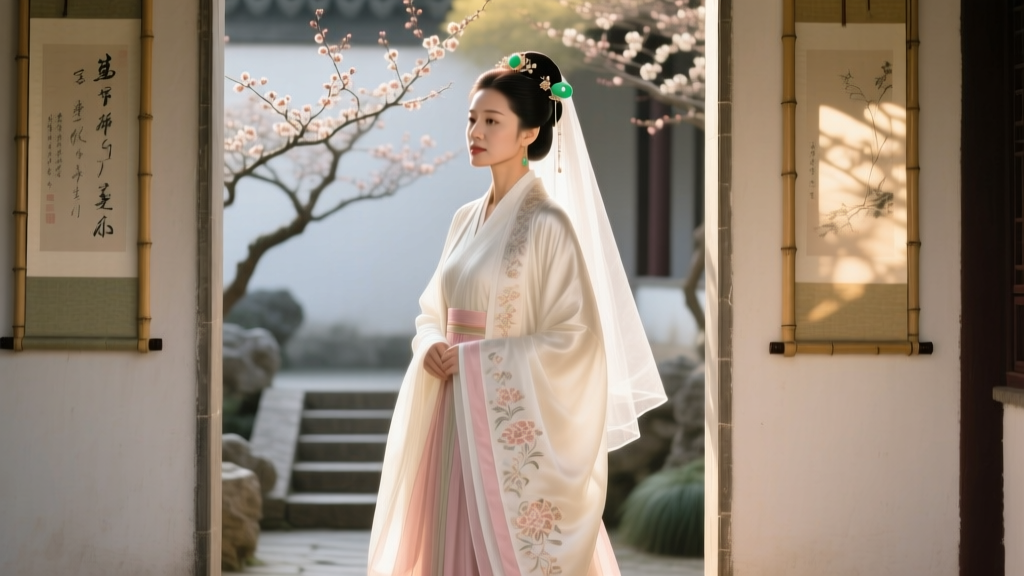
Hanfu (汉服) translates literally to "Han clothing" and encompasses the historical dress of the Han Chinese people spanning over three millennia. Unlike Western tailoring, which cuts fabric to hug the body's curves, traditional Hanfu relies on flat-pattern cutting, utilizing the natural drape of the fabric to create volume and movement.
Key Construction and Varieties
- Jiaoling Youren (Intersecting Collar, Right Lapel): The most defining feature of Hanfu. The left side of the garment crosses over the right and ties at the waist. In traditional Confucian culture, crossing right-over-left was strictly reserved for the deceased or "barbarian" tribes, making the left-over-right lapel a vital marker of civilization and life.
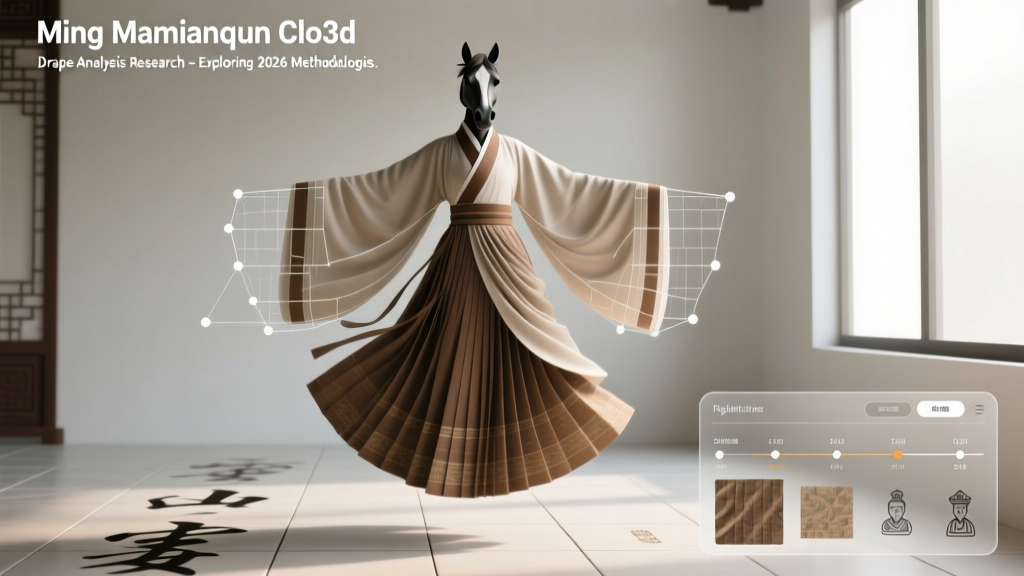
- Ruqun (Top and Skirt): A staple for women, consisting of a short upper garment (ru) tucked into a high-waisted, pleated skirt (qun). The Ming Dynasty variation, the mamianqun (horse-face skirt), features flat front and back panels with heavily pleated sides, allowing for ease of movement while maintaining a structured silhouette.
- Shenyi (Deep Robe): A full-body robe that conceals the body's shape entirely, emphasizing modesty and scholarly restraint. It was heavily favored by officials and literati during the Han and Song dynasties.
Fabrics and Price Ranges
Authentic Hanfu utilizes natural fibers: mulberry silk, ramie, and linen. A highly prized fabric is xiangyunsha (mud-silk), a Cantonese textile dyed with yam juice and river mud, resulting in a rustling, water-resistant fabric that costs upwards of $150 per yard. Today, entry-level Hanfu sets made from synthetic blends can be purchased for $40–$80, while artisan-crafted, historically accurate silk sets from revival brands like Shisanyu or Minghuatang range from $250 to over $1,000.
Qipao / Cheongsam: The Cosmopolitan Silhouette (1920s – Present)
While Hanfu represents ancient indigenous traditions, the Qipao (旗袍), also known as the Cheongsam in Cantonese, represents China's turbulent but glamorous entry into modernity. Originating from the loose, straight-cut changpao worn by Manchu women during the Qing Dynasty (1644–1911), the Qipao was radically transformed in the 1920s and 30s in Shanghai.
The Tailoring Revolution
The modern Qipao is a masterclass in East-West hybridization. Shanghai tailors introduced Western darting, set-in sleeves, and gussets to the traditional Manchu robe. The result was a garment that celebrated the natural contours of the female form—a radical departure from the modesty-driven flat cuts of previous dynasties.
- Pankou (Frog Fasteners): Intricate, hand-knotted silk buttons that serve both a functional and highly decorative purpose. The complexity of the pankou (ranging from simple loops to elaborate floral or butterfly knots) often dictates the formality and price of the dress.
- Yuanbao Ling (High Collar): A stiff, mandarin-style collar that frames the face and enforces an upright, elegant posture.
- Kaiqi (Slits): Side slits that were originally introduced for ease of movement and horseback riding, but in the 1930s Shanghai era, they became a symbol of modern femininity and subtle allure.
According to textile archives at the Victoria and Albert Museum, the 1930s Qipao frequently utilized imported Art Deco geometric prints and velvet, reflecting Shanghai's status as a global trade hub. Today, a bespoke, hand-tailored Qipao made from songjin (Song brocade) or heavy silk crepe will cost between $600 and $3,000, requiring multiple fittings to achieve the signature skin-tailored fit.
Tangzhuang: The Diaspora and Festive Standard (Late Qing – Modern)
Despite its name, the "Tang Suit" (Tangzhuang 唐装) has no direct connection to the Tang Dynasty (618–907 CE). The term originated in overseas Chinatowns, where "Tang" was used as a colloquialism for China (derived from the Cantonese "Tong Yan" for Chinese people). The garment itself is a modernized derivative of the Qing Dynasty magua (horse jacket) and the Republican-era duanhang.
Construction and the APEC Summit Effect
The Tangzhuang as we recognize it today exploded in popularity following the 2001 APEC Summit in Shanghai, where world leaders were photographed wearing matching, brightly colored silk jackets. Its construction is distinct from both Hanfu and Qipao:
- Stand Collar and Center Fastening: Unlike the overlapping lapel of Hanfu, the Tangzhuang features a symmetrical center-front closure secured by pankou knots.
- Western Shoulders, Eastern Motifs: Modern Tangzhuang often incorporates Western shoulder pads and set-in sleeves for a boxier, more structured fit, while utilizing traditional Chinese auspicious motifs like dragons, peonies, and the shou (longevity) character woven into the brocade.
It remains the standard chinese clothing style for Lunar New Year celebrations, weddings (particularly for the groom's family), and diaspora cultural events. Mass-produced polyester versions are widely available for $30–$60, while authentic silk brocade jackets from heritage tailors cost $150–$400.
Comparative Analysis: Fit, Fabric, and Function
To summarize the distinct characteristics of these three pillars of Chinese dress, refer to the comparative matrix below:
| Garment | Era of Origin | Silhouette & Fit | Fastening Method | Primary Modern Occasion | Price Range (USD) |
|---|---|---|---|---|---|
| Hanfu | Ancient (c. 1600 BCE) | Voluminous, draped, flat-cut | Silk sashes, ties (no buttons) | Tea ceremonies, Hanfu movement festivals, photography | $80 – $1,000+ |
| Qipao | Republican (1920s) | Form-fitting, tailored, darted | Pankou (frog knots), hidden zippers | Weddings, galas, formal evening wear | $150 – $3,000+ |
| Tangzhuang | Qing/Modern (19th C.) | Boxy, structured, jacket-style | Center-front Pankou knots | Lunar New Year, political summits, casual festive | $40 – $400 |
Cultural Protocols and Buying Guide
When adopting any chinese clothing style, cultural appreciation must supersede costume-like caricature. Understanding the context of the garment is paramount.
Sourcing Authentic Garments
For buyers seeking authenticity, avoid mass-market "costume" shops that conflate the styles (e.g., selling a Qipao with a left-over-right lapel, a major cultural faux pas). Instead, seek out specialized artisans:
- For Hanfu: Look for brands that publish their historical reference boards, such as Minghuatang or Zhongling. Verify that the mamianqun pleats are heat-set and that the collar geometry forms a proper 'y' shape.
- For Qipao: True Qipao tailoring is a dying art. Institutions and master tailors recognized by the Smithsonian Institution and Asian-American heritage archives emphasize the importance of the "water-drop" shoulder seam and hand-stitched hems. Expect to pay for bespoke consultations.
- For Tangzhuang: Focus on the fabric weight. Authentic zhijin (brocade) should feel heavy and substantial, with a matte finish rather than the high-gloss shine of cheap polyester.
Styling for the Contemporary Wardrobe
The modern Hanfu movement (Hanfu Yundong) has brilliantly integrated ancient garments into daily streetwear. Pairing a Ming-dynasty ruqun top with modern denim or a tailored blazer is a popular styling technique in cities like Chengdu and Xi'an. Similarly, the Qipao has been deconstructed by contemporary designers who use linen and cotton for breathable, everyday shifts, stripping away the heavy brocade to focus purely on the elegant pankou and collar lines.
Ultimately, the richness of Chinese clothing style lies in its diversity. Whether you are drawn to the philosophical draping of Hanfu, the cosmopolitan tailoring of the Qipao, or the festive warmth of the Tangzhuang, each garment offers a tangible connection to centuries of artistry, trade, and cultural resilience.