Cheongsam Skirt Guide: Regional Cuts & Styling Variations
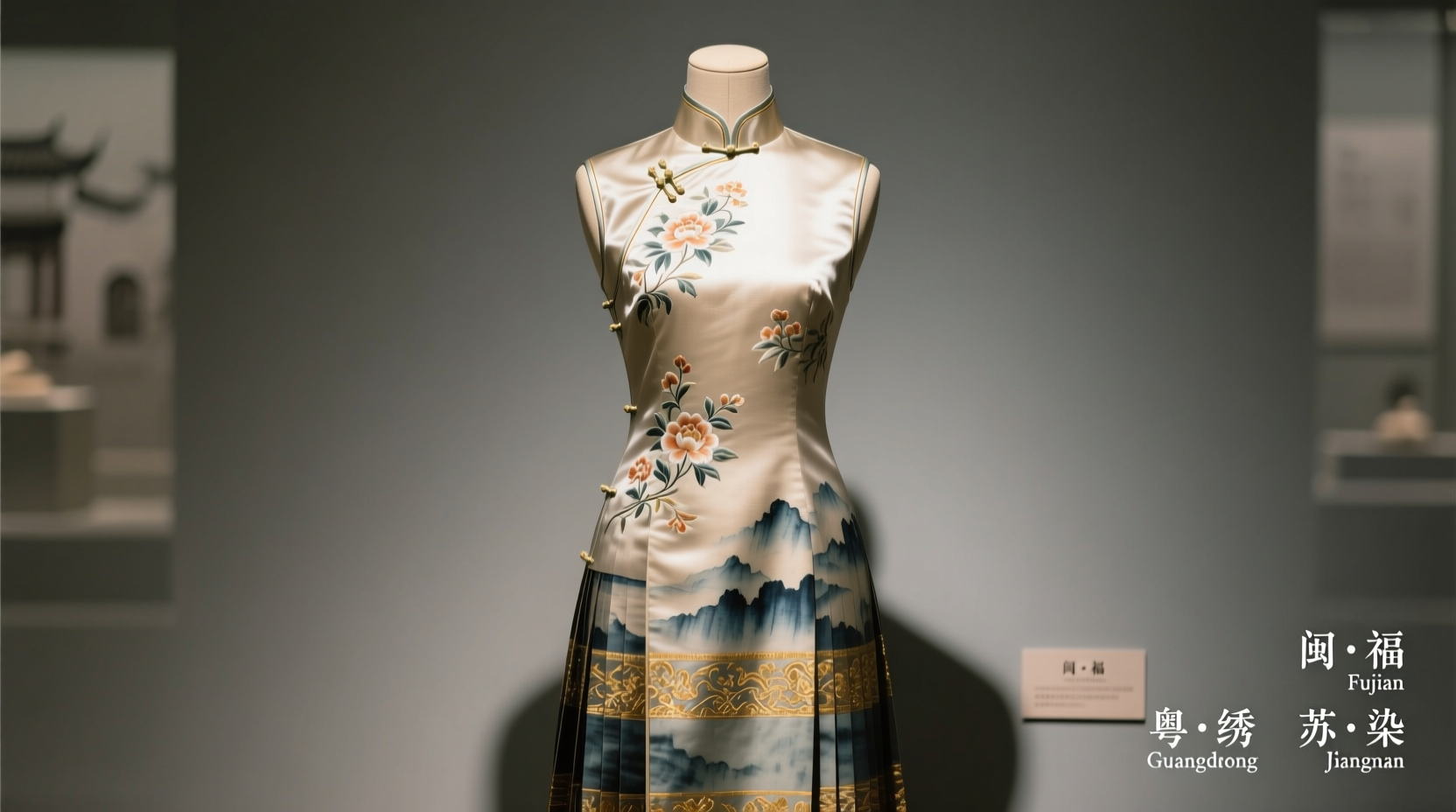
Beyond the One-Piece: The Evolution of the Cheongsam Skirt
When the global fashion world envisions traditional Chinese clothing, the one-piece qipao (cheongsam) immediately comes to mind. However, the cheongsam skirt—whether as the lower half of a formal two-piece set or a modern standalone garment infused with qipao design elements—holds a profoundly rich, yet frequently overlooked, place in Asian sartorial history. To understand the cheongsam skirt is to understand the transition of Chinese womenswear from the Qing dynasty's modest aoqun (jacket and skirt) ensembles to the cosmopolitan silhouettes of the 20th century.
During the Republican era (1912-1949), before the one-piece qipao fully standardized, women frequently wore a two-piece ensemble known as the liangjian qipao. The skirt component was not merely an afterthought; it was a canvas for regional tailoring techniques, intricate textile arts, and subtle expressions of social status. Today, the cheongsam skirt has experienced a massive renaissance within the Xin Zhong Shi (New Chinese Style) movement, worn as a versatile separate piece that bridges historical reverence and contemporary wardrobe practicality.
Regional Tailoring: Shanghai, Beijing, and Lingnan Substyles
Just as the one-piece qipao varies drastically across China, the cheongsam skirt is defined by distinct regional substyles. These variations dictate the garment's drape, slit placement, and structural foundation.
The Haipai (Shanghai) Bias-Cut Skirt
Originating in the cosmopolitan hub of 1920s and 1930s Shanghai, the Haipai cheongsam skirt is heavily influenced by Western tailoring techniques. The defining characteristic of the Shanghai-style skirt is the bias cut. By cutting the fabric on the diagonal grain, tailors created a skirt that clung naturally to the hips and flared elegantly at the hem without the need for darts. The side slits (kaiqi) on a Shanghai cheongsam skirt are notably high, often reaching the upper thigh, designed to reveal silk stockings and allow for a fluid, unrestricted stride. This substyle favors lightweight, drape-heavy fabrics like silk crepe and velvet.
The Jingpai (Beijing) A-Line Silhouette
In contrast, the Jingpai (Beijing style) cheongsam skirt retains more of its Qing dynasty banner robe (qizhuang) heritage. The silhouette is distinctly A-line or columnar, offering a more conservative and structured look. The slits are positioned much lower, typically starting below the knee, prioritizing modesty and warmth for northern climates. Jingpai skirts are heavily reliant on stiff, opulent textiles such as Song brocade and heavy satin, often featuring elaborate embroidery of phoenixes, peonies, or cranes along the hemline.
Lingnan Practicality: Cantonese Hemlines
The Lingnan region, encompassing Guangzhou and Hong Kong, adapted the cheongsam skirt for subtropical climates. Here, the skirts are generally shorter, falling to the mid-calf to promote airflow. The slits are moderate, and the waistbands are often constructed with breathable cotton-linen blends or raw silk. The Lingnan cheongsam skirt prioritizes daily mobility, making it a staple for working women and merchants in the mid-20th century.
Construction Details: Waistbands, Slits, and Pankou
What truly separates a standard pencil skirt from an authentic cheongsam skirt lies in the meticulous construction details, specifically the waistband and the slit finishing.
The Mandarin-Inspired Waistband
Many modern and historical cheongsam skirts feature a stiffened, stand-up waistband that mimics the mandarin collar (mandarin yuanling) of the qipao top. This band is heavily interfaced to maintain its shape and is traditionally fastened not with a zipper, but with a side-closure system using pankou (knotted frog fasteners). The pankou on a skirt waistband often utilizes the Yizi (straight) knot for a minimalist look, or the intricate Meihua (plum blossom) knot for formal occasions.
The Anatomy of the Kaiqi (Slit)
The side slit, or kaiqi, is an engineering marvel in traditional garment making. It is never simply a raw cut in the fabric. In high-quality cheongsam skirts, the slit is finished with a silk facing tape. At the apex of the slit, master tailors sew a hidden gusset or a reinforced bartack (often shaped like a small flower or geometric star) to distribute tension and prevent the fabric from tearing when the wearer sits or walks. According to archives at the Hong Kong Heritage Museum, the reinforcement of the kaiqi was a primary metric used to judge a tailor's mastery in the 1930s.
Material Sourcing: From Xiangyunsha to Song Brocade
The textile chosen for a cheongsam skirt dictates its price, drape, and cultural significance. Sourcing authentic materials is a vital part of acquiring a high-quality garment.
- Xiangyunsha (Gambiered Canton Silk): Known as 'soft gold,' this silk is dyed with the juice of the gambier plant and coated in iron-rich river mud. It yields a rustling, water-resistant fabric with a dark, earthy sheen. A genuine Xiangyunsha cheongsam skirt typically ranges from $300 to $800 USD, reflecting the labor-intensive, sun-dependent dyeing process.
- Song Brocade (Song Jin): Originating from Suzhou, this heavy, intricately woven silk features raised patterns. It is the gold standard for Jingpai winter skirts and formal bridal wear. Expect to pay between $150 and $400 USD for a skirt crafted from authentic Song brocade.
- Acetate and Crepe Blends: For contemporary, everyday wear, high-grade acetate offers a silk-like drape and bias-cut capability at a fraction of the cost, usually pricing between $45 and $120 USD.
Comparative Guide: Cheongsam Skirt vs. Mamianqun
As the New Chinese Style movement grows, buyers often confuse the cheongsam skirt with the Mamianqun (horse-face skirt). Understanding the structural differences is crucial for accurate styling and cultural appreciation.
| Feature | Cheongsam Skirt (Qipao Qun) | Mamianqun (Horse-Face Skirt) |
|---|---|---|
| Silhouette | Slim, bias-cut, or A-line column | Voluminous, wrap-around, heavily pleated |
| Slits (Kaiqi) | Prominent side slits for mobility | Front and back flat panels (no side slits) |
| Closure | Side zipper or Pankou frogs | Waist ties and hidden buttons |
| Historical Peak | 1920s - 1940s (Republican Era) | Ming Dynasty (1368 - 1644) |
| Best Pairing | Fitted silk tops, short Mao jackets | Cross-collared Hanfu tops, modern blouses |
While both are celebrated pillars of Chinese heritage, the cheongsam skirt offers a sleeker, more tailored profile suited for modern professional and evening environments, as noted in textile exhibitions at the Victoria and Albert Museum's Asian Collections.
Modern Fusions: The Xin Zhong Shi Movement
In 2026, the contemporary fashion landscape in Asia is dominated by Xin Zhong Shi (New Chinese Style), a design philosophy that deconstructs traditional garments for daily urban wear. The modern cheongsam skirt often features hybrid elements: a tailored pencil silhouette with a subtle front slit instead of a side slit, or a wrap skirt secured by oversized, decorative pankou knots made of jade or carved wood rather than fabric.
Designers are also experimenting with asymmetrical hemlines, drawing inspiration from the overlapping panels of the Han dynasty shenyi, but executing them in the sleek, unfussy fabrics of the Shanghai cheongsam tradition. This fusion allows the garment to transcend costume and become a staple of high-end, culturally grounded streetwear.
Styling the Two-Piece Qipao for Contemporary Wear
Styling a cheongsam skirt requires balancing its inherent formality with modern proportions. Here are actionable frameworks for wearing this garment today:
- The Evening Ensemble: Pair a floor-length, high-slit Xiangyunsha cheongsam skirt with a fitted, sleeveless silk camisole or a cropped velvet jacket. Keep jewelry minimal; let the rustle and sheen of the mud-dyed silk command attention.
- The Office-Appropriate Look: Opt for a mid-calf, A-line Jingpai skirt in a muted brocade or heavy crepe. Tuck in a crisp, mandarin-collar white blouse. The structure of the skirt provides a professional silhouette while honoring cultural heritage.
- The Casual Fusion: For weekend wear, style a shorter, cotton-blend cheongsam skirt with a fine-gauge merino wool turtleneck and leather ankle boots. This bridges the gap between 1930s Shanghai glamour and contemporary minimalist aesthetics.
Whether sourced from a bespoke tailor in Shanghai's Changle Road district or a modern heritage brand, the cheongsam skirt remains a testament to the adaptability and enduring elegance of Asian traditional garments. By understanding its regional nuances and construction mastery, wearers can appreciate the skirt not just as a piece of clothing, but as a living artifact of cultural evolution.